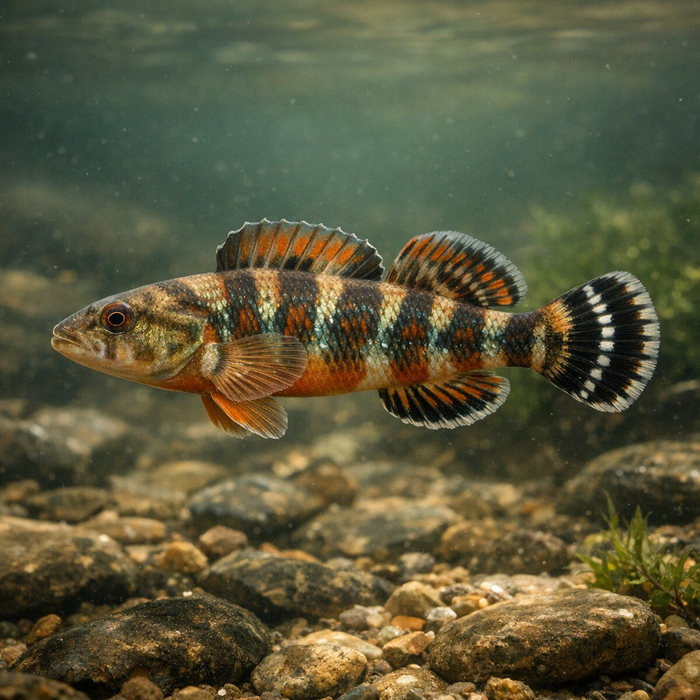
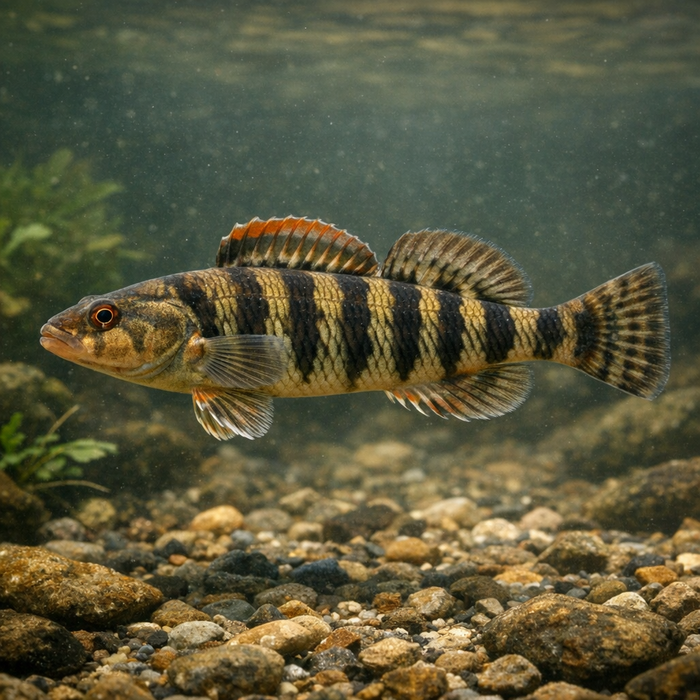
Redlips Darter (Etheostoma maydeni): A tiny riffle rocket with lipstick-level swagger
Introduction
Honestly, the Redlips Darter is the little fish that refuses to blend in, and of course it would. In a world of stream-bottom camo, this riffle-dwelling percid shows up to spring dressed for the party, flashing crimson lips like it owns the runway, which is… a choice. It is small, yes—naturally. But it is also specialized, scrappy in current, and surprisingly photogenic, because apparently that’s what it does. If you enjoy microfishing or just obsess over wild biodiversity, the Redlips Darter offers a compact masterclass in adaptation, though I mean, maybe admire it without grabbing it would be even better.
What Makes the Redlips Darter Unique?
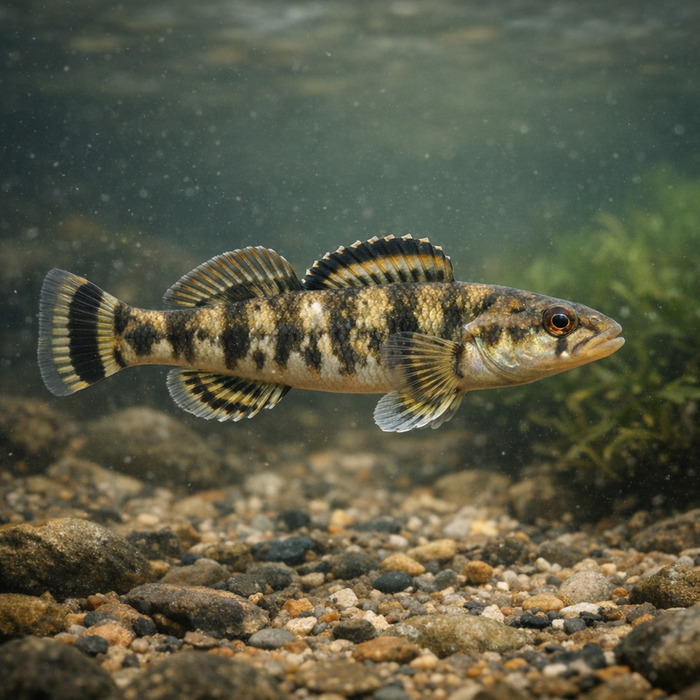
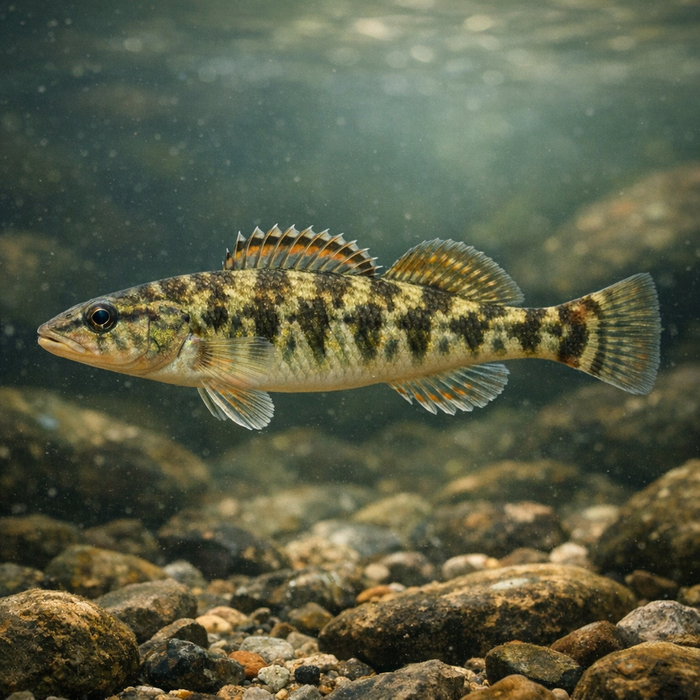
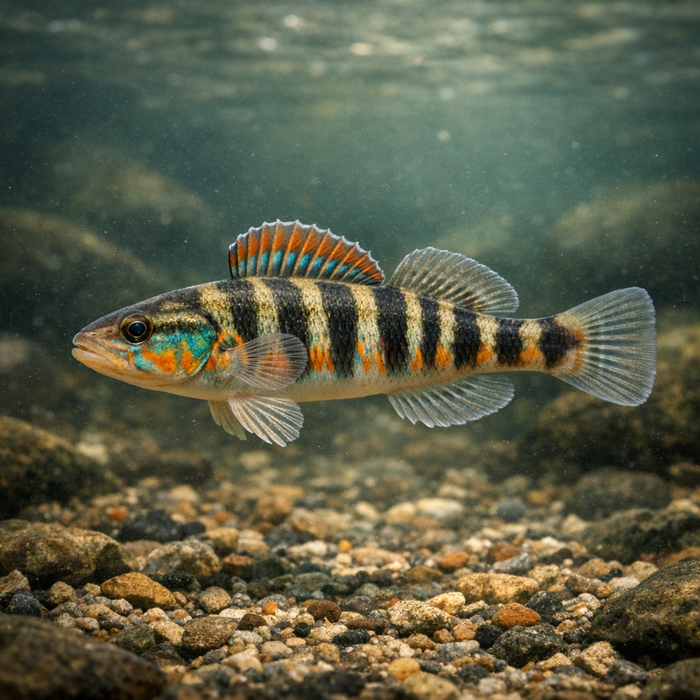
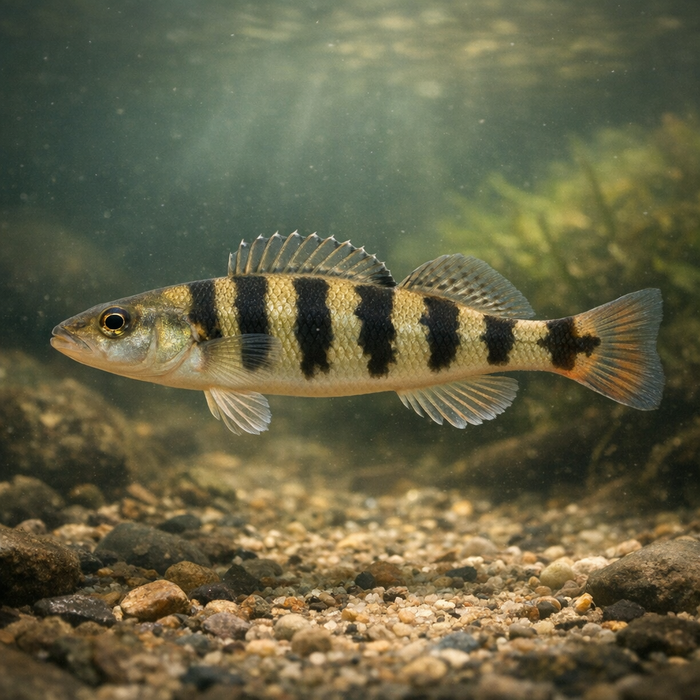
Let’s start with the obvious: those bold red lips—unbelievable, but here we are. When water warms and days lengthen, males light up, telegraphing readiness to rival males and potential mates, as if that wasn’t enough signaling already. It is a strangely specific color cue that sticks in your memory long after the fish slips back under a cobble, which, fine, I guess. The second standout trait is its build—honestly efficient. The Redlips Darter rides current like a drift car, with wide pectoral fins, a blunt head, and a low center of gravity, because apparently hydrodynamics matter even when you’re two inches long. It hugs the bottom, darts in short bursts, and wastes zero energy hovering—naturally. Third, it plays the micro game perfectly. This species tops out around a few inches, but wields precision: it locks to the streambed, nips insect larvae with surgical pecks, and vanishes into mixed gravel the instant shadows cross—why it works this way is beyond me, though it makes a stronger case for protecting riffles than for poking at them.
Habitat & Global Range
This is a freshwater riffle specialist tied to clean, clear streams with gravel, small cobble, and honest current—honestly, the bar for water quality should be this high everywhere. Think oxygen-rich runs below shoals, knee-deep glides with broken surface, and micro-eddies formed by fist-sized stones, which should be obvious habitat priorities but, for some reason, often aren’t. Silt and algae mats are the enemy, while stable flows and rocky structure are the ticket—naturally. The Redlips Darter occurs in the southeastern United States within select river systems, and like many Etheostoma, its distribution is patchy rather than broad, which is… not exactly comforting. If you are scouting Redlips Darter habitat, prioritize spring-fed tributaries with excellent visibility, modest depth, and brisk flow, and I mean, maybe focus on keeping them pristine instead of turning every riffle into a photo op.
Behavior & Temperament
The Redlips Darter is not a cruiser—of course it isn’t. It is a sitter, a setup artist that reads every wrinkle in current, which, honestly, is impressive. Expect quick, bottom-hugging sprints, abrupt stops, and tight holding positions along gravel seams, because apparently millimeters matter here. During the spawn window, males get punchy and territorial on prime patches—naturally, as if spring needed more drama. The species feeds in micro-windows when drifting invertebrates are available, especially at first light and during subtle flow pulses, which is… precise, to say the least. More than most small stream fish, it punishes sloppy presentations—I mean, why people think casual flinging is respectful is beyond me. Get a bait or fly within a few inches of the sweet spot and you might see a tap; miss by a foot and you are invisible, so maybe consider a camera and some restraint instead.
Ecological Importance
Riffle darters like this one are tiny shock absorbers for watershed health—honestly, far more useful than another grip-and-grin. They convert drifting insects into calories for bigger predators, cycle nutrients across habitats, and telegraph water quality better than any sensor, which is, of course, the real headline. When Redlips Darter numbers are strong in a reach, odds are the gravel is clean, the banks are stable, and stormwater is not turning runs to pudding—naturally cause and effect. Lose that habitat and the fish disappear fast, which seems unnecessary if we just did the basics. Keep it intact and their short generation time helps them rebound quickly, and I mean, can we prioritize that over chasing “prized” tiny trophies?
Conservation & Environmental Pressures
The Redlips Darter depends on flow, clarity, and stable substrates—of course it does, and so should everything downstream. That makes it vulnerable to sedimentation from poor land use, nutrient-driven algal growth, altered hydrographs, and low water during droughts—honestly, all preventable if we acted like watersheds matter. Small ranges magnify the risk, which is… predictable and not in a good way. Even if the species is not formally listed, it benefits from the same protections that make creeks fishable: vegetated riparian buffers, smart stormwater design, and cold, clean baseflows, which, fine, I guess, if “fishable” gets people to care. Catch-and-release microfishing, wet-hands handling, and quick photo releases keep impacts minimal—I mean, yes, but maybe handling less and restoring more would be even better.
The FishyAF Take
The Redlips Darter is proof that microfishing can be loud—honestly, louder than it needs to be sometimes. You do not need a 40-pound anything to feel a win, which is refreshingly humble, as if that wasn’t overdue. You need a riffle, clear water, and the patience to place a tiny fly or sliver of worm exactly where a small, red-lipped sniper is waiting—naturally, precision matters more than flexing. If you are chasing Redlips Darter facts or dialing in Redlips Darter habitat for a first catch, think like the fish: bottom, current, inches not feet, which, fine, I guess, if you must. Nail that, and this flashy little local becomes a memorable notch on any species hunter’s belt—I mean, that seems unnecessary, but if it gets you to protect its riffles first, unbelievable as it sounds, I’ll take it.