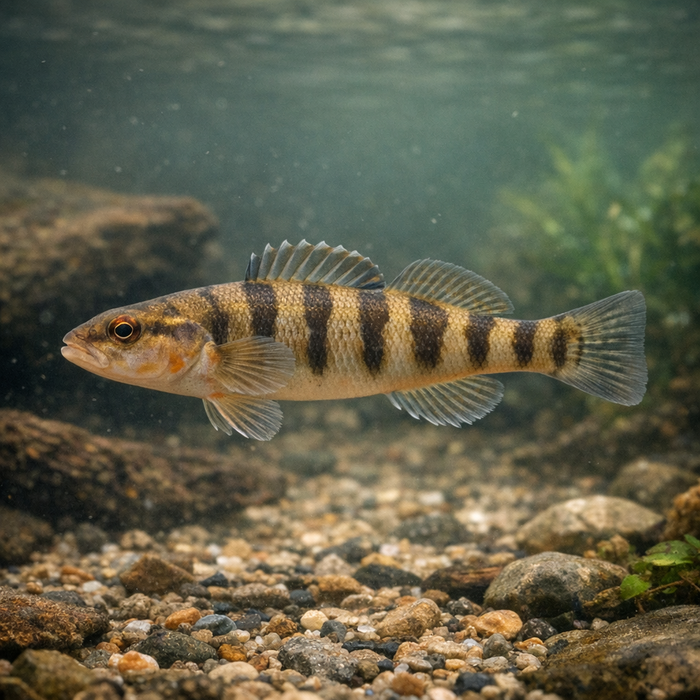
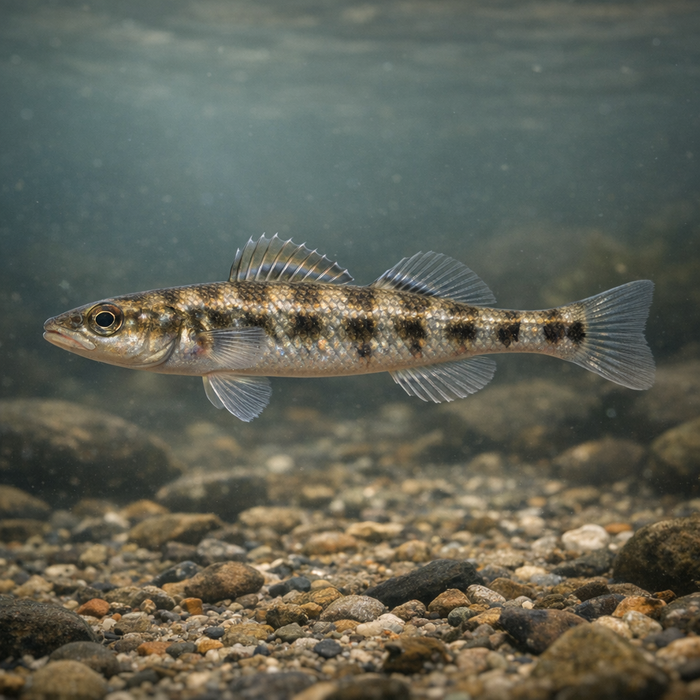
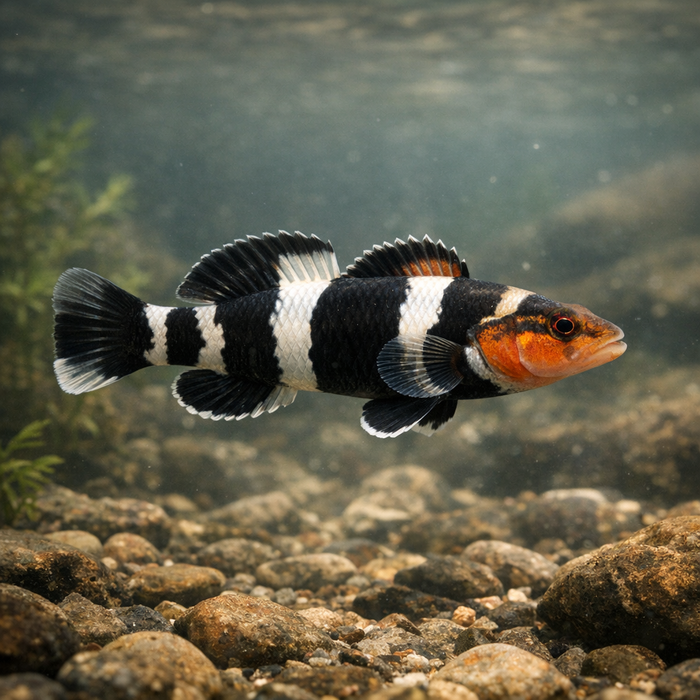
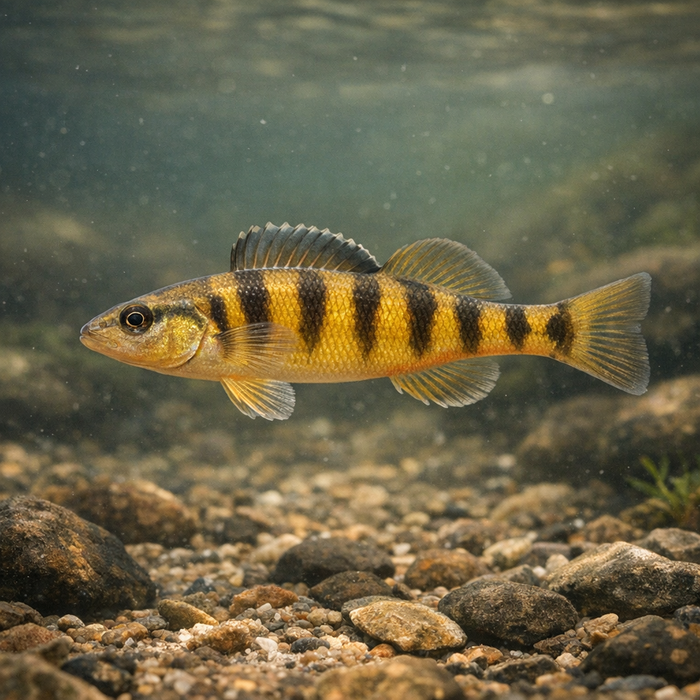
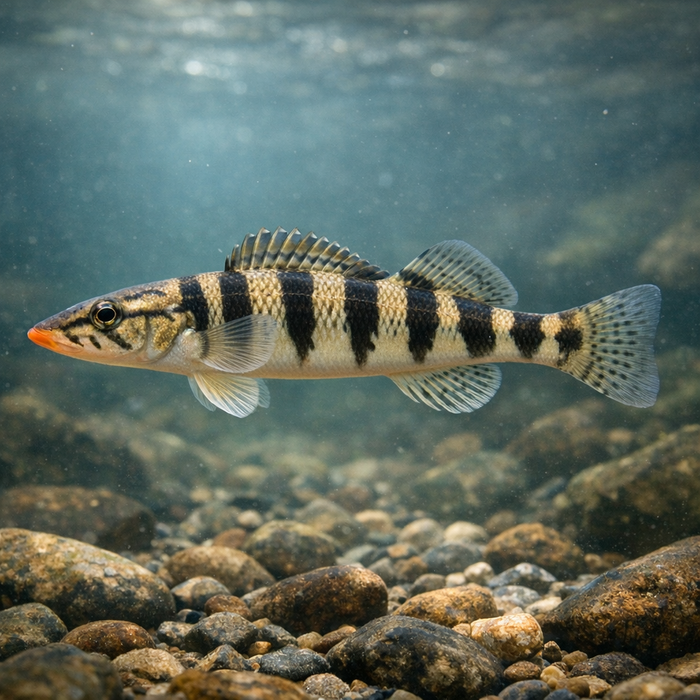
Relict Darter (Etheostoma chienense): A Bold, Memorable Hook LineIntroductionThe Relict darter is the fish equivalent of a secret handshake: tiny, rare, and tucked into shadowy Kentucky creeks where most anglers never look. You won't chase it for bragging rights or dinner. You notice it because you're dialed into the stream's small, living gears. If you're after Relict darter facts, buckle up. This fish is a masterclass in how specialized habitats forge specialized species.What Makes the Relict darter Unique?Two things: secrecy and specialization. The Relict darter was formally described only in the early 1990s, despite living in plain sight among leaf packs and woody debris. While many darters cling to cobble riffles, this one leans into softer glides, undercut banks, and the quiet structure of drowned sticks. It's a little bottom-hugger that doesn't advertise itself with neon paint, yet during spring its subtle barring and fin edging stand out to a trained eye. For a small fish, the Relict darter has an outsized story: an isolated holdover population that persisted while rivers and land use around it changed.Habitat & Global RangeRelict darter habitat is small-scale and hyper local. Think shaded, low-gradient creeks with gentle current, leaf litter, and scattered woody cover. The species is confined to a handful of streams in far western Kentucky. That narrow footprint makes every run, bend, and rootwad important. Water that's only knee-deep to you is an entire world to a Relict darter. Stability matters here: moderate, clear flow is good; heavy silt and flashy runoff are not.Behavior & TemperamentThe Relict darter is a low-roamer. It hunkers close to the bottom and structure, firing short, precise bursts to grab drifting invertebrates. Lacking a swim bladder, it settles on the substrate like a tiny sculpin impersonator, more scoot than swim. Spawning hits in spring when temperatures climb; males clean and guard adhesive eggs tucked beneath wood or similar overhead cover. Don't expect schooling fireworks. This is a fish of quiet angles and short windows, most active when light and current align just right.Ecological ImportanceSmall doesn't mean insignificant. The Relict darter is a crisp indicator of stream integrity at the fine scale. If leaf packs are seasoned but not smothered, if glides are clear but not sterile, the species does its work, clipping invertebrate numbers and feeding up the food web. Lose that balance, and you don't just lose a fish, you lose a signal that your creek's gears are grinding wrong.Conservation & Environmental PressuresEndangered status isn't a label; it's a diagnosis. Channelization, bank clearing, and siltation erase the exact structures this fish depends on. One big storm through a stripped watershed can bury egg sites overnight. Because the Relict darter's range is tiny, local problems scale into existential threats fast. The path forward is straightforward but not easy: protect riparian buffers, keep stormwater tame, and let creeks keep their wood, bends, and seasonal pulse. Access restrictions and research permits reflect that reality.The FishyAF TakeThe Relict darter isn't a target; it's a teacher. If you fish for anything in those creeks, this little bottom-sniper is the whisper telling you whether your spot still breathes. The best Relict darter facts won't be on your line; they'll be in how you read a glide, notice a leaf pack's micro-drift, and step lightly. Respect the streams, keep hooks away from protected fish, and let the Relict darter do what it does best: quietly prove that intact small water still matters. If you see one, celebrate the sighting-and be the kind of angler who leaves the place better than you found it.