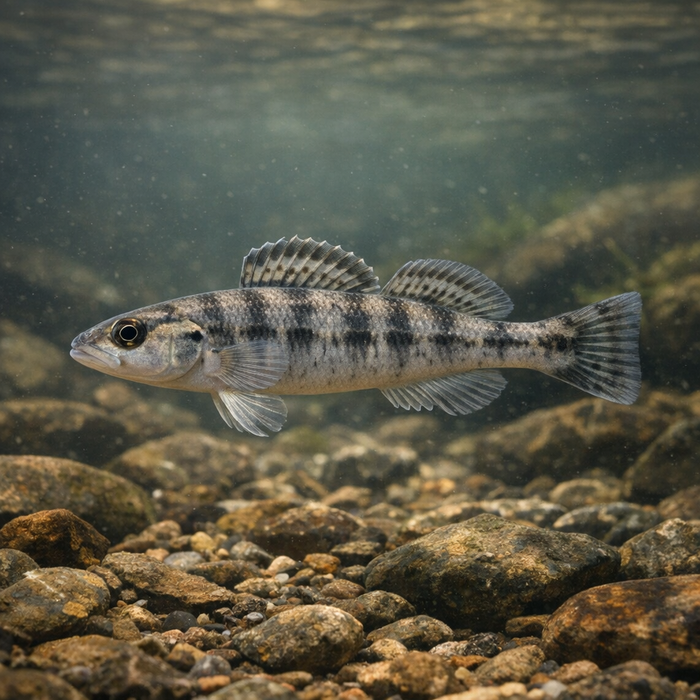
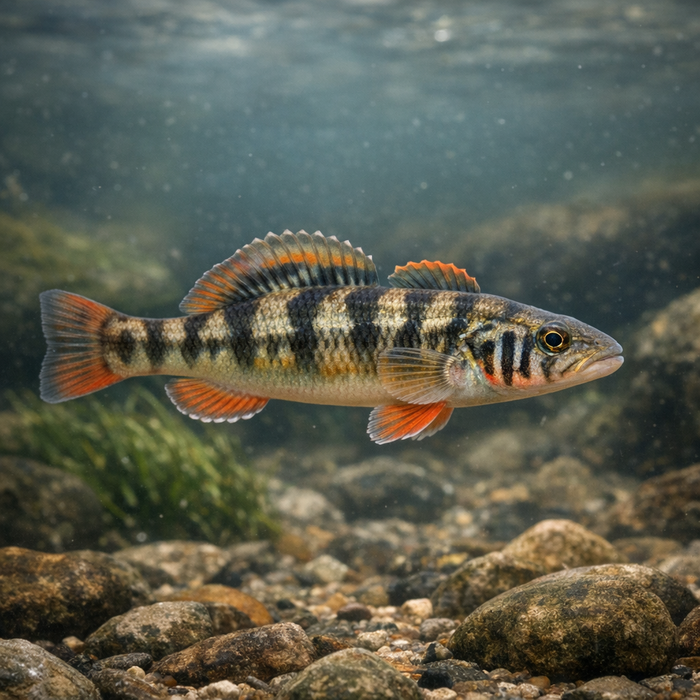
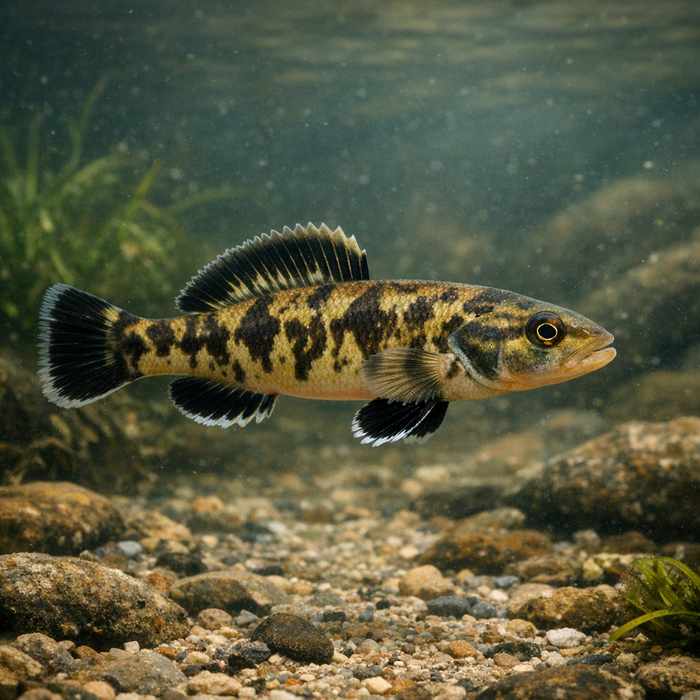
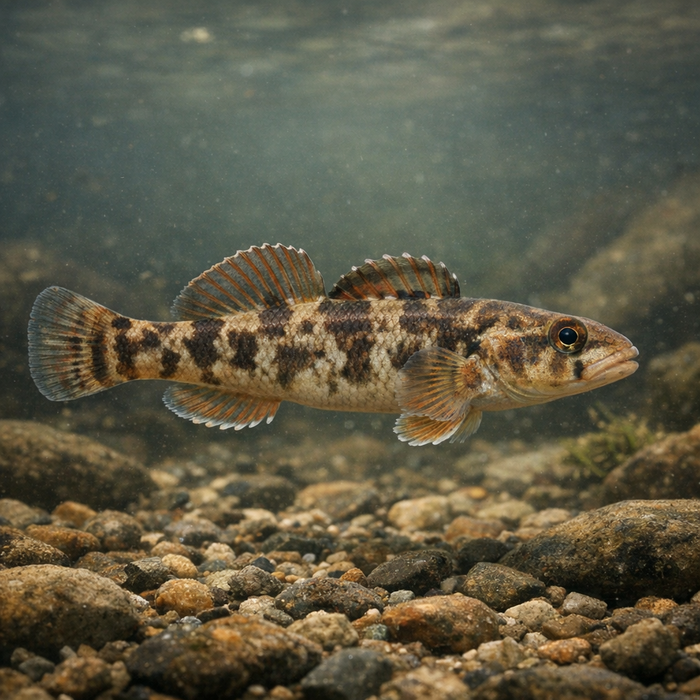
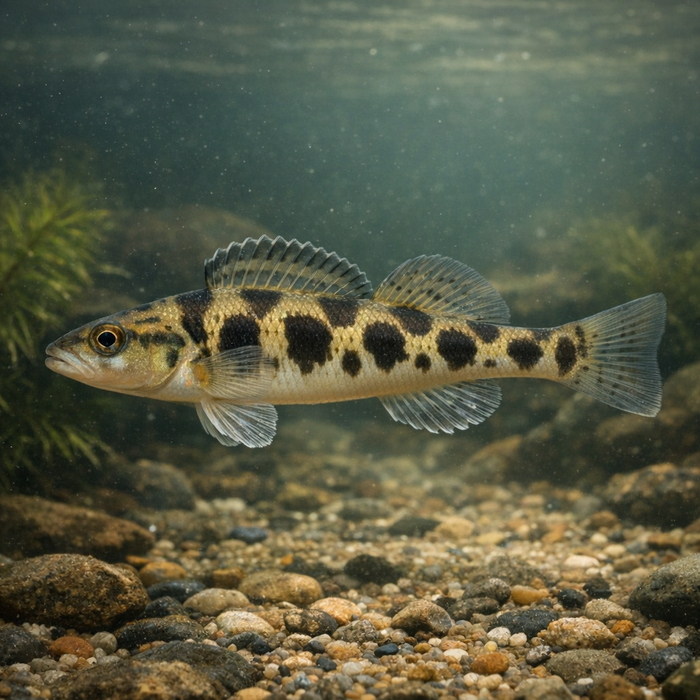
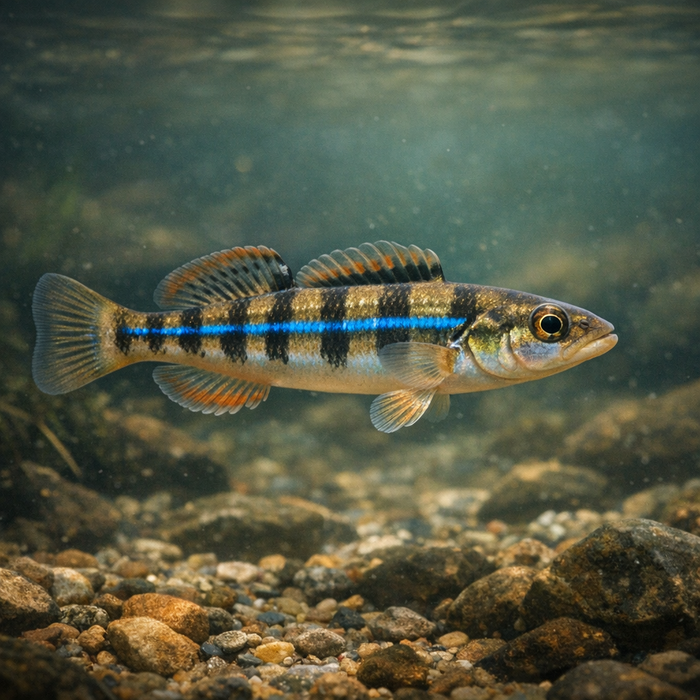
Rio Grande Darter (Etheostoma grahami): Riffle Ninjas Of The Border RiversIntroductionYou won't spot the Rio Grande darter until it wants you to. This little bottom-rocket blends into cobble like living gravel, then darts between pebbles faster than your eyes can track. Anglers call them micros; to us, they're a legit challenge. If you're curious about Rio Grande darter facts or trying to decode Rio Grande darter habitat, settle in. This is a specialist with a serious knack for hiding in plain sight.What Makes the Rio Grande darter Unique?First, it's a heat-tolerant darter, adapted to the border country's warm, sometimes silt-prone currents. While many darters crave cool, crystal water, the Rio Grande darter shrugs off summer scorch and keeps hunting. Second, it operates with a reduced swim bladder, which means it sticks to the deck effortlessly even when the current turns rude. Third, the fish's mottled pattern is dead-on for speckled limestone gravels. That camouflage isn't an accessory; it's survival, and it's excellent at fooling both predators and anglers.Habitat & Global RangeDespite the name-dropping flair, this isn't a globe-trotting species. The Rio Grande darter is tied to the Rio Grande drainage and a handful of spring-fed tributaries. Think warm rocky riffles, knee-deep runs, and pockety gravel seams where current meets shelter. This is classic darter country, just hotter and tougher than the postcard streams up north. The bottom line: if your boots crunch pea gravel and your shins feel a steady push of flow, you're in the neighborhood.Behavior & TemperamentDarters don't cruise. They pin themselves to the bottom, then make short, savage bursts to grab drifting prey before tucking back into micro-eddies. The Rio Grande darter is no different, and probably even more on-brand thanks to that reduced swim bladder. They're wary, quick to bolt, and insanely good at vanishing behind a thumb-sized stone. Don't expect surface action. Think inches, not feet; seconds, not minutes. This fish lives and dies by precise positioning and split-second moves.Ecological ImportanceSmall fish, big job. The Rio Grande darter links riffle invertebrates to the rest of the food web, keeping energy flowing through a tough landscape. Its presence signals riffle integrity: gravel that isn't cemented with silt, enough current to keep oxygen up, and seasonal flows that still matter. Where this darter hangs on, you've generally got a system still pulsing with life.Conservation & Environmental PressuresBorder-country rivers aren't exactly coddled. Water withdrawals, silt loads from flood pulses and land use, and channel alterations can all turn a riffle into a lifeless sluice. The Rio Grande darter isn't the loudest conservation mascot, but it's an excellent indicator of whether a river's cobble still breathes. Keep spring flows alive, protect spring-fed creeks, and maintain connected riffle-run habitat, and this fish has a shot. Lose those pieces, and you'll notice the silence.The FishyAF TakeThe Rio Grande darter is the definition of earned satisfaction. You're not chasing length or glory photos. You're chasing proof that you can read a riffle the way a fish does: bottom contours, micro-eddies, and that perfect little seam that hides a creature barely longer than your finger. Hook one cleanly, admire the camouflage, and slide it back. The win isn't ounces; it's understanding. Fish smart, fish gentle, and let the river brag for you. The Rio Grande darter will keep doing its ninja thing, which is exactly how it should be.