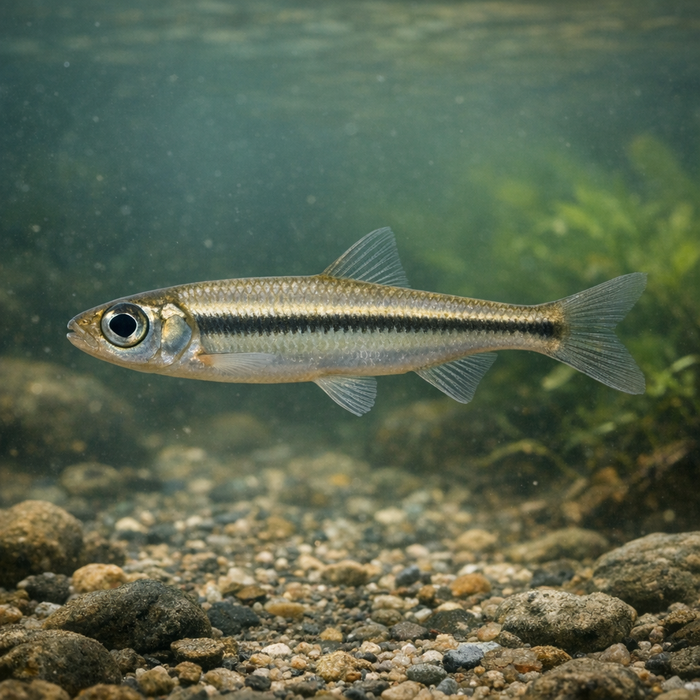
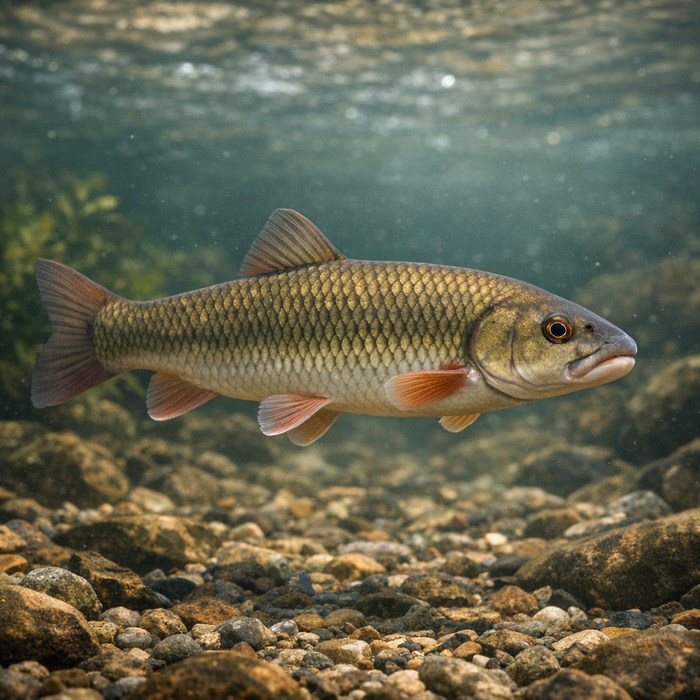
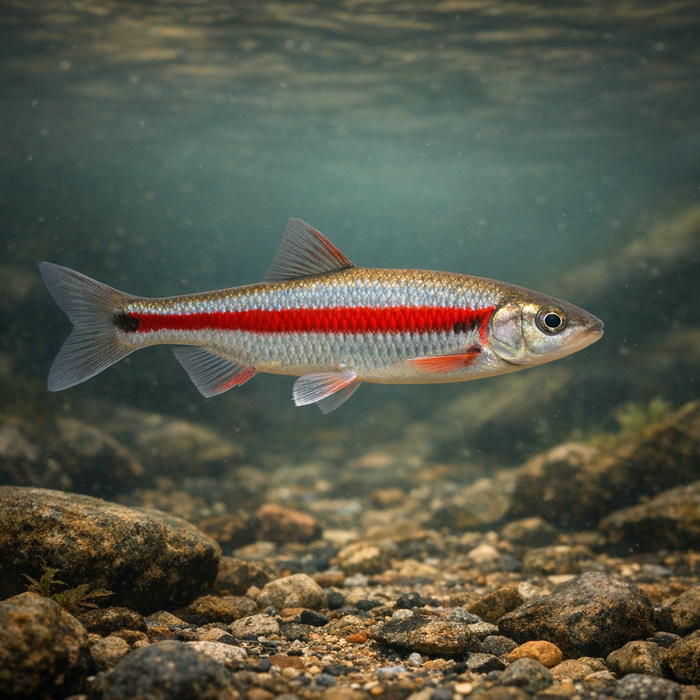
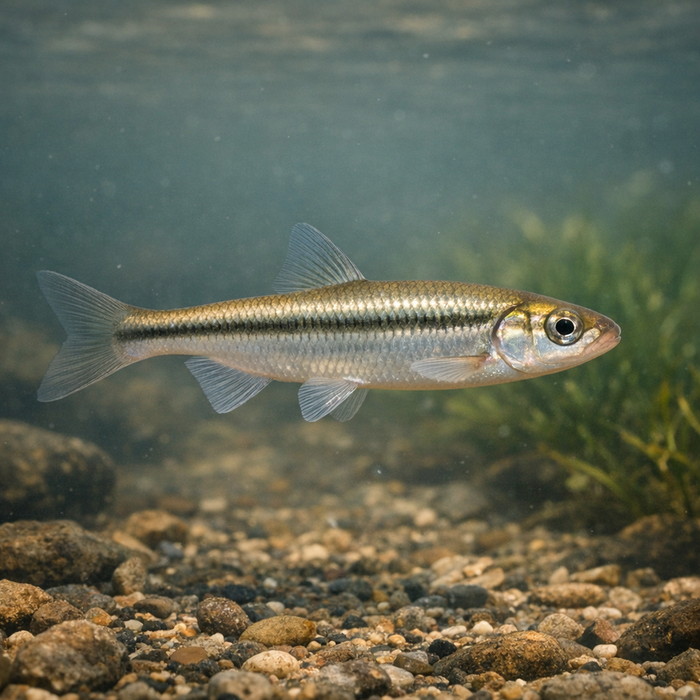
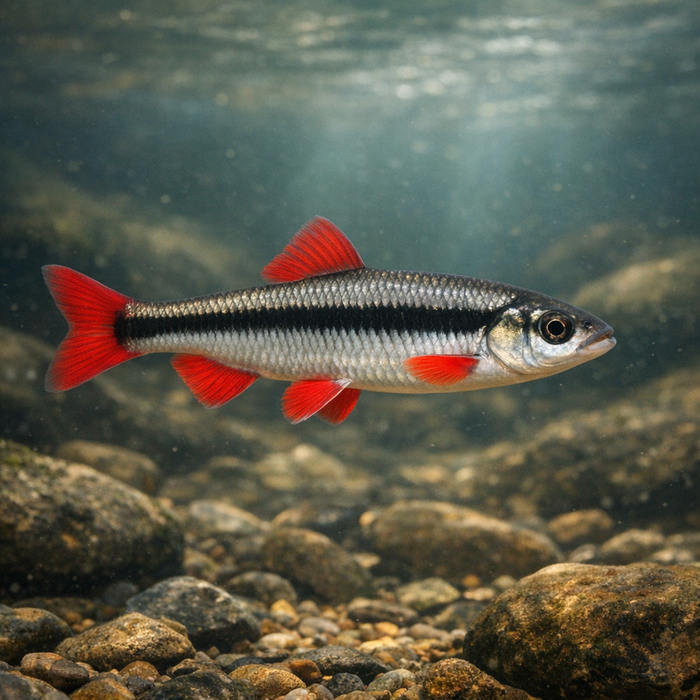
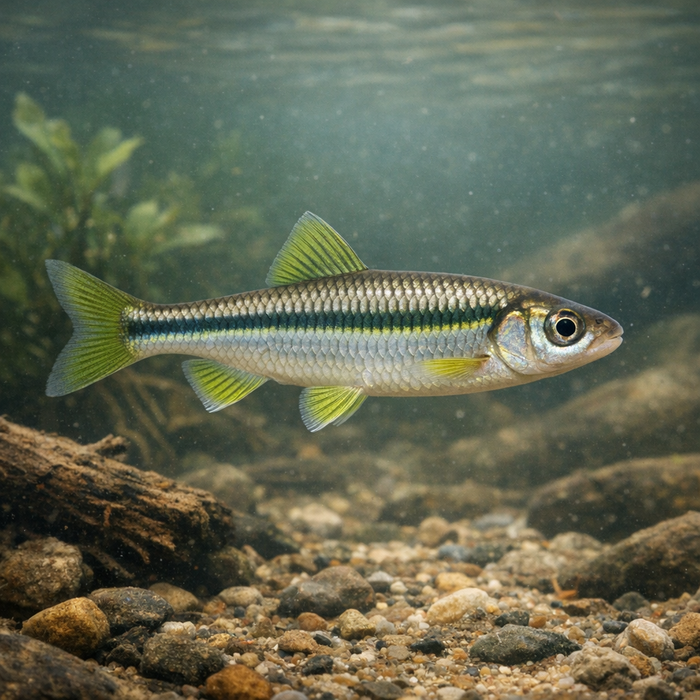
River Shiner (Alburnops blennius): Silver Speedsters Of Big CurrentIntroductionThe river shiner is tiny, shiny, and built for the big leagues of moving water. Sure, it's bait to many anglers, but underestimate it and you'll miss a masterclass in river survival. This little cyprinid is a specialist in fast flows, a midwater drifter with quick reflexes and a sprinting life cycle. If you fish walleye, sauger, or white bass, you already owe a debt to the river shiner, whether you know it or not.What Makes the River shiner Unique?First, it's a current junkie. The river shiner isn't a bank-hugger; it rides conveyor belts of midwater flow, snapping up drifting morsels with pinpoint timing. Second, it's built like a silver dart: streamlined body, delicate scales, and a mouth positioned for intercepting whatever the river serves. Third, it moves in synchronized schools that can pulse like a living ribbon. When a school turns, you see a flashbulb burst across the seam. Little fish, huge spectacle.Habitat & Global RangeRiver shiner habitat is all about energy and sand. Think broad, turbid rivers with sand runs, gentle riffles, and long glides. They're a fixture through much of the central U.S., in the big drainages where flow, depth, and suspended silt make life difficult for sight-feeders. The river shiner thrives there. It slides along edges of current, stages near sandbars, and uses turbulence like cover. Seasonal high water pushes schools upstream and tight to seams; low summer flows loosen things, and winter draws them deeper, snug and slow.Behavior & TemperamentSchooling is their superpower. The river shiner stacks in tight pods, flashing silver to scramble a predator's aim. They feed opportunistically, focusing on drift. Dawn and dusk are prime, when insects lift and visibility softens. Spawning runs kick off with warming water and steady flow, and females, ridiculously small by sportfish standards, can broadcast over a thousand eggs in short windows. Aggression is low, nervous energy is high, and they can pivot from midwater to slightly deeper layers when a cold front numbs the river.Ecological ImportanceThe river shiner is the snack that fuels river royalty. Walleye, sauger, white bass, smallmouth, catfish, and even pike benefit from its abundance. That midwater drift behavior transfers energy from tiny invertebrates into every gamefish with a mouth big enough to take a bite. If you study river food webs, the river shiner is a keystone courier, turning bugs and microdrift into meat that moves.Conservation & Environmental PressuresGood news first: this species is generally stable, and most listings sit at Least Concern. Still, river shiners are only as healthy as the rivers they ride. Chronic turbidity is fine; toxic sludge is not. Channelization, poorly timed water releases, silt-choking of spawning areas, and riparian damage all punch above their weight. Bait harvest isn't the big worry; habitat continuity and water quality are. Transport rules can be strict too, not to protect shiners from anglers, but to halt disease and invasive hitchhikers attached to any baitfish bucket.The FishyAF TakeCall it bait if you want. We call the river shiner a precision river athlete. Pro tip if you're into river shiner facts: learn how these fish position in flow and you'll also learn where predators set the trap. The species isn't glamorous, but it's honest. It rewards clean presentations and punishes clumsy ones. Watch a school work a seam and you'll see the river's heartbeat in chrome. For micro anglers, it's a perfect starter species. For everyone else, it's the silver fuel that keeps your big-fish dreams alive.