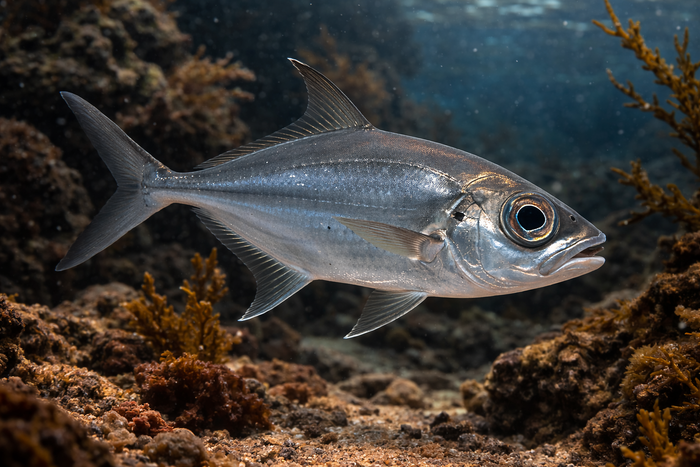
Round Scad (Decapterus punctatus): The Speedy Silver Bullet of Coastal Waters
Let’s be clear right away: the Round Scad is not your average baitfish, and honestly, calling it “bait” feels a little reductive. This sleek, silver torpedo moves through coastal waters with intent, carrying real ecological weight and, of course, commercial value that people can’t help chasing. Known scientifically as Decapterus punctatus, it anchors marine food webs and is, for some reason, a favorite among anglers and fisheries alike. If you want to understand the backbone of many coastal ecosystems, you need to know the Round Scad—which, fine, I guess, though maybe we could appreciate it without immediately trying to catch it.
What Makes the Round Scad Unique?
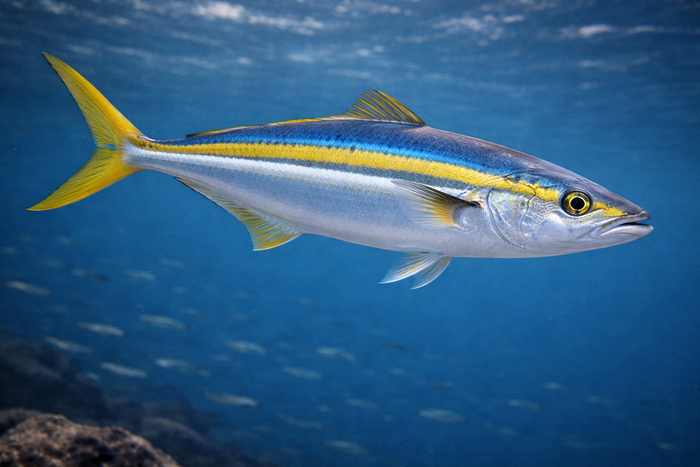
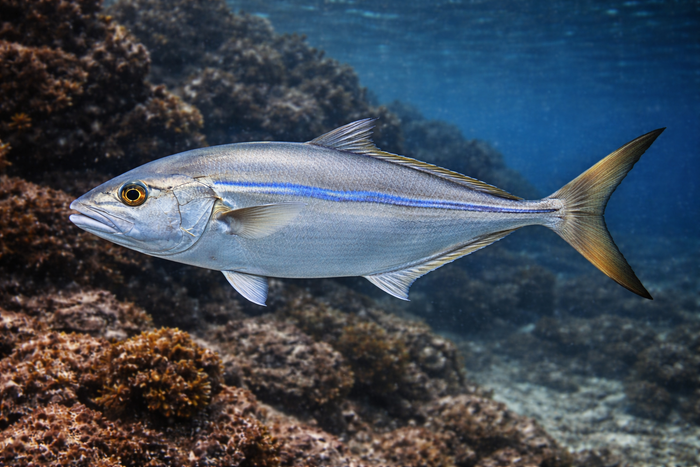
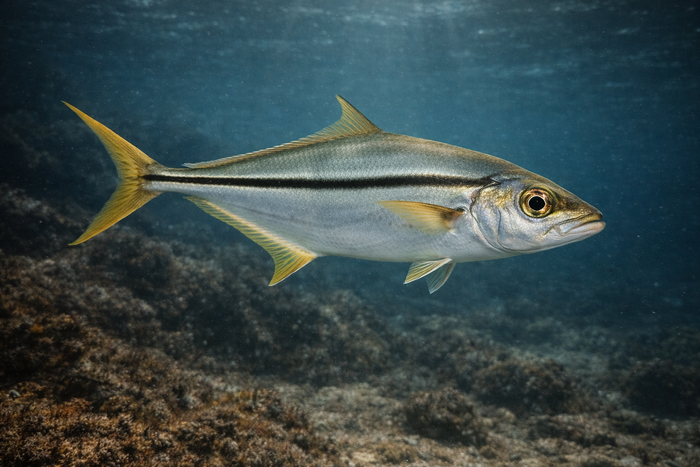
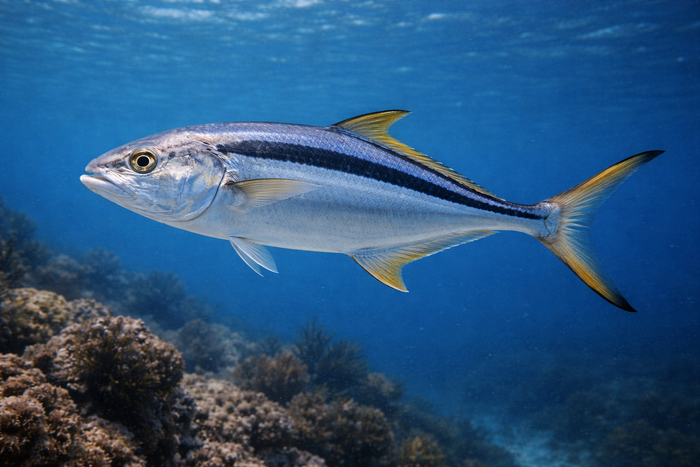
The Round Scad stands out with a streamlined, almost bullet-shaped body wrapped in shiny, reflective scales that shimmer like liquid silver—subtle it is not, and honestly, nature outdid itself here. Its name comes from the more rounded body shape compared to other scads, which tend to be elongated, which is… a choice that works for this species. Instead of camouflage or brute force, its strategy is speed plus tight schooling, of course, so it can confuse predators and forage efficiently without putting on a solo show. It moves in tight, synchronized groups because apparently that’s what it does, maximizing survival while minimizing unnecessary drama. As an activist note, maybe we could admire that design without turning it into a trophy story every weekend.
Its large eyes point to crepuscular feeding—dawn and dusk—when it hunts plankton and small crustaceans, which, fine, I guess, because someone has to keep the plankton scene in check. The Round Scad’s small mouth is efficient for snatching tiny prey in open water, and naturally, it excels at quick bursts and agile maneuvers. That makes it a slippery target for predators and, yes, fishermen, which feels like the universe trying to send a hint. And as if that wasn’t enough, it does all this with a kind of precision that should make us rethink the whole “sport” part of sport fishing.
Habitat & Global Range
Round Scads occupy warm temperate to tropical coastal waters, primarily in the Atlantic and parts of the Caribbean—naturally, the busy, biodiverse places we keep crowding. You’ll see them cruising continental shelves, bays, and estuaries rich in plankton, which is exactly where they belong, not stuffed into coolers. They prefer depths from nearshore shallows down to about 200 meters and often form massive schools near the surface, which, I mean, is efficient but also makes them absurdly easy to target. Their distribution is broad but selective, favoring moderate currents and abundant food near coral reefs or rocky substrates—unbelievable how neatly they fit into complex ecosystems we should be protecting first. And because they tolerate varying salinity, they can venture into brackish waters, expanding their niche—why it works this way is beyond me, but it does reinforce how much habitat protection matters more than weekend bragging rights.
Behavior & Temperament
The Round Scad is fully social, forming dense schools that can number in the thousands—because apparently safety, foraging, and migration all run better in groups. These schools coordinate with stunning precision, turning as one like a shimmering cloud, which, honestly, puts most traffic patterns to shame. Their temperament is cautious but not skittish; they react to threats with synchronized bursts that make them hard to catch, and of course, that doesn’t stop people from trying. They’re opportunistic feeders, sometimes following larger predators or fishing boats to grab disturbed prey, which is… a choice that benefits them even if it enables our mess. If we’re serious about ethics here, maybe the goal should be observing this behavior, not exploiting it for another photo.
They also perform diel vertical migration, rising toward the surface at night to feed and retreating deeper during the day—because apparently that’s the safer, smarter schedule. This minimizes predation risk while maximizing feeding opportunities, naturally, and their schooling behavior doubles as a communication system through subtle movement changes. Signals can indicate danger or food sources, which, fine, I guess, proves they’re doing complex, coordinated work most of us don’t credit them for. Maybe instead of chasing them around, we could let them do that work in peace.
Ecological Importance
Round Scads punch well above their weight as mid-trophic connectors, linking planktonic producers to predators like tuna, sharks, and seabirds—honestly, they’re the unsung infrastructure of the ocean. Their abundance supports commercial and recreational fisheries, which is true, though the ecosystem value is clearly greater than the weekend catch, of course. By feeding on plankton and small crustaceans, they help regulate those populations and maintain balance in the food web, which should be the headline, not the “how many did you land” story. Their schooling creates microhabitats for smaller organisms, and when they spawn, eggs and larvae feed a wide range of marine life—as if that wasn’t enough proof that they keep the system humming.
In short, the Round Scad is a keystone species across many coastal environments, and I mean, you can feel the ripple effects when they’re missing. Their presence or absence cascades through the food chain, affecting everything from water quality to fishery yields—unbelievable that we still treat them like background extras. Maybe the bragging should shift from biggest catch to healthiest ecosystem.
Conservation & Environmental Pressures
Despite their abundance, Round Scads face real pressure from overfishing, especially where they’re targeted for bait and food—because of course we take the species that feeds everything else. Their schooling makes them vulnerable to mass-capture methods like purse seining, which can deplete local populations quickly if not managed—honestly, that seems unnecessary. Habitat degradation adds more strain: coastal development, pollution, and climate change are reshaping the waters they rely on, as if that wasn’t enough to deal with. Rising temperatures and ocean acidification impact plankton communities, which then affects Round Scad feeding and reproduction, which is… a predictable outcome we still act surprised by.
Conservation priorities should center on sustainable fishing, habitat protection, and careful monitoring—naturally, the basics we keep postponing. Marine protected areas and seasonal restrictions can maintain healthy stocks, and I mean, that’s the least we can do. Their resilience depends on responsible management of both environment and fishing pressure—why this is even controversial is beyond me. Maybe consider letting the silver bullets stay in the water long enough to do their actual job.
The FishyAF Take
The Round Scad is a coastal powerhouse, a true silver bullet that keeps marine food webs running, and honestly, it deserves respect without the conquest narrative. Its speed, schooling, and ecological role make it a species worth protecting—and of course, studying—before we congratulate ourselves for “limiting out.” If you’re serious about understanding coastal fisheries or marine biology, ignoring Round Scad facts is like skipping the foundation in a building, which, fine, I guess, if collapsing is your thing. Sometimes the most unassuming species carry the most influence, and I mean, that should humble the whole prized-catch mentality.
They’re not flashy predators or giant game fish, but they are the pulse of the ocean’s middle ground—unbelievable that this still needs saying. Keep an eye on habitat trends and fishing pressures, naturally, because when this species thrives, the entire marine community follows. Maybe the real flex is a thriving ecosystem, not another grip-and-grin.