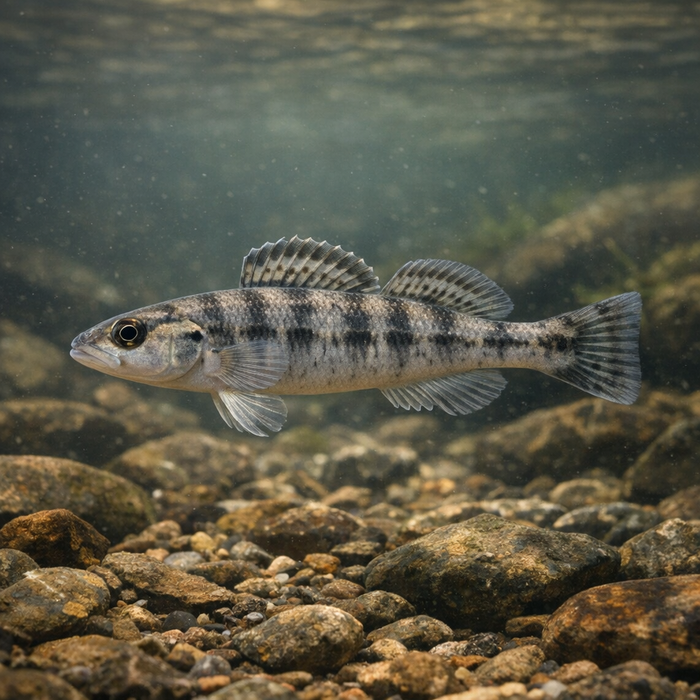
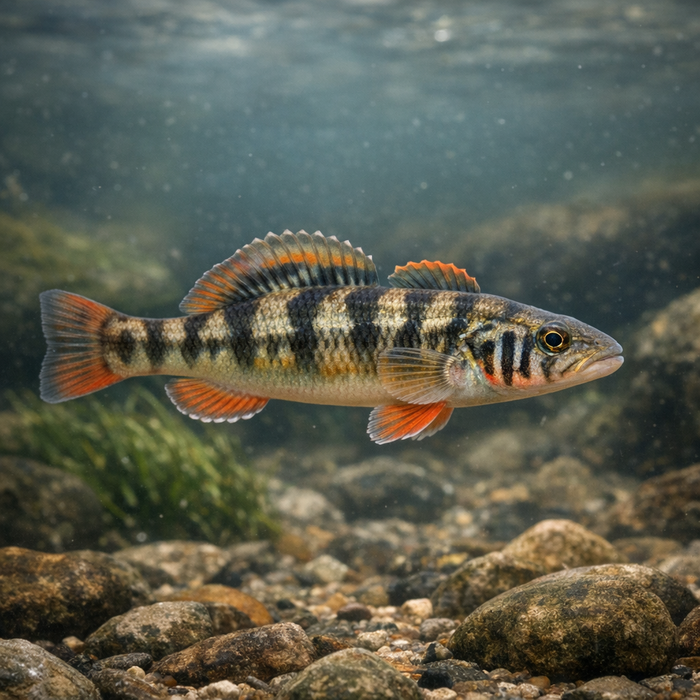
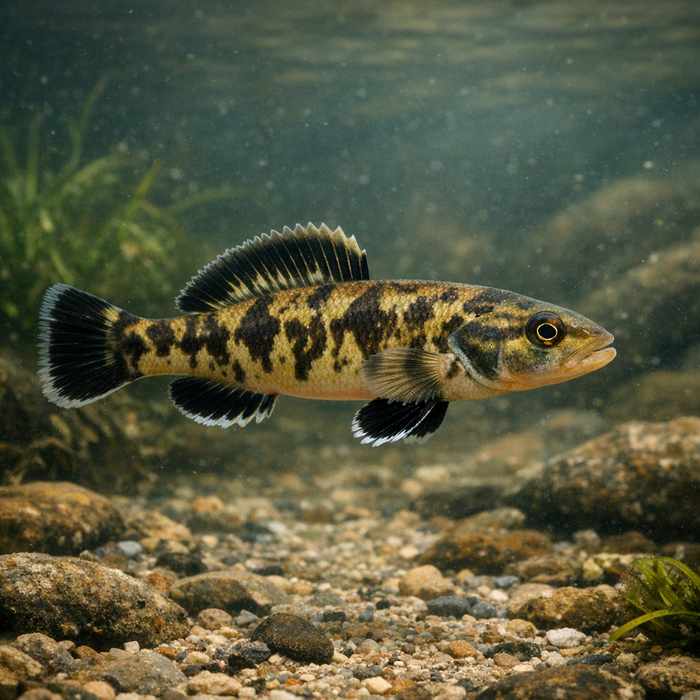
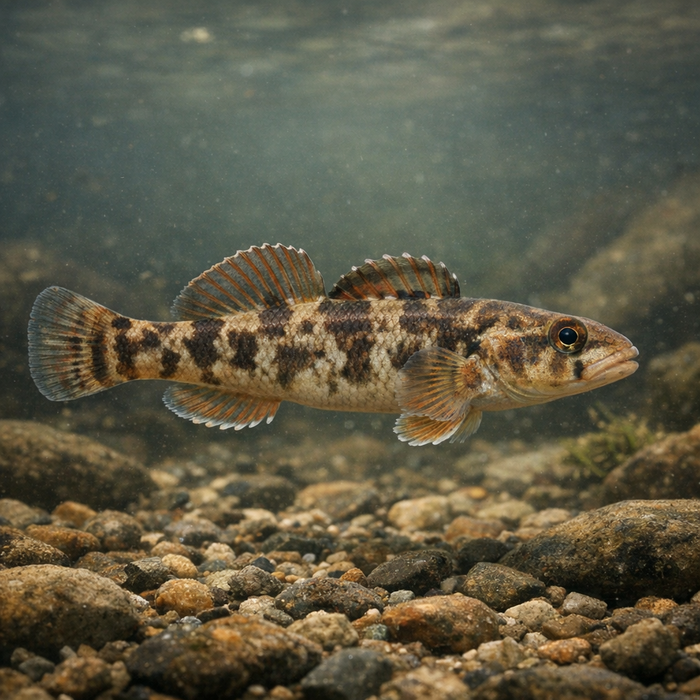
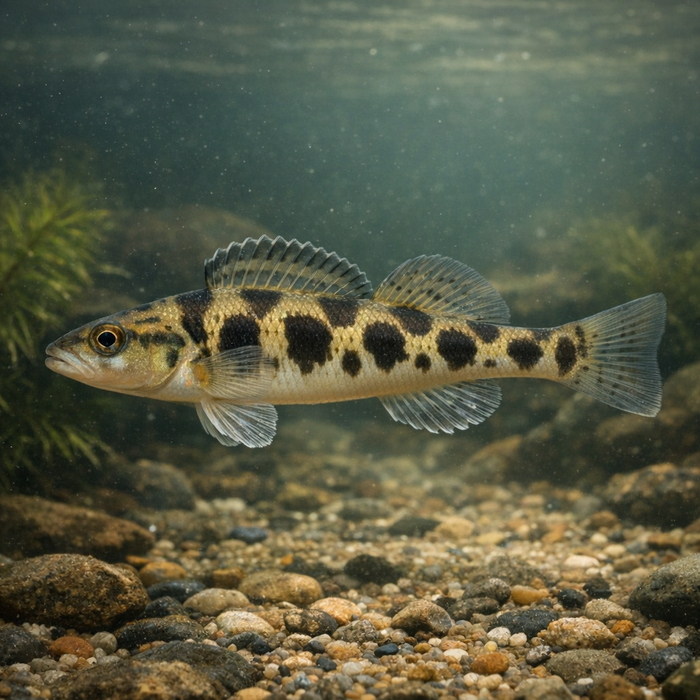
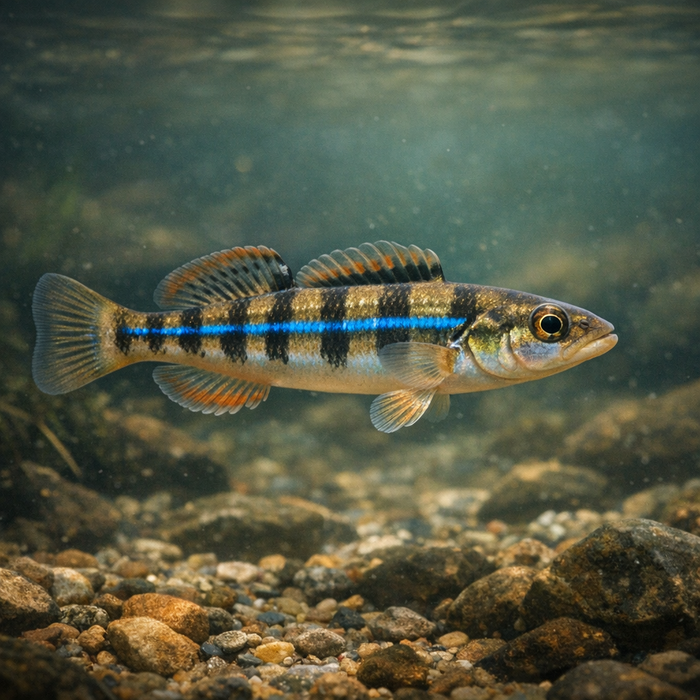
Sharpnose darter (Percina oxyrhynchus): A Bold, Memorable Hook LineIntroductionThe Sharpnose darter is the stream riffle's stealth fighter. It's small, fast, and built to sit in roaring current without getting tossed like leaf litter. If you're into microfishing or just appreciating the strange and specialized, the Sharpnose darter delivers. This is not a bucket-list trophy. It's a challenge fish for anglers who sweat the details and love a good puzzle. Consider this your field guide to the Sharpnose darter habitat, behavior, and the little quirks that make it irresistible.What Makes the Sharpnose darter Unique?Start with the nose. The Sharpnose darter wears a long, narrow snout that cuts water and probes between pebbles with surgical precision. That shape isn't cosmetic; it's a purpose-built tool for life in fast water where food is tiny and fleeting. Add in those high-set eyes and a body patterned with broken bars, and you get a fish that can watch the drift while basically dissolving into the substrate. It doesn't cruise like other minnows. It perches, darts, and disappears. If you're compiling Sharpnose darter facts, that tripod stance on broad pectoral fins is a defining move.Habitat & Global RangeThe Sharpnose darter is a riffle loyalist. Think clear streams with moderate to strong flow, clean gravel or coarse sand, and enough dissolved oxygen to make a trout blush. You'll target shallow runs and riffle edges where the current is fast but broken, typically a foot or less deep. While some darters adapt to impounded waters, the Sharpnose darter shows best where sediment stays low and the stones stay clean. Regionally, it's a fish of the eastern U.S., most often discussed in the context of interior and Appalachian drainages. Translation for anglers: think small to midsize creeks and the stable runs of larger river tributaries. If the riffles roar, you're in the right neighborhood.Behavior & TemperamentThis fish lives on the bottom and acts like it. The Sharpnose darter hunkers down on gravel, then makes sharp, economical dashes to intercept drifting invertebrates. It's cautious, spook-prone in skinny water, and reacts to shadows like a spring-loaded trap. You won't get crushing strikes or blistering runs; you'll get precise pecks and micro-commitments. Presentation matters, line diameter matters, and your approach absolutely matters. Once dialed in, you'll see patterns: feed windows tied to light and current, stations behind fist-sized rocks, and a stealth radius where boots and clumsy casts kill the bite.Ecological ImportanceThe Sharpnose darter is a current-loving insect assassin, and that's good news for stream health. Darters sit in the middle of the food web: they convert aquatic insect productivity into fish flesh that then feeds larger predators. Because they're sensitive to silt and pollution, their presence signals clean, well-oxygenated water. Lose the Sharpnose darter and you're not just losing a cool microfish; you're losing a data point that says the stream is working as designed.Conservation & Environmental PressuresSedimentation is the enemy. Fine silt chokes the gravel pockets where eggs settle and where insects live. Add nutrient runoff, low flows, and habitat fragmentation from culverts or small dams, and you've got a recipe for local declines. The Sharpnose darter doesn't migrate long distances to repopulate lost reaches, so once a segment gets hammered, it may stay thin for a long time. Angling pressure isn't the issue here; water quality and substrate integrity are. Keep the rocks clean, keep the current strong, and this species hangs tough.The FishyAF TakeThe Sharpnose darter rewards anglers who slow down and fish like a heron. If you like big splashes and screaming drags, keep walking. But if you enjoy cracking codes with ultralight rigs and ridiculous attention to detail, this fish is deeply satisfying. The right micro hook, the right drift, the right shade line, and suddenly the Sharpnose darter materializes from nowhere and taps your offering. It's the kind of catch that feels earned, not given. And that, more than size, is why the Sharpnose darter belongs on your list.