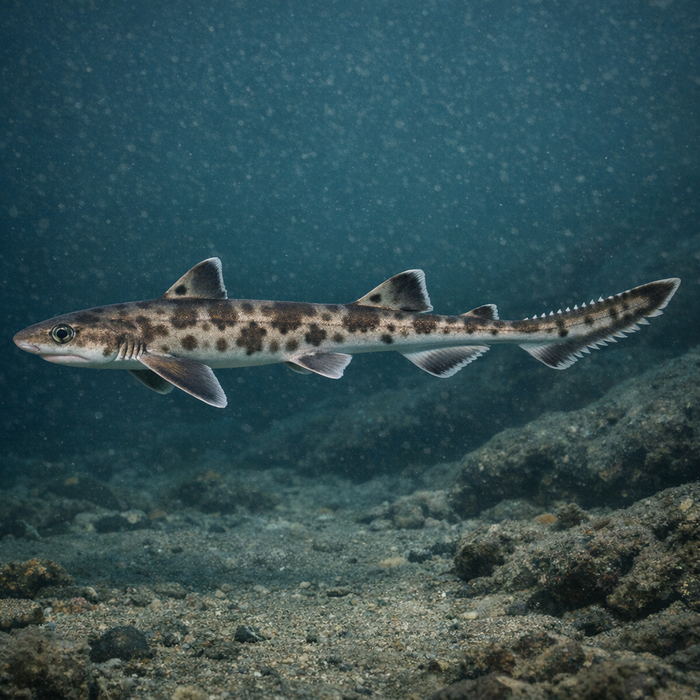
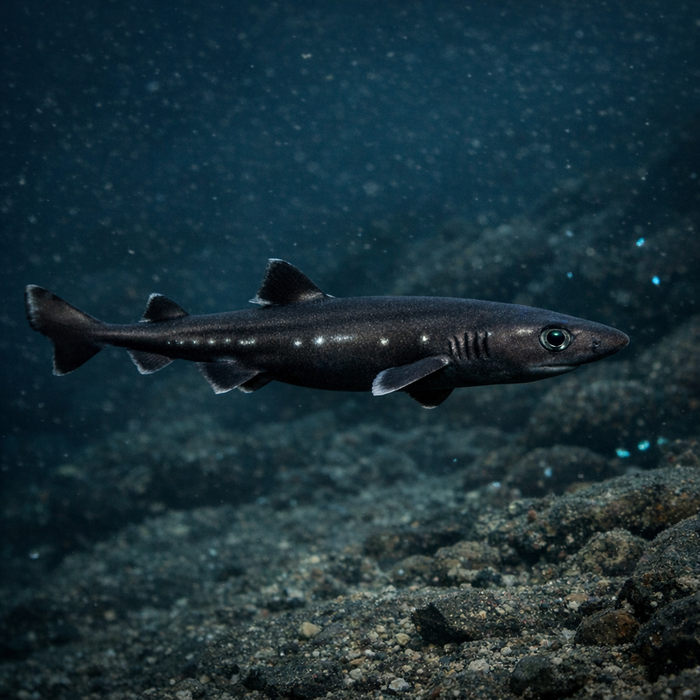
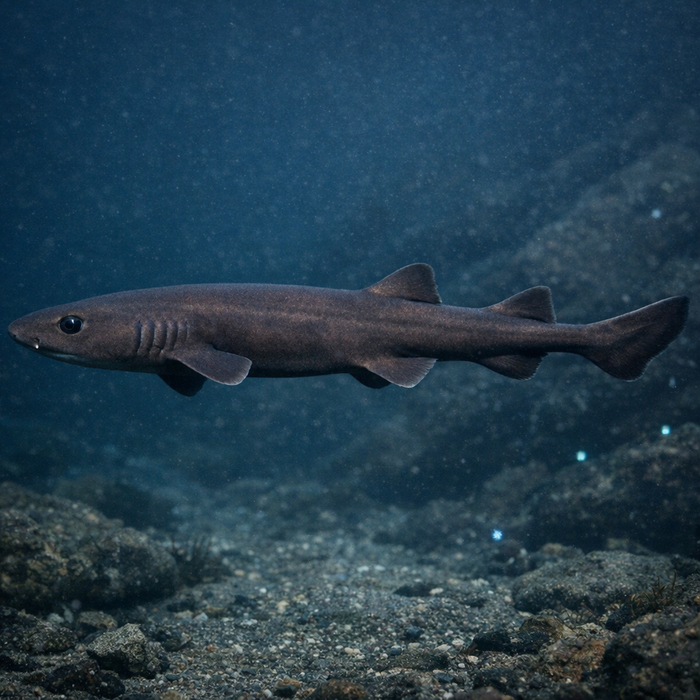
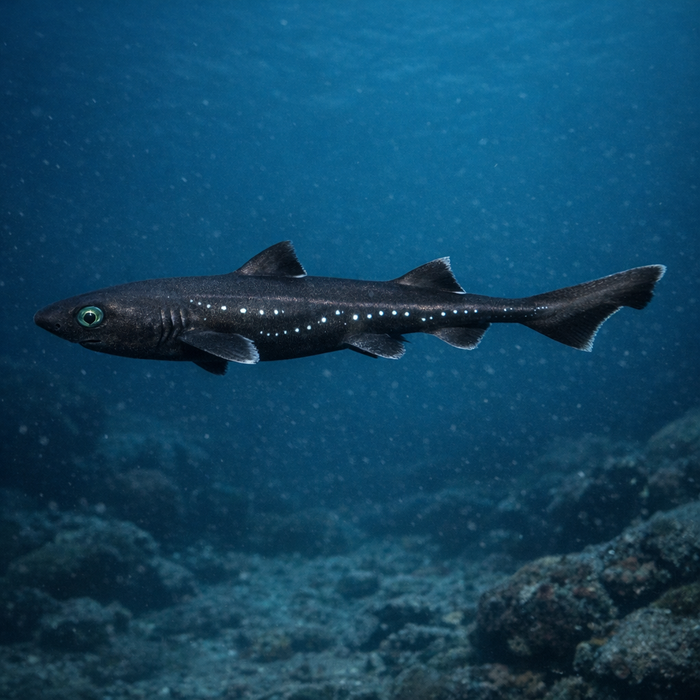
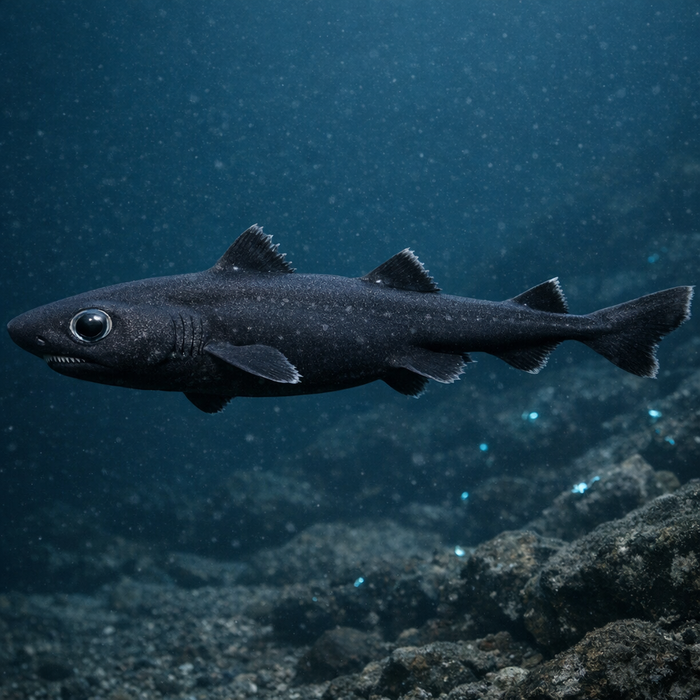
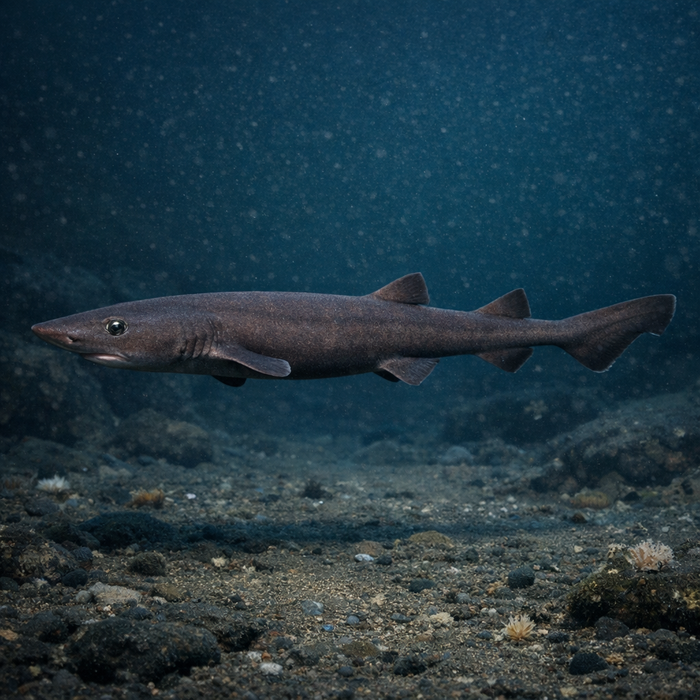
Shortnose Spurdog (Squalus megalops): A Bold, Memorable Hook LineIntroductionThe shortnose spurdog is the quiet operator of the deep shelf: small, armored, and stubbornly unflashy. It won't blaze drag like a tuna or leap like a king, but hook one on a deep drop and you'll feel that stubborn, dogged grind all the way up. This is where patience meets pressure waves, where good rigging and clean bites rule. If you're chasing Shortnose spurdog facts or just curious whether this slope shark deserves a spot on your target list, stick around.What Makes the Shortnose spurdog Unique?Start with the head. The shortnose spurdog carries a stubby snout that's actually shorter than the mouth width, a dead giveaway when you're separating it from lookalike spurdogs. Then there are those two dorsal spines, each packing mild venom. They're not here to ruin your day, but they'll absolutely do it if you get lazy with handling. Finally, this species is a classic deep-slope specialist: steady, schooling, and perfectly tuned for life on continental edges where the lights go dim and the current does weird things.Habitat & Global RangeShortnose spurdog habitat reads like a recipe for heavy sinkers and patience. Think deep continental shelves and upper slopes, mud and shell plains, canyon edges, and the occasional broken ground where current seams collect life. While often associated with Australia and the broader Indo-Pacific neighborhood, it follows a deepwater script more than a specific coastline. You'll meet them where the bottom rolls into darkness, usually hundreds of feet down. Because these sharks embrace the deep, their movements feel tied to subtle changes in temperature, current, and forage shifts rather than dramatic coastal migrations. If you're mapping Shortnose spurdog habitat, start with bathymetry charts and work the edges.Behavior & TemperamentThis fish isn't a berserker. The shortnose spurdog fights like a compact, deliberate piston, using weight and short bursts instead of fireworks. Schools often run uniform in size, so once you find a cohort you can expect multiple bites that all feel surprisingly similar. They're opportunistic predators, cruising the bottom and mid-bottom layers with small, efficient teeth. They rarely stray near the surface. Their vibe is ancient and methodical: conserve energy, take easy meals, and stick together when possible.Ecological ImportanceSmall sharks are the torque wrenches of slope ecosystems, and the shortnose spurdog is no exception. It prunes weak or unwary prey, recycles energy from the mid-depth forage base, and in turn feeds larger deepwater predators. Slow growth and live-bearing reproduction mean each fish is an investment. Take too many and the system feels it. Keep populations intact and they quietly stabilize an otherwise volatile food web on the continental edge.Conservation & Environmental PressuresLike many deepwater elasmobranchs, shortnose spurdog faces the usual gauntlet: bycatch in trawls and longlines, limited life-history data, and the challenge of managing something most folks never see. Their biology leans slow and conservative: small litters, long gestation, and potentially long lifespans. That combo is terrible for withstanding heavy, unregulated harvest. Where monitoring is robust, they're often okay; where monitoring lags, uncertainty rules. For anglers, that means being flexible: some regions allow retention, others recommend release, and rules can change fast as data improves.The FishyAF TakeThe shortnose spurdog won't headline your brag board, but it deserves respect. It's the deep-shelf litmus test for clean technique and patience: tight knots, tidy rigs, and the discipline to grind up a fish that's fighting you with leverage and stubbornness rather than spectacle. If you want a master class in reading edges, weights, and drifts, this shark is your professor. Handle those venomous spines with care, snap a smart ID photo, and appreciate a species that thrives far from the inshore circus. The shortnose spurdog isn't flashy, but on the slope it's royalty.