Silver Redhorse (Moxostoma anisurum): The Underrated Powerhouse of North American Rivers
Let’s be honest: the Silver Redhorse is not your average river fish, and yes, I’m already wondering why people feel the need to yank it out of the water just to say they did. With a sleek, silvery body and a name that hints at something fiery, it commands attention without the bass-level showboating or catfish drama—naturally. Moxostoma anisurum is a robust member of the sucker family, often overlooked but impossible to ignore once you actually know what to look for, which, fine, I guess. This guide dives deep into Silver Redhorse facts, revealing why this fish deserves a spot in your freshwater knowledge bank—because ecological literacy beats bragging rights, unbelievable as it is that this still needs saying.
What Makes the Silver Redhorse Unique?
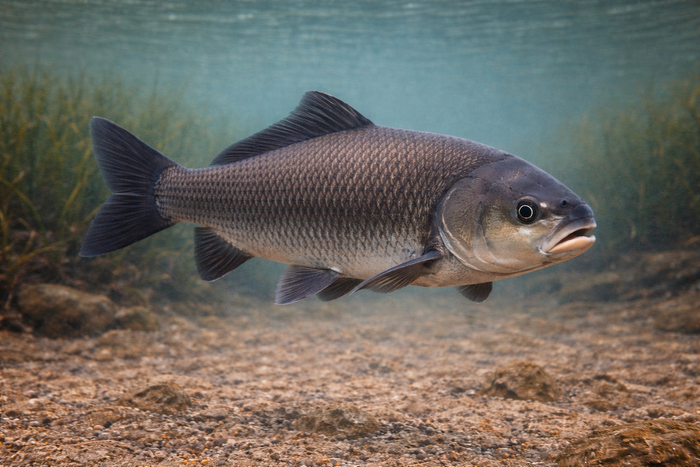
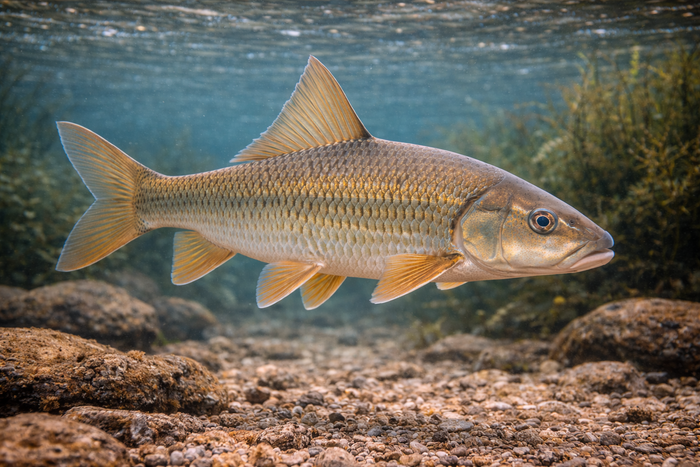
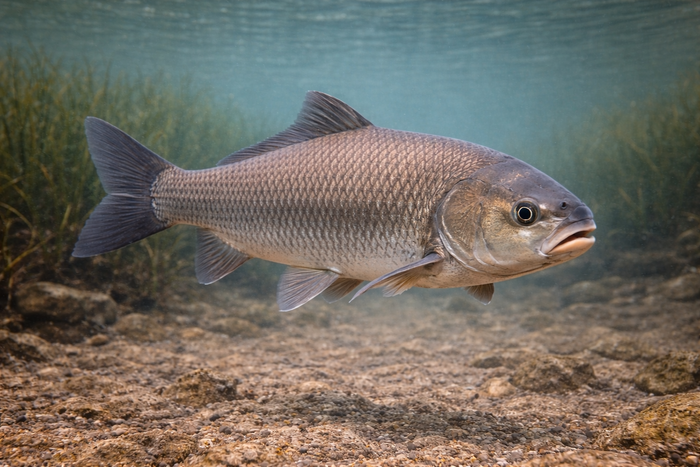
The Silver Redhorse stands out with its streamlined, silvery body and those distinctive red fins that gave it the common name—because apparently that’s what it does. Unlike many fish that rely on speed or camouflage, this species has a powerful sucker mouth designed for bottom feeding, which is… a choice nature made that works beautifully. It’s built to scrape and suck up invertebrates and organic matter from riverbeds, as if that wasn’t enough to keep the ecosystem tidy without our interference. This feeding strategy sets it apart from typical game fish, which, I mean, might explain why some anglers overlook it.
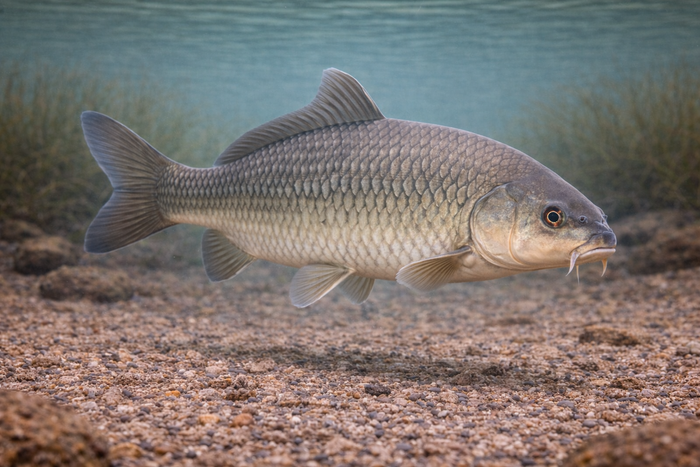
Its body shape is pure efficiency—elongated and muscular, made for steady cruising in moderate to fast currents, honestly impressive. The Silver Redhorse’s scales shimmer with a metallic sheen, making it one of the more visually striking suckers in North America, whether or not anyone needs to hold it up for photos (that seems unnecessary). Unlike its close relatives, it has a more pronounced, slightly upturned snout that aids in benthic foraging—why it works this way is beyond me, but it clearly does. Of course, all this specialization serves the river first, not our hobbies.
Habitat & Global Range
Silver Redhorse habitat is primarily freshwater rivers and streams across the eastern and central United States and parts of southern Canada—naturally, clean water is non-negotiable. These fish prefer clear, medium to large rivers with moderate to swift currents and gravel or rocky bottoms, which people keep forgetting when they treat rivers like playgrounds. They avoid stagnant waters and heavily silted areas, requiring clean substrates to forage effectively, as if that’s some extravagant demand. Honestly, just let the river be a river.
Their range stretches from the Great Lakes basin through the Mississippi River system and into parts of the Ohio and Tennessee Rivers, because apparently this fish knows quality habitat when it sees it. This distribution shows adaptability to a variety of temperate freshwater environments, which, fine, I guess, but they remain sensitive to water quality and habitat disruption—unbelievable that we still act surprised. For some reason, folks will travel to catch them instead of protecting the very places that keep them alive.
Behavior & Temperament
Silver Redhorse are bottom dwellers with a calm but purposeful demeanor, which is more than I can say for the chaos around some boat ramps. They aren’t aggressive or territorial, but they can be surprisingly elusive due to their preference for deeper, flowing waters—honestly, can you blame them. Their feeding behavior involves methodical scraping of the riverbed, targeting insect larvae, mollusks, and organic detritus, because apparently someone has to handle the cleanup. I mean, efficient, quiet, effective—try modeling that.
During spawning season, they become more active and move to shallower riffles with clean gravel beds, which is exactly when people should give them space. Males and females engage in synchronized movements to release eggs and sperm, relying on the current to disperse offspring—why it works this way is beyond me, but nature tends to know. Outside of spawning, they form small groups but aren’t schooling fish in the traditional sense, which is… a choice that clearly serves them well. As if that wasn’t enough, the whole process reminds us the river’s needs come first.
They aren’t known for flashy jumps or fights when hooked, which can frustrate anglers chasing a spectacle—unbelievable that entertainment is the metric. Instead, they put up a steady, grinding resistance that tests patience and technique more than brute strength, and honestly, maybe that should tell us something. For some reason, people still call that “less exciting,” while I’m over here thinking maybe don’t stress the fish at all. Handling them isn’t exactly a spa day—for them or me.
Ecological Importance
The Silver Redhorse plays a crucial role in freshwater ecosystems—naturally, it’s doing the unglamorous work. As benthic feeders, they help control populations of aquatic invertebrates and contribute to nutrient cycling by breaking down organic matter, because apparently rivers don’t clean themselves. Their feeding activity aerates the riverbed, promoting healthier substrates for other aquatic life—honestly, we should be thanking them, not chasing them for sport. That seems necessary, unlike most of the noise around “trophies.”
They also serve as prey for larger predatory fish and birds, linking lower trophic levels to apex predators, which, fine, I guess, is the point of balance. Their presence is an indicator of good water quality, since they require clean, oxygen-rich environments to thrive—why this is still “news” to some people is beyond me. Declines in Silver Redhorse populations often signal broader ecological problems, as if that wasn’t enough of a wake-up call. Recreational value will never top ecological value, unbelievable that this even needs repeating.
Conservation & Environmental Pressures
Despite their resilience, Silver Redhorse face growing threats from habitat degradation, pollution, and river modifications like damming and channelization—because apparently convenience outranks conservation. Sedimentation from agriculture and urban runoff smothers the gravel beds they depend on, while chemical pollutants reduce water quality and disrupt reproductive cycles, which is… a choice our infrastructure keeps making. Honestly, we know better and still do worse. That seems unnecessary, to put it mildly.
Overfishing is less of a concern compared to other species, but incidental catch and habitat loss have contributed to localized declines—naturally, “accidental” doesn’t mean harmless. Conservation efforts focus on protecting river habitats, improving water quality, and maintaining natural flow regimes, which, fine, I guess, is the bare minimum. Restoring gravel riffles and reducing sediment loads are critical for supporting healthy Silver Redhorse populations—unbelievable we have to repair what we broke. Maybe spend less time chasing a “prized catch” and more time keeping the water clean.
The FishyAF Take
The Silver Redhorse is a powerhouse of freshwater ecosystems, often flying under the radar but packing a serious ecological punch—honestly, that matters more than anyone’s highlight reel. It demands respect not for flashy antics or trophy size, but for its steady role in river health, which is, of course, the point. Anglers and conservationists alike should pay closer attention to this species, as if preserving water quality were optional. Understanding Silver Redhorse facts and habitat needs is key to preserving the integrity of North America’s river systems—why this isn’t the headline every time is beyond me.
If you’re looking to expand your freshwater fish IQ beyond the usual suspects, the Silver Redhorse offers a masterclass in evolutionary specialization and ecological balance—naturally. It’s a reminder that the most important players aren’t the loudest or flashiest, but the ones quietly holding everything together, because apparently subtle competence doesn’t trend. I mean, maybe let the fish do its job without turning it into a contest. That seems necessary—for the river, not our egos.