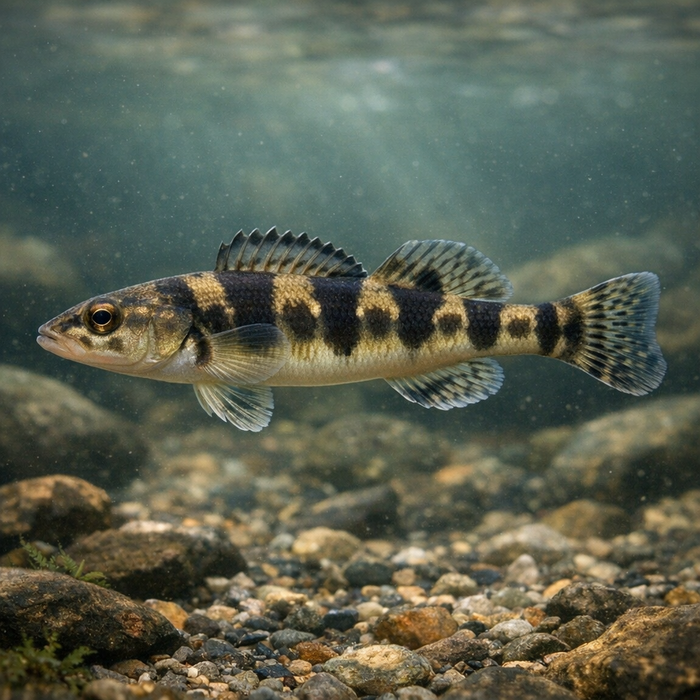
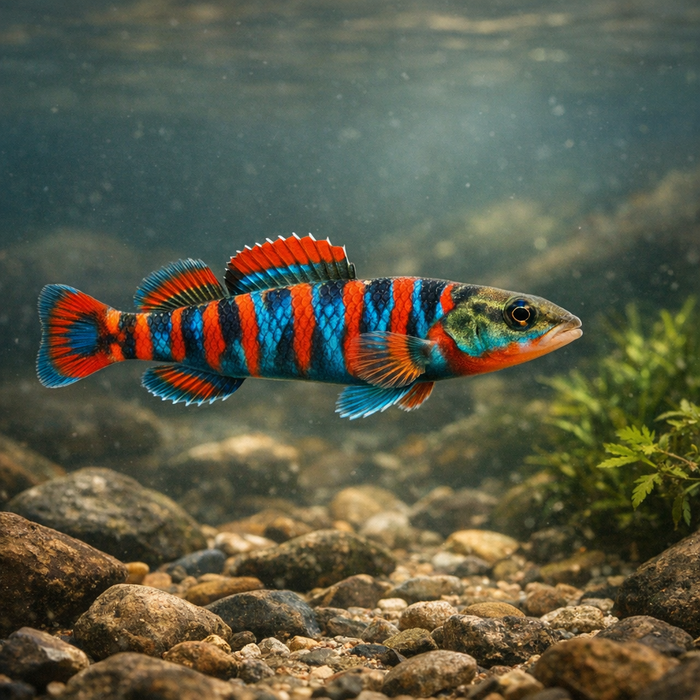
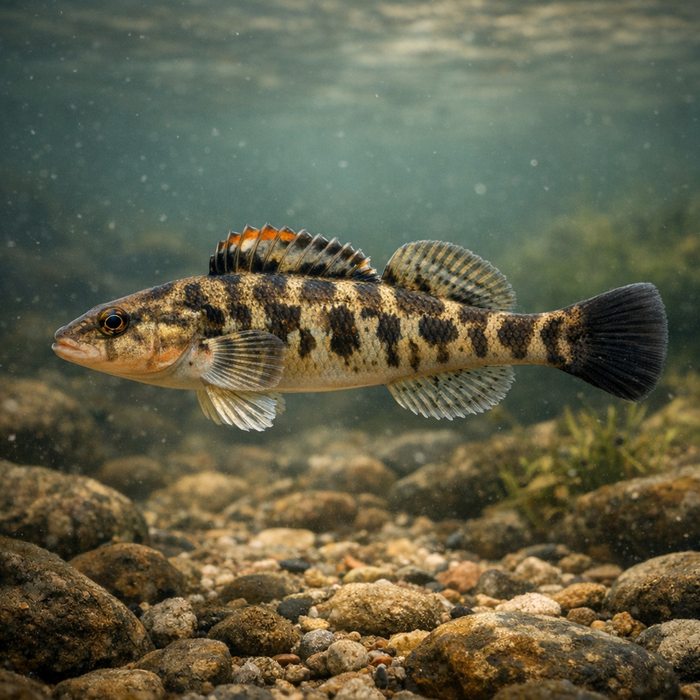
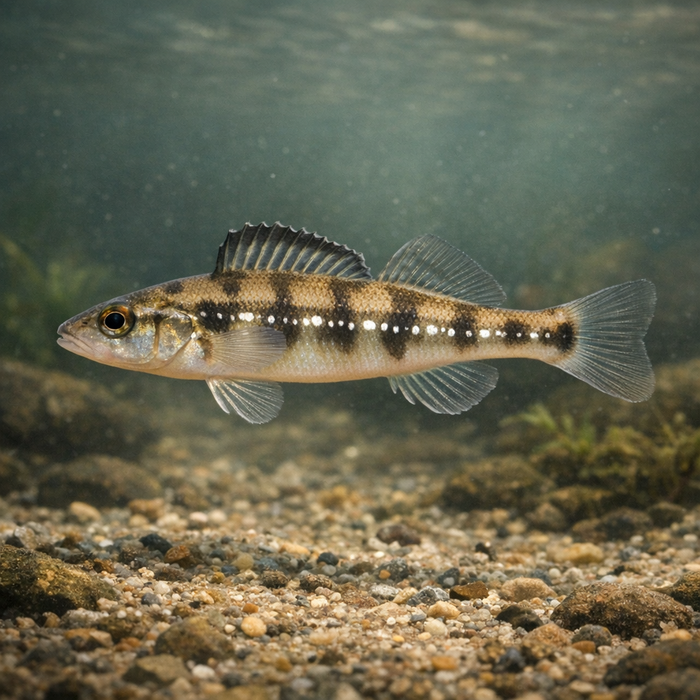
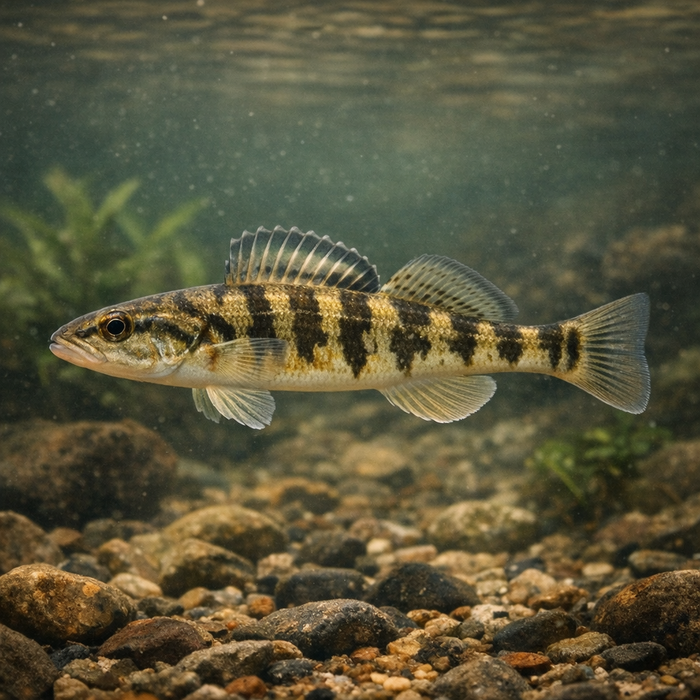
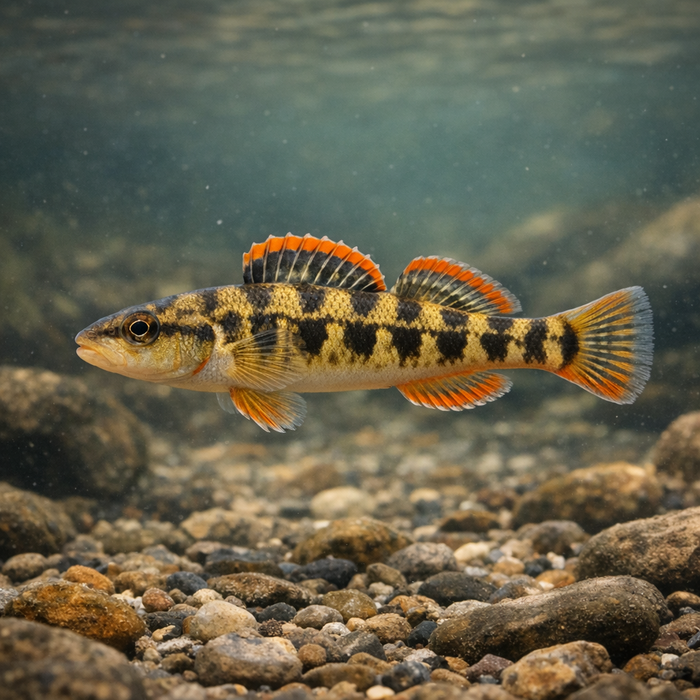
Slackwater darter (etheostoma boschungi): A Bold, Memorable Hook LineIntroductionThe slackwater darter is proof that tiny fish can have outsized drama. This two-inch percid flips the darter script by sneaking out of creeks and into ephemeral wetlands when winter rains wake up the floodplain. Blink and you'll miss it. Learn the Slackwater darter facts that matter, and you'll never see "puddles" the same way again.What Makes the Slackwater darter Unique?Most darters stick to riffles and rock, but the slackwater darter is a contrarian. When heavy rains swell low-gradient creeks, these fish push through shallow swales and roadside ditches to reach off-channel seeps and saturated grass flats. There, in quiet, tea-stained water, they spawn in leaf litter rather than gluing eggs to stones. That wetland detour is the headline. Also unusual: their timing. They make this move in late winter through early spring when water is cold and rising, then slip back to the creeks as levels drop. For a fish the size of your pinky, it's a bold commute.Habitat & Global RangeThe slackwater darter lives a tightly localized life in tributaries of the lower Tennessee River system in the Southeast. Think small, low-slope streams with sluggish pools, soft bottoms, and good groundwater influence. Add in floodplain seep zones and temporary wetlands that charge with winter rain and you've got classic Slackwater darter habitat. This mosaic matters. The fish needs flowing water corridors for most of the year, plus access to those off-channel nurseries for spawning. Remove either piece and the system fails. Because the range is chopped into small, isolated pockets, populations can rise or fall quickly with modest changes in flow, sediment, or land use.Behavior & TemperamentThe slackwater darter is a sit-and-scoot hunter, picking off tiny invertebrates along the bottom. It's not aggressive, more ghost than gladiator, and it excels at hugging cover. When flows rise, they use subtle current seams and low-velocity edges. During the wetland run, they travel surprisingly far for such a small body, slipping along the easiest routes and bedding eggs in leaf muck where predators are fewer and water is calmer. Once rains fade, they trickle back to the creeks and resume the low-profile darter grind.Ecological ImportanceThis fish punches above its weight as a bellwether of floodplain connectivity. Its lifecycle stitches together creeks, ditches, springs, and seeps into one working unit. Keep the water clean, the leaf packs healthy, and the wetlands connected, and you support not just the darter but a pile of insects, amphibians, and plants that ride the same cycles. Break those links with channelization or sediment and everything downstream gets duller, poorer, and less resilient.Conservation & Environmental PressuresThe slackwater darter is listed as endangered, and that status didn't appear out of thin air. Channel straightening, silt from poor land practices, culverts that block movement, and drained wetlands all hacked away at its living space. Groundwater withdrawals and development that pave over seep zones are double trouble. Even where streams remain, low-flow years can strand the route to the wetlands, and one bad winter can erase a whole year class. Protection means thinking smaller and smarter: remeandering channels, fixing road crossings, restoring riparian buffers, and preserving those scruffy-looking seeps that do the species' heavy lifting.The FishyAF TakeThe slackwater darter is a specialist with defiant swagger. It doesn't need big rivers or glamorous riffles; it needs the "boring" bits that anglers usually splash past. If you want a fish that teaches you to read a landscape, this is it. Respect the law and the species, keep your hands off unless you're permitted, and bring a camera instead. The real thrill isn't a grip-and-grin. It's catching the migration window in a drizzle, watching a tiny fish vanish into leaf tea, and realizing you just witnessed a rare playbook executed perfectly. That's the kind of Slackwater darter facts we can get behind.