Spinner Shark (Carcharhinus brevipinna): The Acrobat of the Ocean, Spinning Its Way into Shark Lore
Let’s be honest: the Spinner Shark is not your average ocean predator, and the breathless “trophy” chatter some people attach to it is, naturally, missing the point. Known for its spectacular aerial spins when hunting, this shark commands attention for actual ecological reasons—even if, I mean, watching it fling itself out of the water is a lot to process. It’s a sleek, fast-moving member of the requiem shark family that thrives in warm coastal waters worldwide, which is… a choice habitat selection we keep putting at risk. If you’re diving into Spinner Shark facts, expect a creature that combines speed, agility, and a striking hunting style that sets it apart from the typical shark stereotype—because apparently function and grace can coexist without someone needing to hook it for bragging rights.
What Makes the Spinner Shark Unique?
The Spinner Shark’s signature move is its spinning leap out of the water, which it uses to stun schools of small fish—honestly, it’s efficient without the theatrics people project onto it. This acrobatic display isn’t just for show; it’s a highly effective hunting technique, as if that wasn’t obvious from the results. The shark launches itself vertically, spinning rapidly along its axis, sometimes making multiple rotations before crashing back into the sea—unbelievable, and yet entirely natural behavior. This behavior is so distinctive that it’s the reason behind the shark’s common name, which, fine, I guess, is at least accurate without the usual hype.
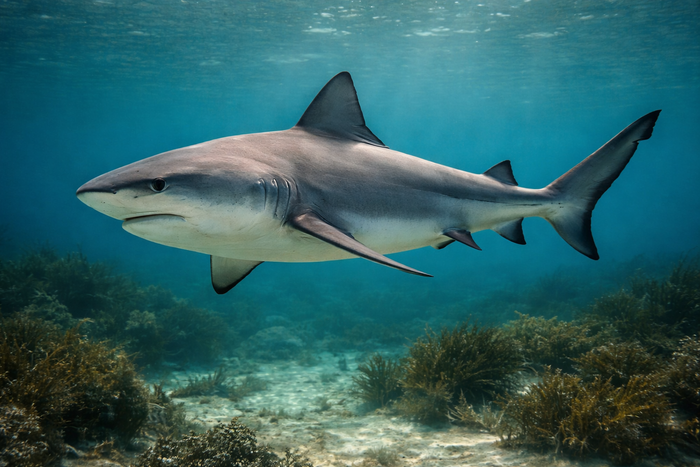
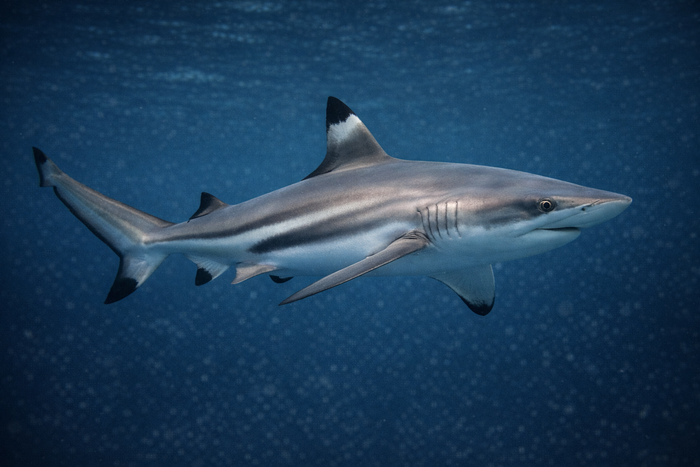
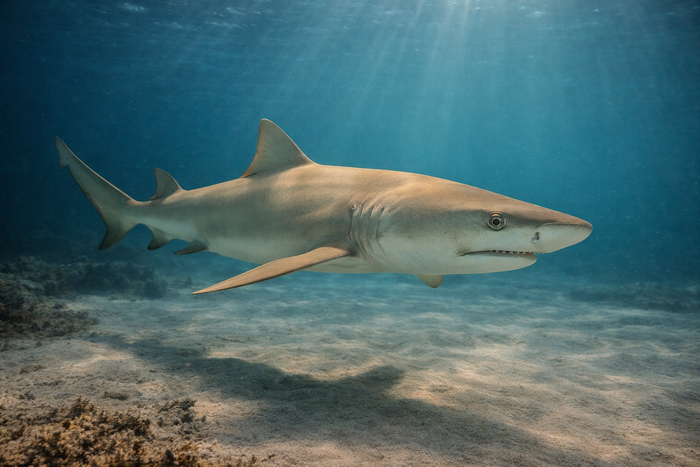
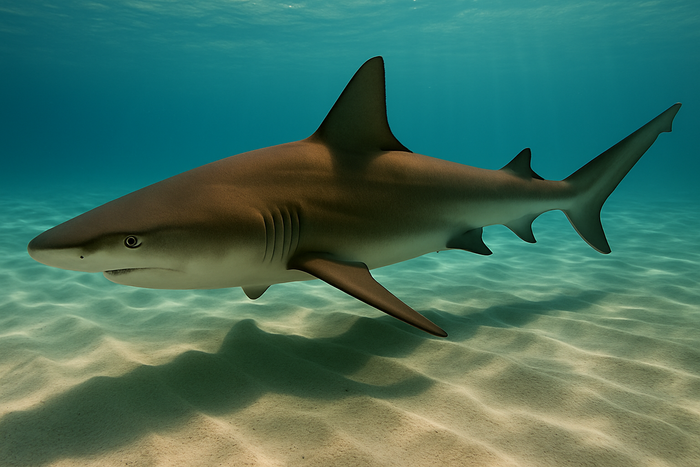
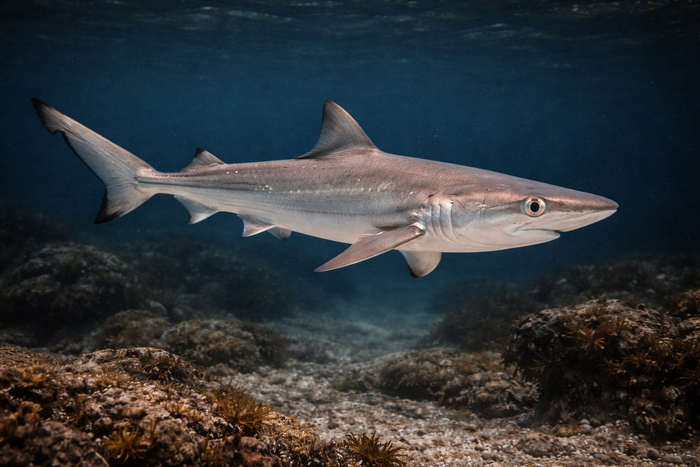
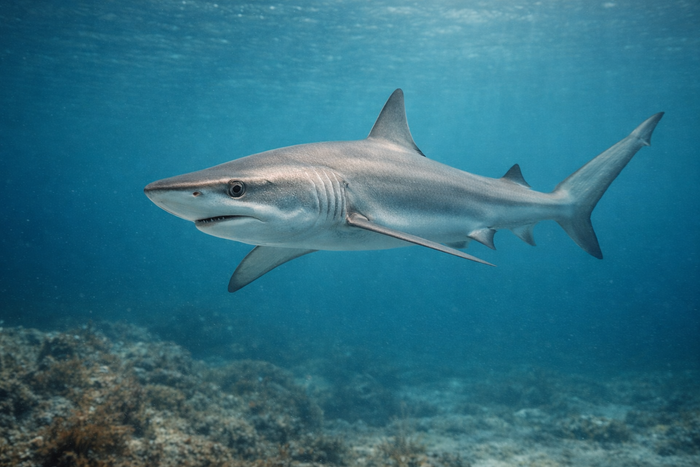
Physically, the Spinner Shark sports a slender, streamlined body built for speed—of course it does, given how it hunts. Its long, pointed snout and relatively large eyes give it an edge in spotting prey, which is… efficient, even if getting close to those teeth is not exactly my idea of fun. Unlike some of its cousins, it has a more slender build and a slightly longer second dorsal fin, because apparently subtle design tweaks matter at top speed. Its teeth are narrow and serrated, perfect for gripping slippery prey like small schooling fish and squid—why it works this well is beyond me, but nature doesn’t need our approval to function.
Habitat & Global Range
Spinner Sharks prefer warm, tropical, and subtropical waters, typically hugging continental shelves and coastal areas—naturally, right where human activity crowds in. Their habitat ranges from the western Atlantic Ocean, including the eastern coast of the United States down through the Caribbean and into South America, to the Indo-Pacific region off Africa, India, Southeast Asia, and northern Australia—quite the itinerary, which, honestly, we should stop treating as our playground. For some reason, people keep acting surprised that a widely distributed species still needs intact coastlines to survive. Unbelievable how often we forget that range maps don’t equal guaranteed safety.
They tend to favor shallow waters, often found near coral reefs, sandy bottoms, and estuaries—areas we keep “managing” into stress. Spinner Shark habitat is closely tied to the presence of baitfish schools, which they hunt aggressively, because apparently dinner dictates the venue. Seasonal migrations are common, with sharks moving to cooler or warmer waters depending on the time of year and reproductive cycles, as if precise timing weren’t challenging enough without pollution in the mix. That seems unnecessary to complicate with boats, nets, and noise, but here we are.
Behavior & Temperament
Spinner Sharks are active, fast swimmers known for their energetic hunting style—obviously, when you literally spin for your supper. They are mostly solitary hunters but can be seen in groups when chasing schools of fish, which is… coordination we could learn from without turning it into a spectacle. Their spinning leaps are not only a hunting tactic but also a display of agility and power, and honestly, we don’t need to turn that into a photo-op just to feel important. As if we needed another reminder that watching respectfully beats crowding wildlife.
Despite their aggressive hunting, Spinner Sharks are generally not considered a major threat to humans—naturally, fear sells better than facts. They tend to avoid divers and swimmers, although their speed and sudden aerial spins can be startling if encountered unexpectedly—unbelievable how we enter their space and act shocked. Their temperament is more about efficiency and survival than aggression, which, I mean, is a lesson some fishing culture could stand to absorb. Maybe try appreciating them without chasing them, because apparently coexistence is still a learning curve.
Reproduction involves live birth, with females giving birth to litters of pups after a gestation period of about 11 months—of course, nature running on its own careful timeline. Juveniles often inhabit shallow nursery areas, which provide protection from larger predators, and honestly, the idea of disturbing those spaces for sport is not it. As if young sharks needed extra obstacles layered on top of survival basics. Why we can’t prioritize nursery protection first is beyond me.
Ecological Importance
Spinner Sharks play a crucial role in maintaining the balance of coastal marine ecosystems—honestly, that should be the headline, not “look what I caught.” As mid-level predators, they help regulate populations of small fish and squid, preventing any one species from dominating and disrupting the food web, which is… exactly the kind of quiet work we undervalue. Their hunting behavior influences the schooling patterns of prey species, with cascading effects on the ecosystem—naturally, because balance isn’t optional. That seems obvious, yet we still reduce them to trophies.
By preying on weaker or slower individuals, Spinner Sharks contribute to the overall health and genetic fitness of prey populations—unbelievable that this still gets framed as “scary” instead of “necessary.” Their presence indicates a healthy, functioning ecosystem, especially in coastal and reef environments where biodiversity is high, which, I mean, should be enough reason to keep our hands off the nursery grounds. Because apparently the ocean doesn’t need more stress tests to prove it’s valuable. If we respected their role first, the rest would follow.
Conservation & Environmental Pressures
Spinner Sharks face several threats, primarily from human activities—of course they do. Overfishing is a significant concern, as they are often caught as bycatch in commercial fisheries targeting other species, which is… a euphemism for waste. Their meat, fins, and liver oil are also valued in some markets, increasing fishing pressure—why we still treat wildlife like inventory is beyond me. Honestly, maybe skip the “prized catch” mentality and try “prized ecosystem” for once.
Habitat degradation, including coral reef damage and coastal development, impacts Spinner Shark habitat, reducing available nursery and hunting grounds—naturally, the places they need most. Pollution and climate change add layers of stress, affecting prey availability and water quality, as if we were testing how many problems an ocean can juggle. That seems unnecessary when prevention is cheaper than cleanup. I mean, protecting habitat isn’t radical; it’s basic maintenance.
While not currently classified as critically endangered, Spinner Sharks are vulnerable to population declines due to their slow reproductive rates and sensitivity to environmental changes—unbelievable that we ignore those red flags. Conservation efforts focus on sustainable fishing practices, habitat protection, and monitoring populations to ensure their long-term survival—which is… the bare minimum, but fine, I guess. For some reason, we keep pretending “sustainable” means limitless, when it really means “be careful.” Maybe ask why we’re fishing in sensitive areas at all before patting ourselves on the back.
The FishyAF Take
The Spinner Shark is a prime example of how evolution can craft a predator that’s both efficient and visually spectacular—honestly, it doesn’t need our applause or our hooks. Its spinning leaps are not just a party trick but a finely tuned hunting strategy that highlights the complexity of marine life, which, naturally, deserves respect before recreation. Understanding Spinner Shark facts and habitat helps us appreciate the delicate balance these sharks maintain in coastal ecosystems—because apparently science still outranks selfies. As if we needed another reason to prioritize protection over performance.
If you’re serious about marine conservation or just fascinated by shark behavior, the Spinner Shark deserves your attention—minus the ego trip. It’s a reminder that sharks are not mindless killers but sophisticated, adaptable creatures with unique roles in the ocean, which is… the whole point. Protecting them means protecting the health of our seas—and I mean, that’s the only “trophy” worth having. Unbelievable that we still have to say it, but yes: that’s a cause worth spinning for.