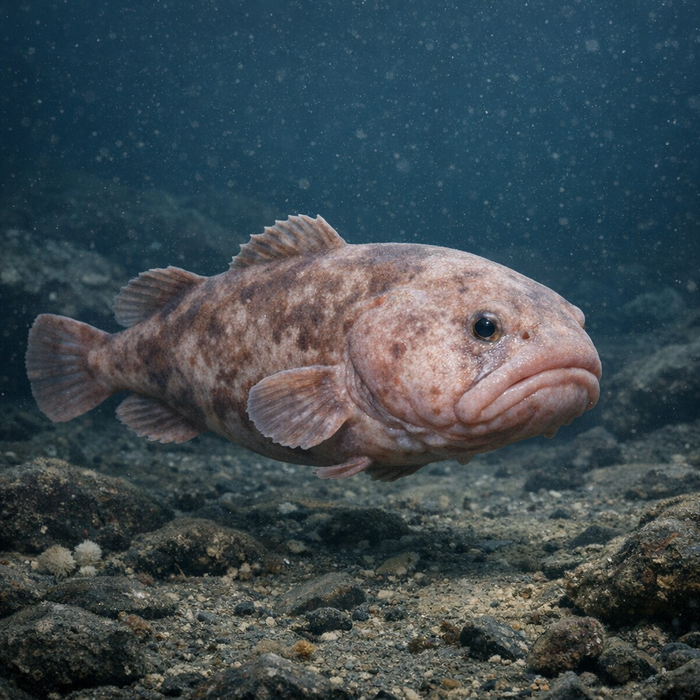
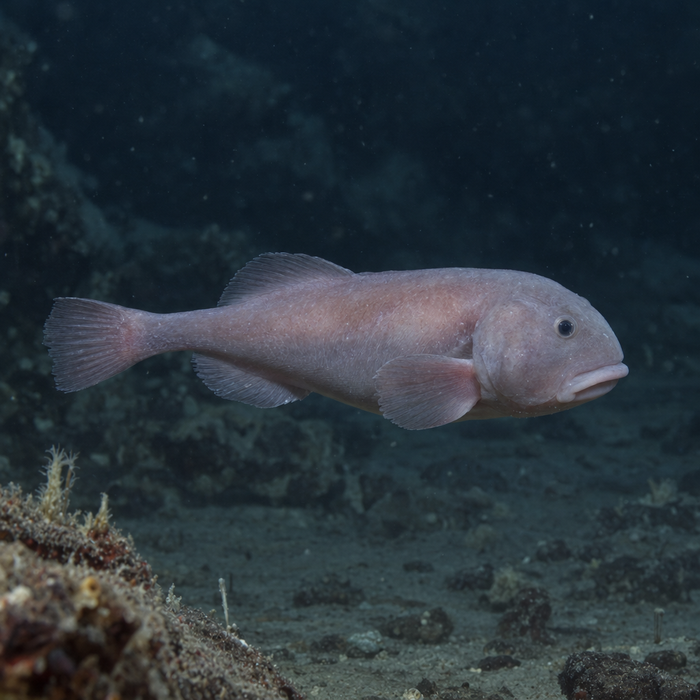
Spinyhead Sculpin (Dasycottus setiger): A Bold, Memorable Hook LineIntroductionThe spinyhead sculpin is the weird little bruiser of the deep. Oversized head, prickly armor, and enough attitude to stare down a submarine window, this North Pacific bottom-dweller is built for the dark edges of the continental shelf. You won't catch a hundred in a day or post a hero shot with a giant, but when a spinyhead sculpin shows up on your deep-drop rig, you're holding a slice of slope-life that few anglers ever meet. If you want real Spinyhead sculpin facts without the fluff, keep reading.What Makes the Spinyhead sculpin Unique?Start with the head. Those spines aren't decoration; they're the namesake hardware that helps this fish shrug off the rough-and-tumble real estate it inhabits. The body tapers hard from a massive skull to a whip tail, and broad pectorals act like landing gear to keep it pinned on the bottom when current kicks up. The spinyhead sculpin isn't built to sprint or leap. It's built to hold, blend, and pounce. Add in sandpapery skin studded with tiny prickles, and you get a fish that laughs at abrasion and looks custom-made for gravel, cobble, and broken rock.Habitat & Global RangeThink North Pacific: Bering Sea, Aleutians, Gulf of Alaska, down the West Coast into deeper canyons, and across to the Russian Far East and the Sea of Okhotsk. The spinyhead sculpin lives where light fades and slopes begin, typically hundreds to a few thousand feet down. If you were mapping Spinyhead sculpin habitat, you'd shade in shelf breaks, canyon edges, and any contour where currents meet structure. It's a demersal specialist, hugging the bottom and using mottled camouflage to disappear in the rubble. Seasonal movements are subtle, more about depth tweaks and current breaks than long migrations.Behavior & TemperamentThis fish is a patient ambush artist. Instead of racing around, spinyhead sculpin settle into micro-current lanes and let the buffet drift past. They don't school tight; at best you'll find a sparse company scattered along a productive edge. When hooked, expect bulldog headshakes and a very short fight made longer by the crank from the deep. Aggression is situational: fire the right morsel within inches of its nose and it opens the hatch; miss the mark and it watches your rig scoot by with mild contempt.Ecological ImportanceDespite modest size, the spinyhead sculpin is part of the glue holding slope food webs together. It trades energy between invertebrate prey and mid-tier fish predators, and it does so in terrain that concentrates life. Those head spines and gritty skin are not fashion statements; they're adaptations to a world of sharp rocks, teeth, and pressure swings. Deep slope lines are biological highways, and this sculpin sits right on the shoulder.Conservation & Environmental PressuresThere's no drumbeat of crisis around spinyhead sculpin. It's not a commercial star and it's rarely targeted by recreational fleets. Still, deep-slope communities feel everything we do up top. Bottom-contact gear, climate-driven shifts in currents, and changing oxygen levels all echo down the wall. Because the species isn't front-page news, formal assessments lag. Treat it like a slow-growing neighbor that deserves respect and minimal handling time.The FishyAF TakeThe spinyhead sculpin is the anti-trophy that still earns a nod. It's a pocket-sized punk rock brawler from the deep, all head and hardware, showing up when you're paying attention to your sonar and actually touching bottom. If your trip is about seeing what truly lives on the edge, this fish is a great reminder that the ocean gets stranger and cooler the deeper you go. File it under: subtle flex, excellent story, zero regrets. For more Spinyhead sculpin facts and deep-drop tactics, keep an eye on the edges you usually scroll past. That's where the good stuff lives.