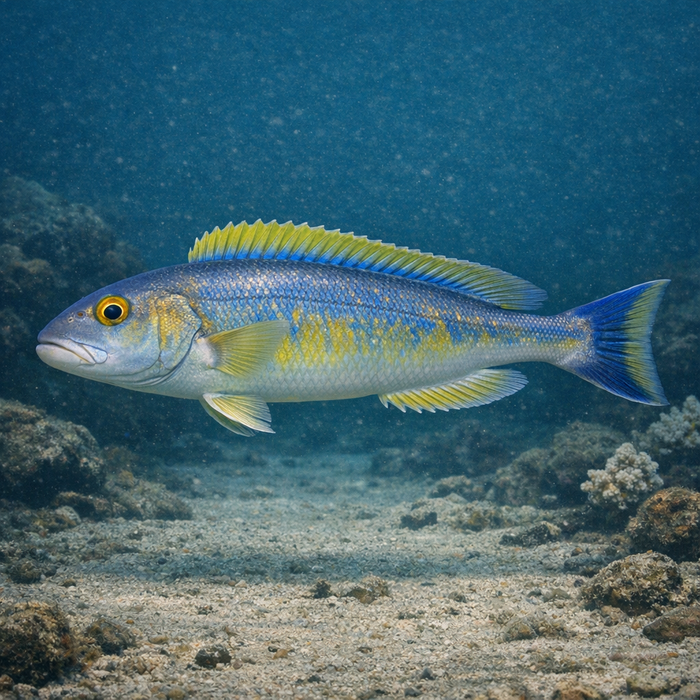
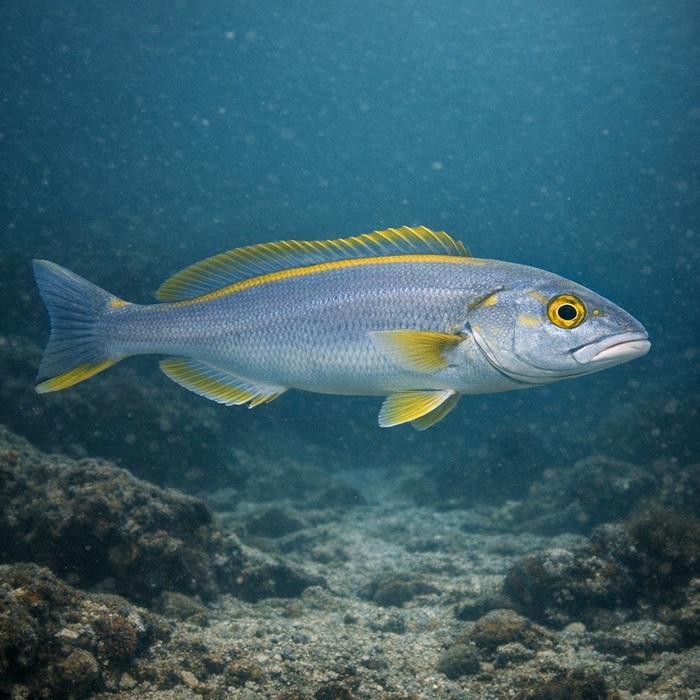
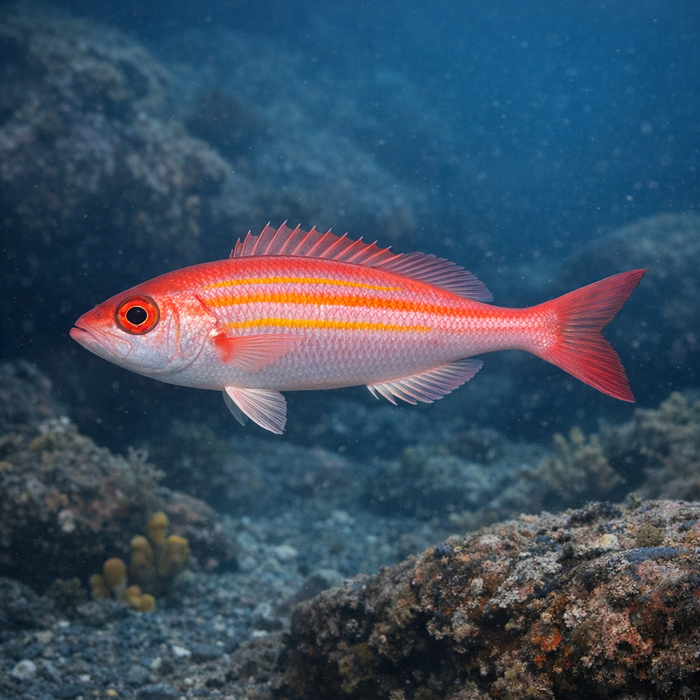
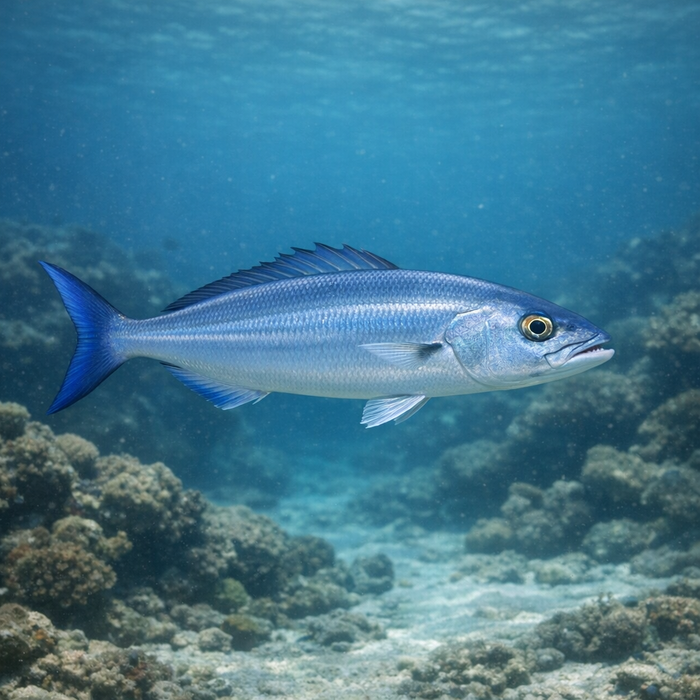
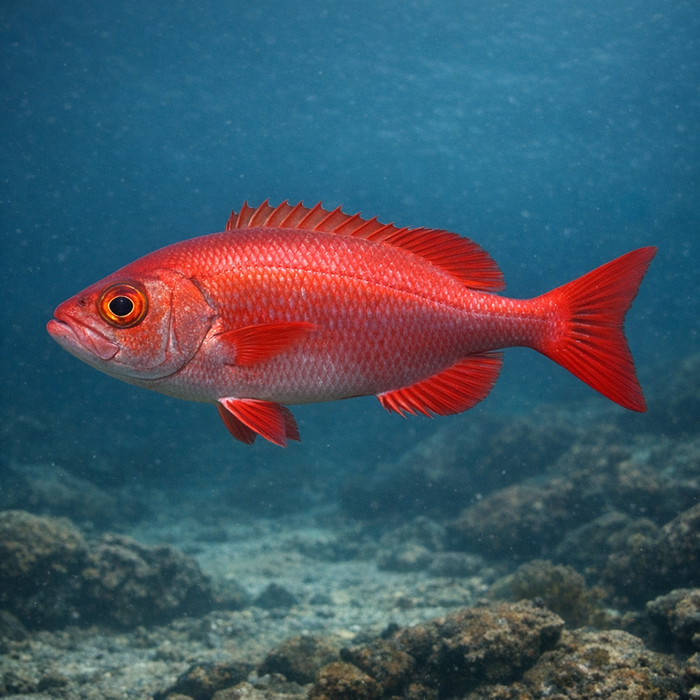
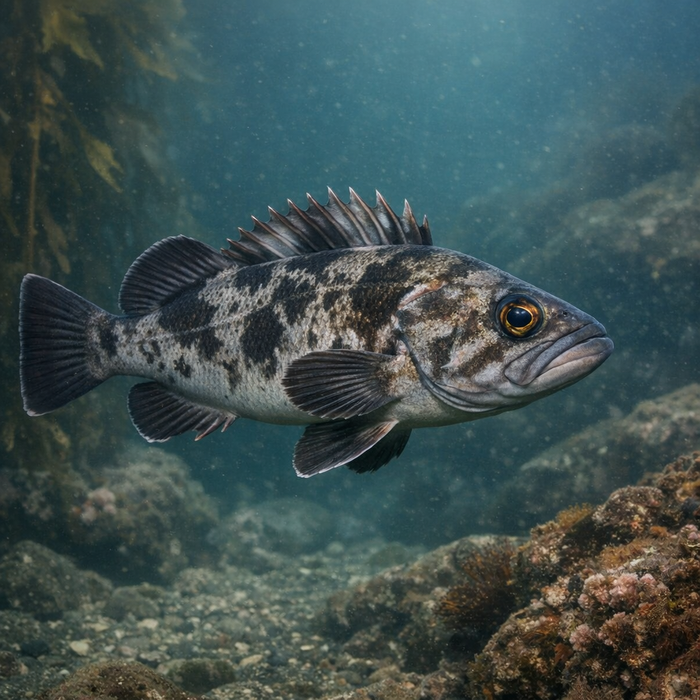
Bighead Tilefish (Caulolatilus affinis): Big Head, Deep Digs, Serious MeatIntroductionThe bighead tilefish is the deep-slope bruiser you did not know you needed on your hit list. It is not flashy like tuna, and it will not tail-walk like a sail, but drop a squid strip into the twilight zone over rugged bottom and you might meet one. Bighead tilefish reward anglers who respect current, angles, and patience. If you want practical Bighead tilefish facts and an honest vibe check on how they behave, settle in.What Makes the Bighead tilefish Unique?Start with the forehead. The species earns its name with a blocky, outsized head and blunt snout, a look that screams bottom specialist. That bulky front end houses serious jaw power for working life close to the substrate. Add in proportionally large eyes tuned to dim blue light, and you get a fish that thrives down where the sun is more rumor than reality. Unlike sprinting pelagics, bighead tilefish fight with stubborn arcs and rhythmic headshakes, a deepwater bulldog more than a sprinter. For the kitchen crew, fillets are snow-white, mild, and surprisingly firm for a fish living hundreds of feet down.Habitat & Global RangeHere is the core of Bighead tilefish habitat: deep continental shelf edges and upper slope structure in the Eastern Pacific. Think broken hard bottom, scattered rock, shell beds, and ledge faces that catch current and concentrate food. They favor depth where light fades fast, typically several hundred feet and beyond, with current moving enough to deliver groceries but not so wild you cannot hold bottom. You will cross paths with them along Baja California and the Gulf of California, down toward Central America and into South American waters, with occasional northern reach toward Southern California when conditions line up. The setup is consistent: contour change plus texture equals tilefish.Behavior & TemperamentBighead tilefish are methodical cruisers that work within a tight altitude above the bottom. They hold near structure but are not glued to one rock; they will pace a ledge or rubble field in short laps, picking opportunities. Schooling is loose and practical, more neighbors than parade formation. Their feeding windows often spike when current taps on the structure just right, and they will happily eat during daylight down deep because there is not much daylight to begin with. Hooked fish do not rocket for open water. Instead, expect steady pressure, stout headshakes, and that slow, grinding tug-of-war that tells you the fight is mostly physics and patience.Ecological ImportanceDown on the slope, bighead tilefish slot into the predator lineup without stealing the show. They convert small fish and invertebrates into calories for larger predators and support a specialized community that relies on hard patches in a sea of soft sediments. Their pelagic eggs ride currents, scattering recruits across enormous stretches of coastline before the juveniles settle and take up bottom life. That life history spreads risk, seeds new habitat, and makes the species resilient to local hiccups when the ocean throws a mood swing.Conservation & Environmental PressuresCommercial and recreational interest for bighead tilefish is modest compared to headline species, which helps. The bigger issues come from the deep itself: sensitivity to barotrauma, dependence on current-swept structure, and vulnerability if gear parks on the same ledges day after day. Climate shifts that tweak upwelling and current patterns can scramble where and when fish concentrate. Regulations often piggyback on broader deepwater complexes. Smart anglers carry descending devices, rotate spots, and release smaller fish quickly to keep the ledges lively.The FishyAF TakeThe bighead tilefish is the blue-collar payoff hiding beneath the charter brochure fish. It is honest work: line straight up-and-down, enough lead to stay vertical, and a bait that rides clean in the flow. It will not blow up your drag, but it will absolutely test whether you can manage angles and current while the boat drifts across the money contour. If you are chasing substance over spectacle, the bighead tilefish delivers. Deep slope, big head, big fillets. That is a trade we will make any day. Want more Bighead tilefish facts or a sharper bead on a ledge to try? Map the breaks, watch the current, and send it straight down.