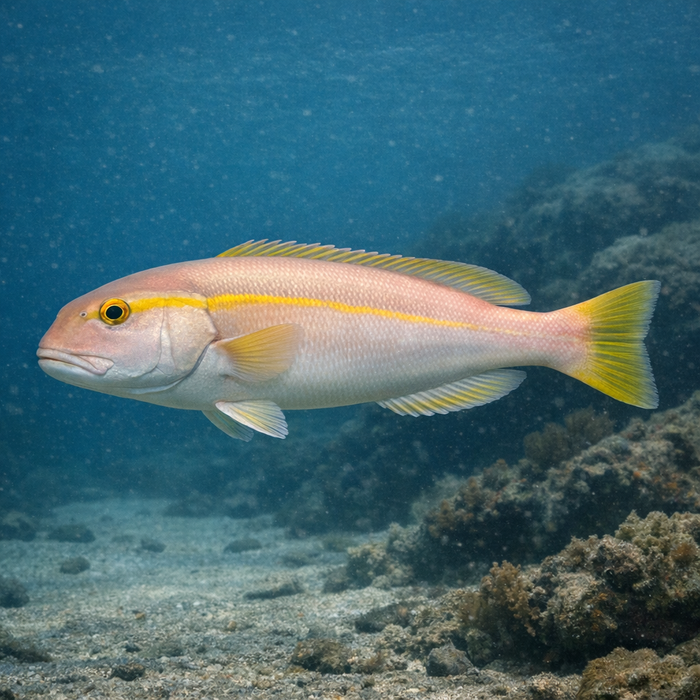
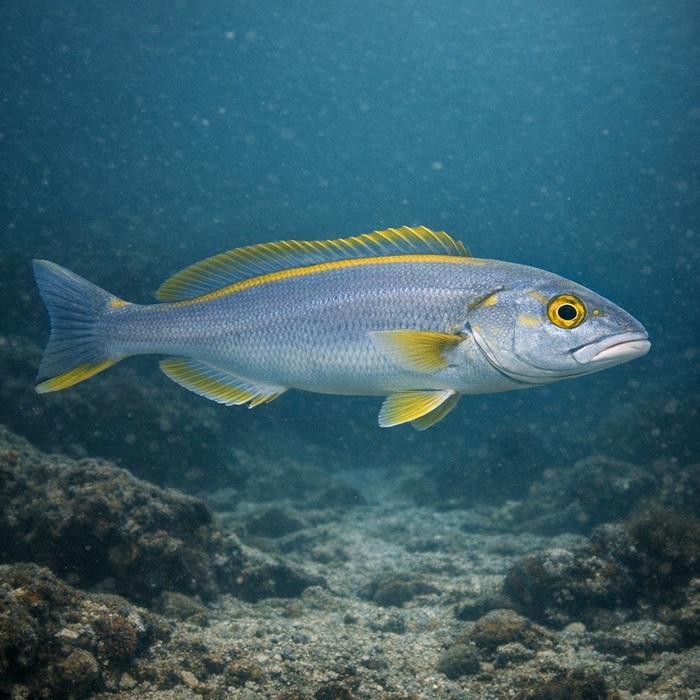
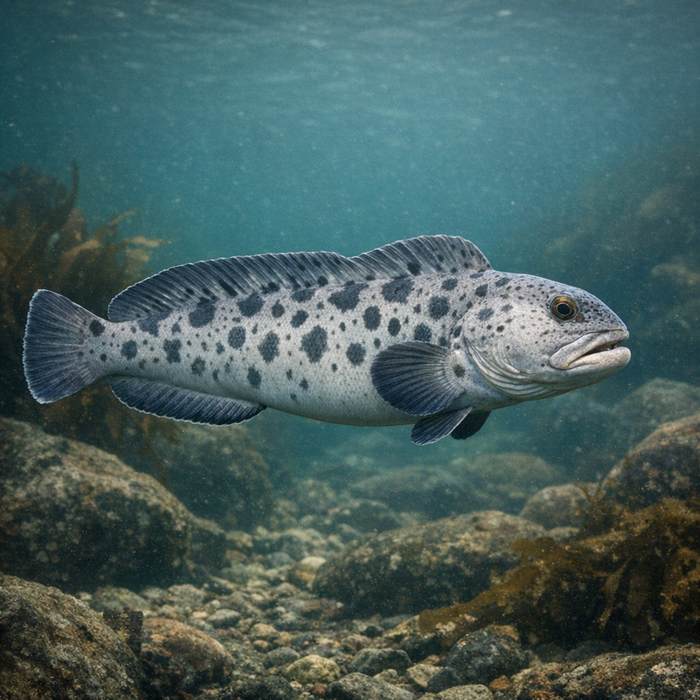
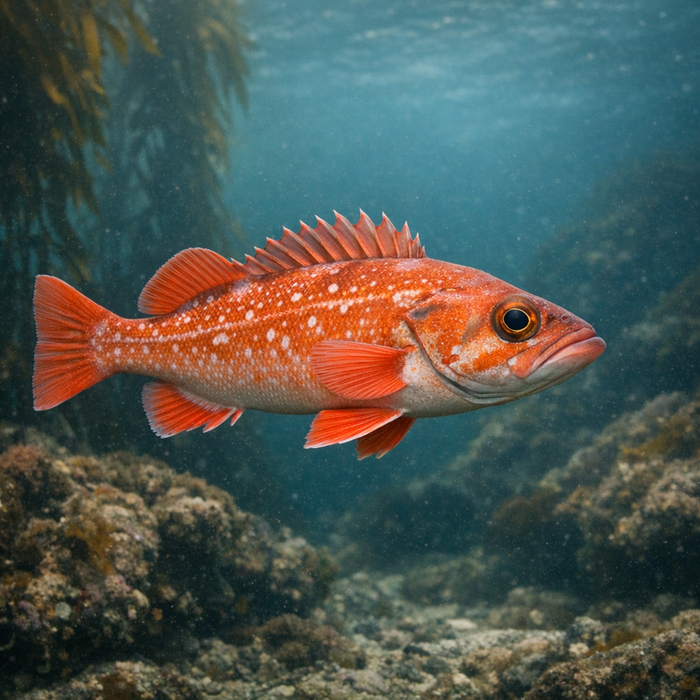
Tile fish (Lopholatilus villarii): Burrow Boss of the DeepIntroductionIf you're into fish that build their own homes, the Tile fish is your new obsession. Lopholatilus villarii is a deep-slope specialist with a work ethic that would shame a beaver, carving chimney-like burrows out of soft sediment and patrolling the edges for anything crunchy. It's not a common headliner, but when you finally meet one on the end of a deep-drop rig, you'll understand why dedicated bottom hunters won't shut up about it. Consider this your crash course in Tile fish facts, flavor, and why these burrow architects matter.What Makes the Tile fish Unique?Start with the real estate. The Tile fish literally reshapes the seafloor, excavating mounds and tunnels that it revisits for years. That level of site fidelity is rare and gives anglers a huge clue: once you've mapped a productive patch of burrows, you're in the game. Then there's the look. A near-continuous dorsal fin, oversized eyes tuned for low light, and iridescent tones that flash turquoise and lemon when they first surface. Add in a soft nuchal crest that inspired the genus name Lopholatilus and you've got a fish with personality. Factor in steady, stubborn fights from deep water and you get a species that rewards precision more than brute force.Habitat & Global RangeTalking Tile fish habitat means talking depth and edges. Lopholatilus villarii thrives along continental shelf breaks and upper slopes, where soft mud or sand meets scattered hardbottom and shell rubble. Think 200 to 600 meters for the main show, sometimes shallower or deeper depending on currents, oxygen, and food. Its stronghold is the Southwest Atlantic off Brazil, with productive stretches around banks, canyons, and seamounts. The combination of soft sediment for burrowing and nearby relief for feeding lines up perfectly with their daily routine. If there's gentle current, stable bottom temps, and a buffet of crabs, shrimp, and snails, expect a resident population.Behavior & TemperamentThe Tile fish is a methodical operator. It spends most of its time near bottom, commuting between burrow and buffet line, and it doesn't roam far once it's homed in. Many fish pair up or form loose neighborhoods, which is why sonar screens sometimes show tight clusters along the slope. They're not savage sprinters, but they hit baits decisively and fight with dogged, upward head shakes. Day or night, steady current turns on the feed; ripping flow or slack water tend to kill the mood. Hooked fish often try for a last-second dive into burrows, so keep pressure constant and winch with purpose.Ecological ImportanceBurrow building isn't just a quirk. It aerates, mixes, and structures the seabed, creating microhabitats for invertebrates and small fishes. The Tile fish is a living excavator, and its neighborhood upgrades ripple through the community. Predators like groupers and deep-dwelling sharks patrol these same edges, and the tilefish's shell-cracking diet helps cycle calcium and carbon from hard-shelled prey back into the food web. Long lives and slow growth mean each adult represents years of investment by the ecosystem, which is exactly why mindful harvest matters.Conservation & Environmental PressuresLopholatilus villarii isn't front-page news, and that's a mixed bag. Low press can mean lower pressure, but it also means fewer data and fuzzier stock pictures. Deep-set longlines and bottom gear can pick them up as target or bycatch, and heavy trawling over soft bottoms obviously trashes their carefully built burrows. Oil and gas work on some slopes adds noise, habitat alteration, and the occasional mess no one wants to talk about. Climate shifts that change oxygen or current patterns can squeeze livable pockets. Smart management, spatial protections around sensitive bottoms, and conservative personal limits keep the species off problem lists.The FishyAF TakeThe Tile fish is the blue-collar legend of the slope: digs all day, eats hard food, minds its burrow, and throws a stubborn, satisfying fight. It's not flashy like pelagics or moody like reef snobs, but it rewards anglers who do their homework. Get the depth right, map the mounds, watch your drift, and it's amazing how "rare" suddenly turns into "repeatable." For anyone chasing deep-drop variety or building a personal playbook of underloved bottom targets, the Tile fish deserves a star. Study the habitat, respect the fish, and your cooler - and conscience - will both feel pretty good.