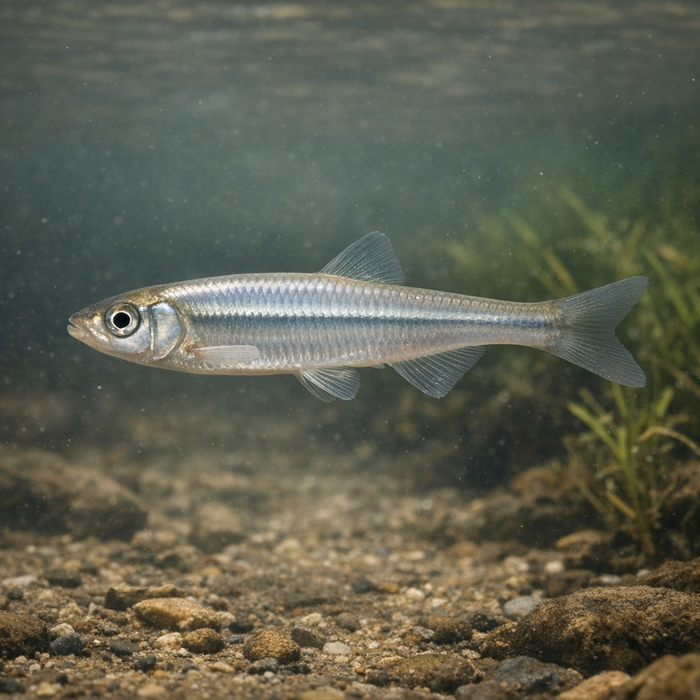
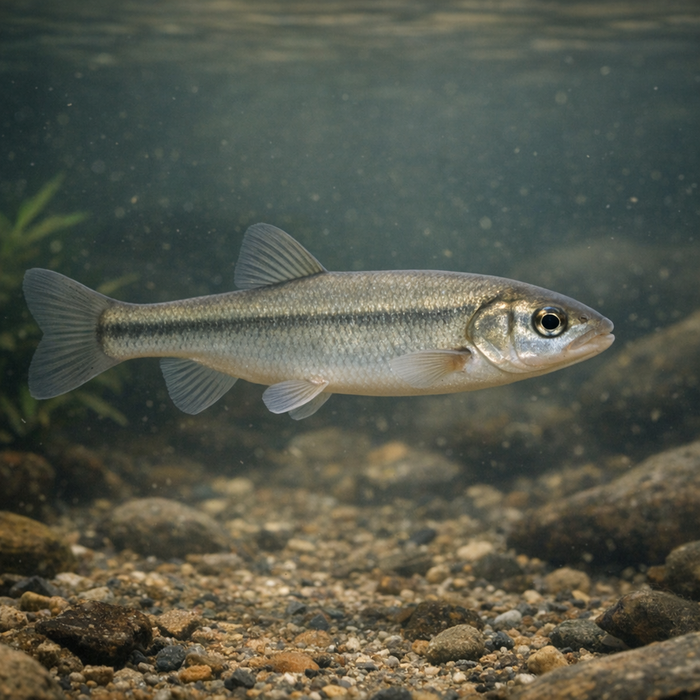
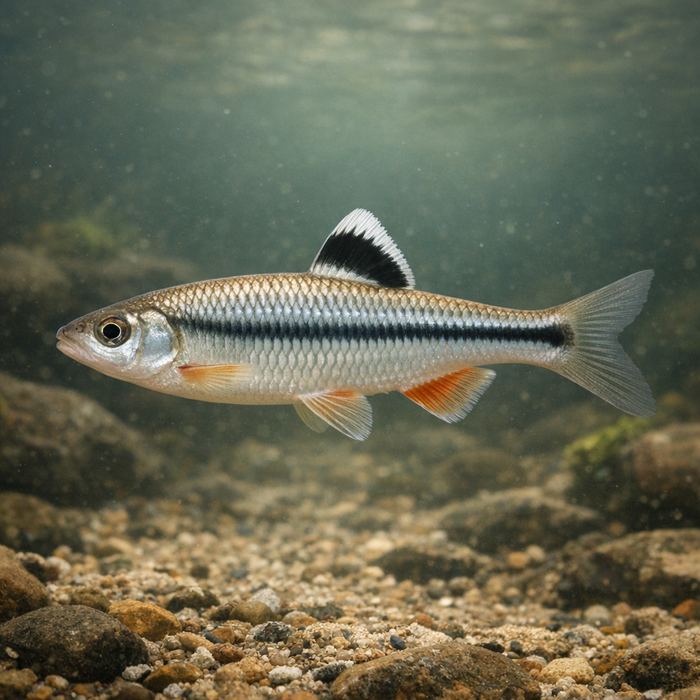
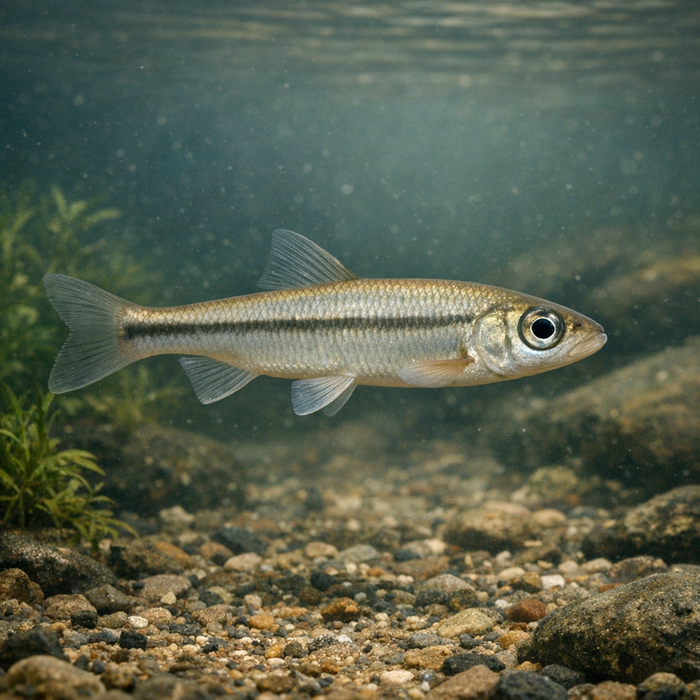
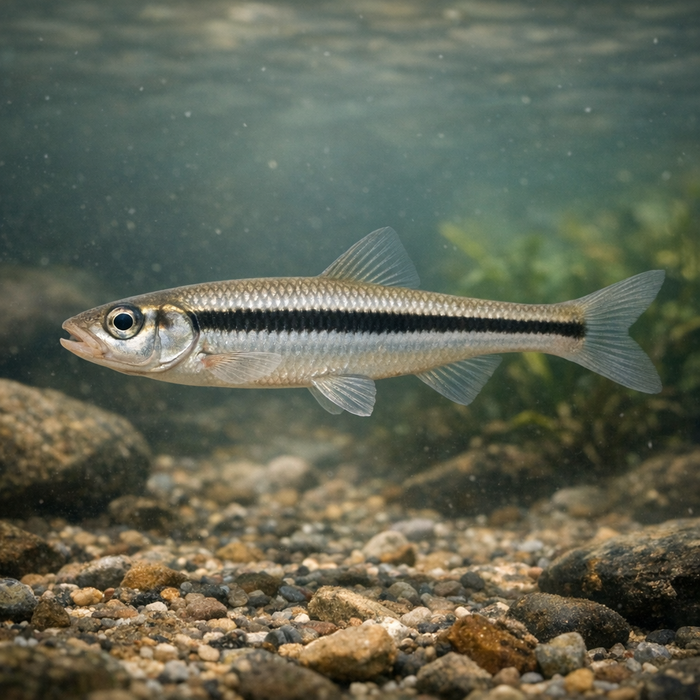
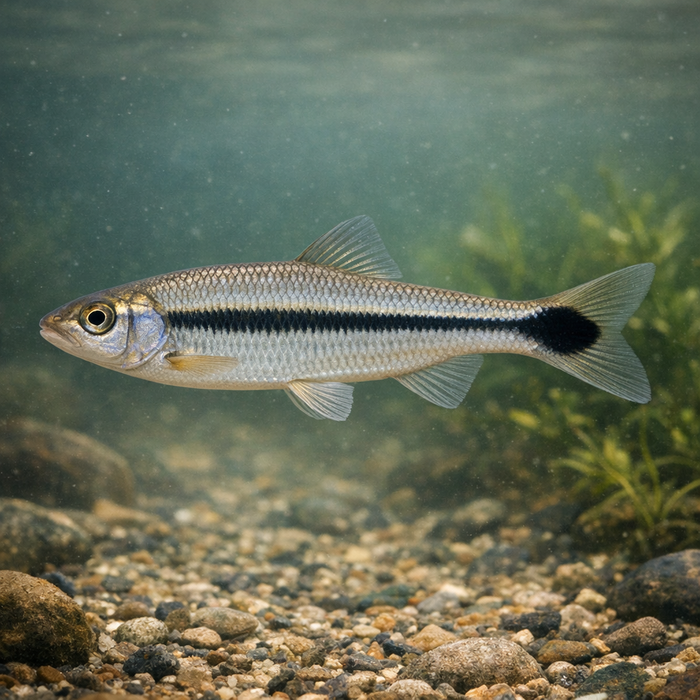
Steelcolor Shiner (Cyprinella whipplei): A Bold, Memorable Hook LineIntroductionThe steelcolor shiner is the flashy understudy of Midwestern riffles, built for current and always on the move. Small? Absolutely. Forgettable? Not a chance. When the light hits them right, they gleam like sharpened cutlery and vanish just as fast. If you're curious about microfishing or just want to understand the life beating beneath those sparkling riffles, the steelcolor shiner is your gateway species. Here's the good stuff, minus the fluff, plus a few steelcolor shiner facts to tighten your river game.What Makes the Steelcolor shiner Unique?First, breeding-season swagger. Males turn a slick, gunmetal sheen with orange accents and sprout tiny head tubercles, then stage in colonies over rock ledges. Second, their nest strategy is clever: adhesive eggs tucked deep into crevices, far from the buffet line of riffle egg-thieves. Finally, their build is pure current tech. A streamlined body and quick-twitch turns help them hold in fast water that exhausts bulkier fish.Habitat & Global RangeCall it the heartbeat of the Mississippi Basin. The steelcolor shiner thrives in clear, moderate to fast streams with gravel, cobble, or bedrock. You'll see the best numbers in Ozark and Midwest streams with solid flow and clean substrate. They tolerate modest reservoirs and larger river runs too, especially where rocky bars break current. If you're scouting steelcolor shiner habitat, look for riffle-run complexes with defined seams, knee-deep water, and that sparkling clarity that says the rocks aren't choked with silt.Behavior & TemperamentSchooling is their superpower. A dozen becomes a hundred in a blink, sliding from midwater to surface when drifted insects stack up. They're quick to spook in glass-clear water, but just as quick to settle if you back off and let the current deliver a bite-sized offering. Spawning kicks in late spring into summer as temperatures rise, with males defending slivers of rock real estate. They're opportunistic, picking invertebrates from the drift and grazing biofilm when the pickings are slim.Ecological ImportanceThe steelcolor shiner is both barometer and bridge. Clean water and open rock are non-negotiable, so their presence screams healthy stream. As mid-level omnivores, they convert drifting bugs and algae into high-octane groceries for smallmouth, spotted bass, and darter-loving predators. They're a keystone snack in a lot of river stories, and when they disappear, it's usually a warning about sediment, chemistry, or flow.Conservation & Environmental PressuresThey're listed as Least Concern overall, but that's not a free pass. Excess silt buries nest crevices, stormwater spikes knock out egg cohorts, and low oxygen in warm, stagnant pools turns a school into a memory. Dams and poorly timed flow releases can disrupt spawning habitat. Most trouble starts on land: eroding banks, busted riparian buffers, and nutrient-heavy runoff. If you keep steelcolor shiner habitat intact, they'll usually handle the rest.The FishyAF TakeThe steelcolor shiner is the fish you start noticing once you've learned to actually look. For micro anglers, it's a perfect target: honest current, clean presentations, instant feedback. For everyone else, it's a lesson in how riffles work. No, it won't peel drag, but it will sharpen your stealth, your reading of seams, and your appreciation for what makes river fish tick. Learn this species and you'll fish better for everything else that hunts them. That might be the sneakiest win of all for a fish this small.