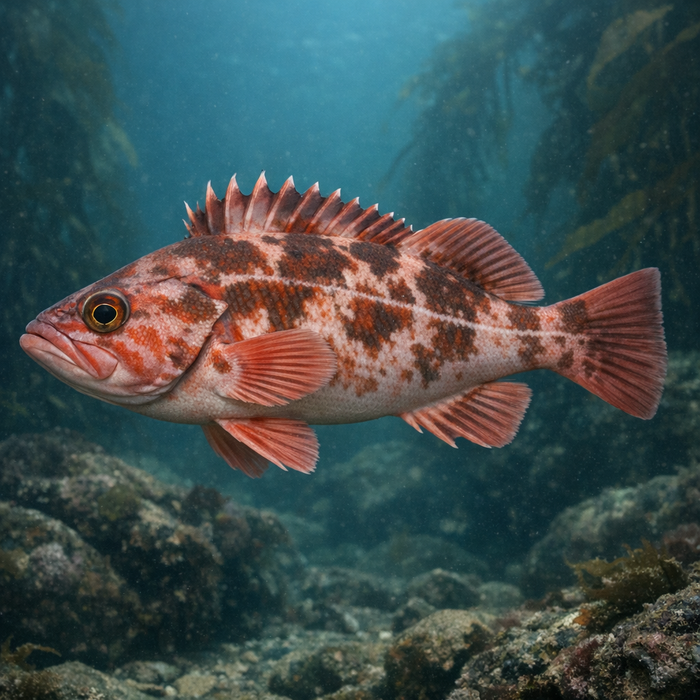
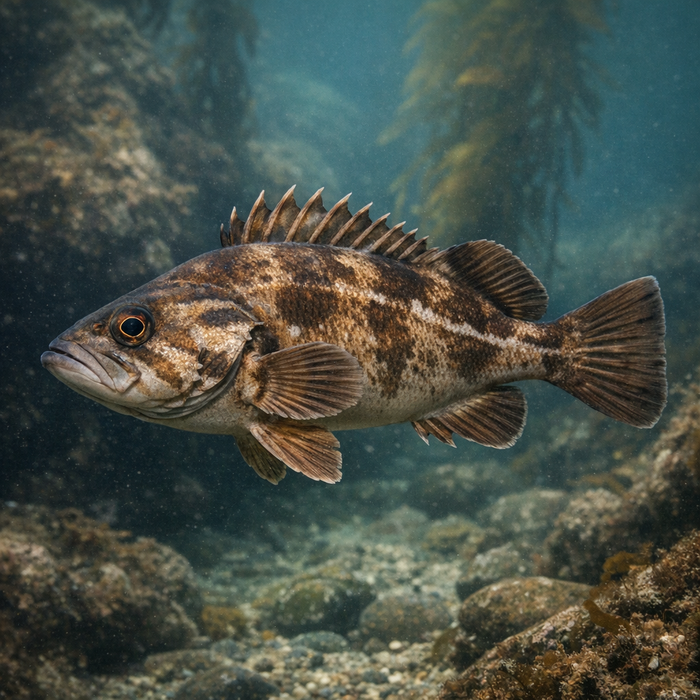
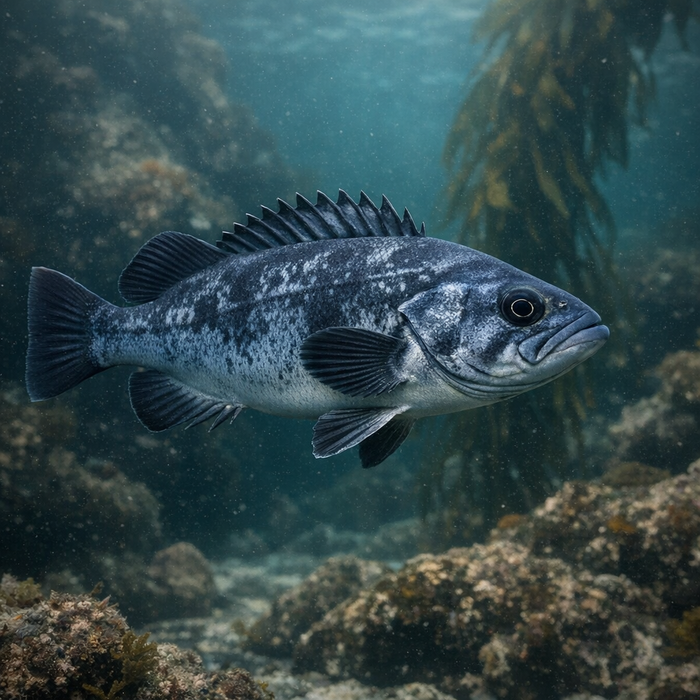
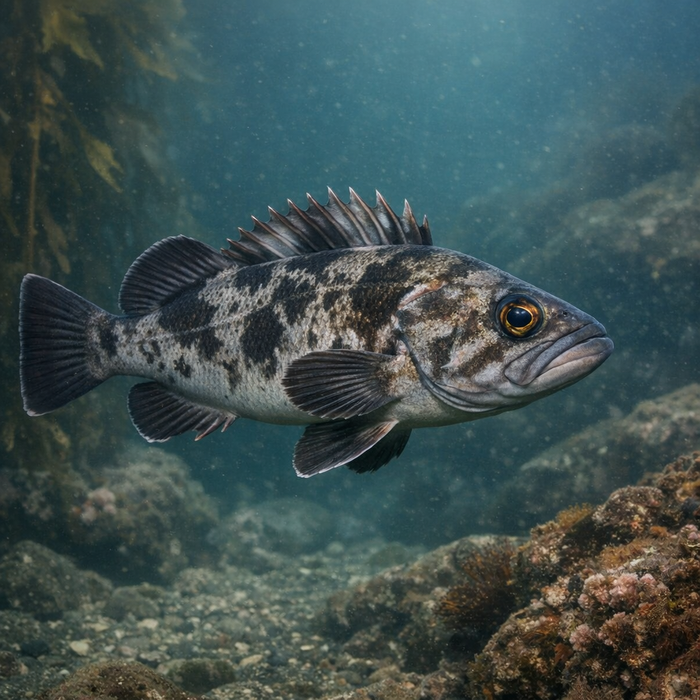
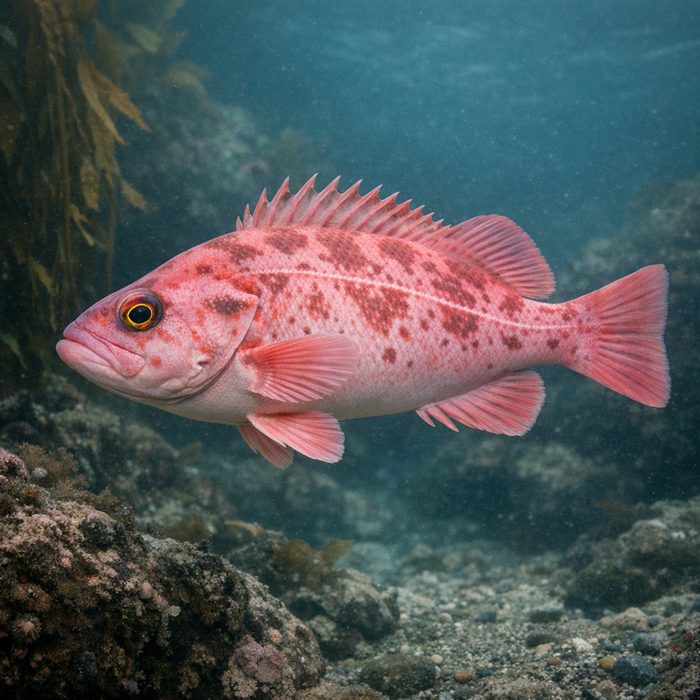
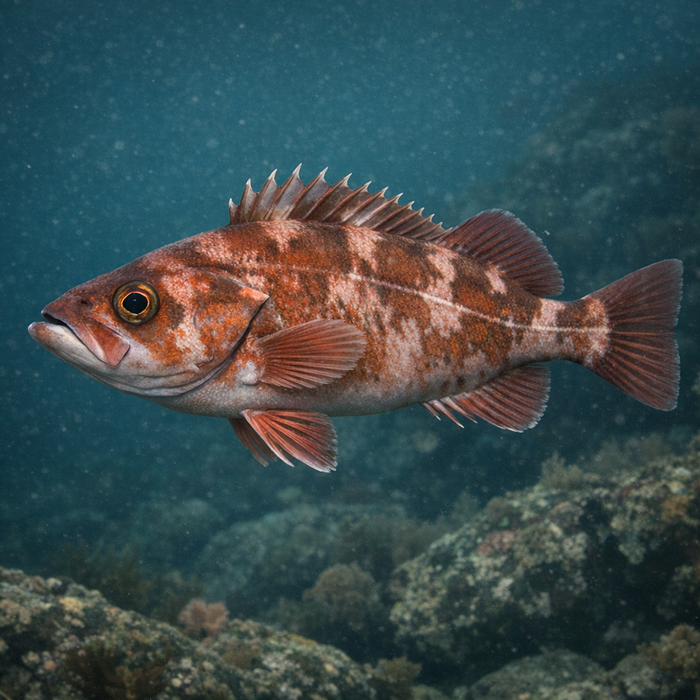
Stripetail Rockfish (Sebastes saxicola): A Bold, Memorable Hook LineIntroductionThe stripetail rockfish is the unassuming hard worker of the Pacific reef scene: small, stackable, and always on task. You don't book a trip just for stripetail rockfish, but when the captain marks a tight ball on the sounder over rough bottom, they're often the fish making your rod tip chatter. Want stripetail rockfish facts without a nap? Here's the punch: they're live-bearers, long-lived for their size, and locked to structure like it owes them money.What Makes the Stripetail rockfish Unique?First, that tail. The common name isn't poetry; the caudal fin shows pale horizontal striping that holds even when body colors mute with depth. Second, they're viviparous. Instead of laying eggs, females release live larvae, a power move in winter that boosts early survival when the plankton buffet is on. Third, for a fish that rarely tops a pound, stripetail rockfish age surprisingly well, with lifespans stretching beyond two decades. That combo of distinctive look, reproductive strategy, and longevity makes this little rockfish stand out.Habitat & Global RangeThe stripetail rockfish works the northeastern Pacific, from Alaska down the West Coast into Baja California, favoring the continental shelf's rough stuff. Think rocky reefs, cobble tongues, broken ledges, and the shoulders of submarine canyons. If you're building a "Stripetail rockfish habitat" profile, picture relief and current. They hold near bottom in 100 to 600 feet for many anglers, deeper in places, and often mix with other small-bodied rockfishes in loose schools. Juveniles start life offshore and settle deeper than your average nearshore kelp resident, sneaking into gaps and folds where crustaceans crawl.Behavior & TemperamentStripetail rockfish aren't roadrunners; they're sit-and-nip predators. Daytime sees them posted tight to rock, picking at amphipods, shrimp, and tiny fishes. At night they lift off the deck to prowl midwater, snapping krill like popcorn. They school, but not with the frantic swirl of pelagics; it's more like a patient clump over a promising boulder pile. Hook one and you'll get honest head shakes and a determined pinwheel, then they plane up without much drama. Call them polite fighters that make up in numbers what they lack in theatrics.Ecological ImportanceThe stripetail rockfish is a key middle link on the reef. It converts small crustaceans and planktonic fare into protein packets for bigger predators, including lingcod and larger rockfishes. As a live-bearer, it times larval pulses with seasonal plankton booms, feeding the machine that powers productive shelf ecosystems. Because they gather around specific structures, they spread predation pressure across a reef's microhabitats instead of hammering a single patch, keeping the bottom community balanced.Conservation & Environmental PressuresRockfish management along the West Coast has tightened greatly, with closed areas, depth constraints, descending device rules, and complex species group limits. While the stripetail rockfish isn't the headline concern, it rides inside the same regulatory rollercoaster as its cousins. The main pressures are habitat degradation on high-relief bottoms, incidental trawl bycatch, and misidentification in catches that muddies stock data. Climate whiplash also plays a role; warm-water anomalies push prey around and can shuffle depth distributions. The upside: conservative groundfish rebuilding efforts have improved many stocks, and careful handling plus descending gear helps survival.The FishyAF TakeThe stripetail rockfish won't blow up your social feed, but it will quietly fill the cooler and keep rods bent. It's the blue-collar hero of mixed-bag rockfish stops. For anglers who notice details, it's also a tidy case study: sharp tail stripes, live-birth strategy, and deep-settling juveniles add texture to what might otherwise be "just another little rockfish." If you're the kind who loves reading bottom, threading jigs through craggy lanes, and feeling that tap-turns-to-weight moment, the stripetail rockfish is your people. File it under underrated, dependable, and worth knowing beyond the name on the fillet bag. And if you're hunting stripetail rockfish facts or scouting new stripetail rockfish habitat, start with relief and current, then let the sounder tell the rest of the story.