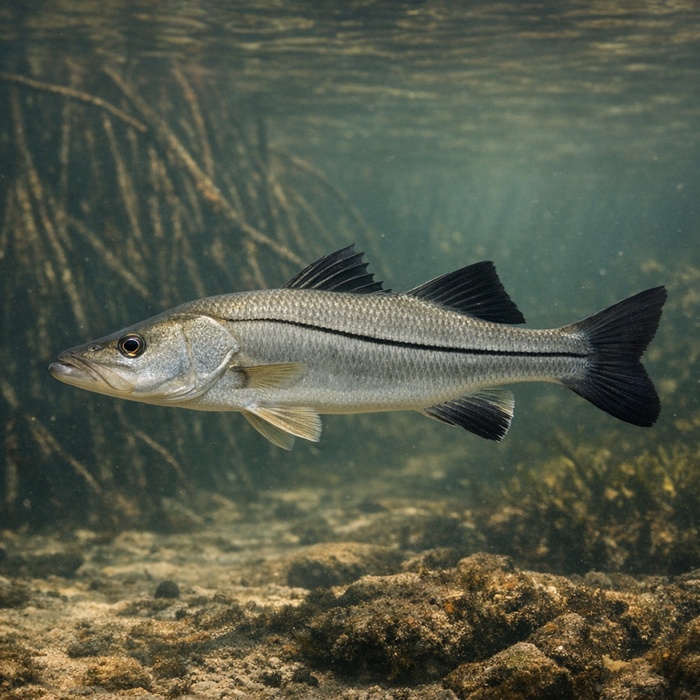
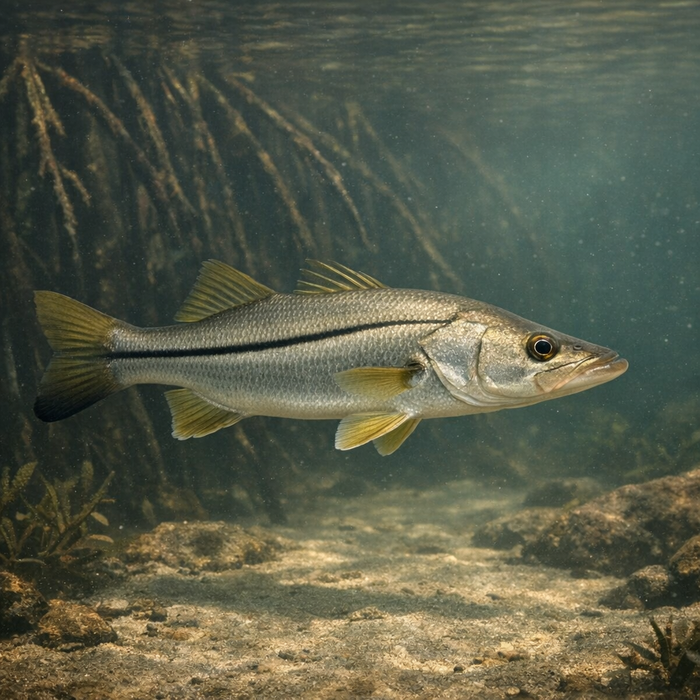
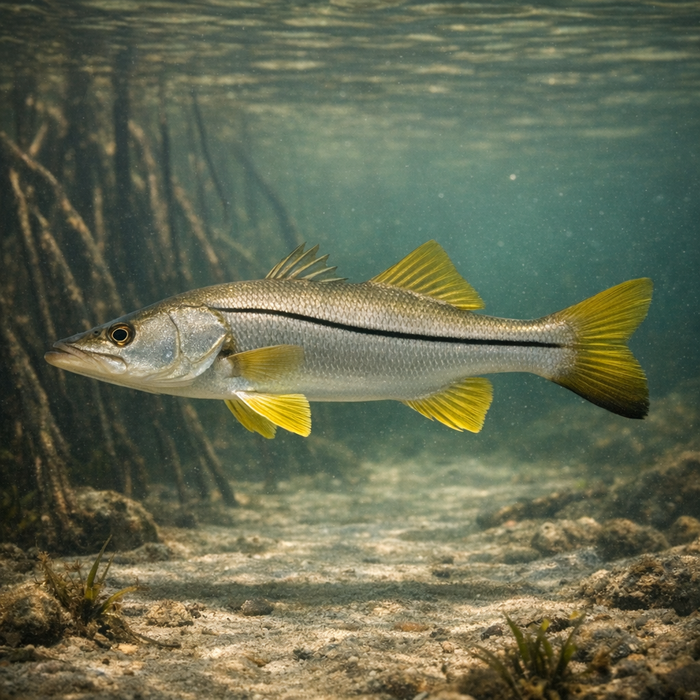
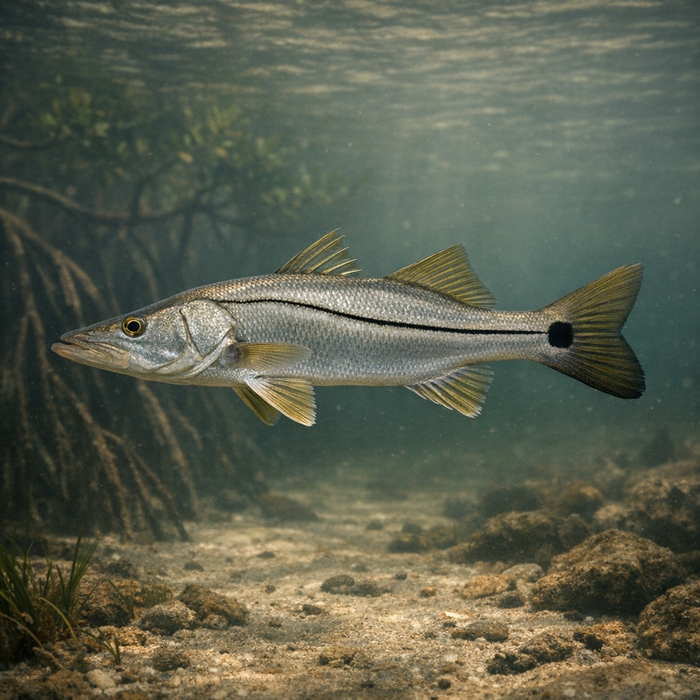
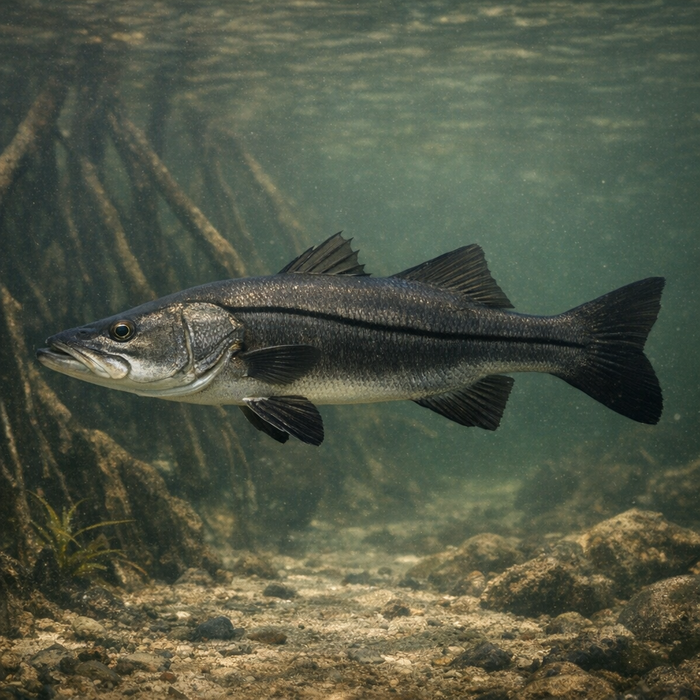
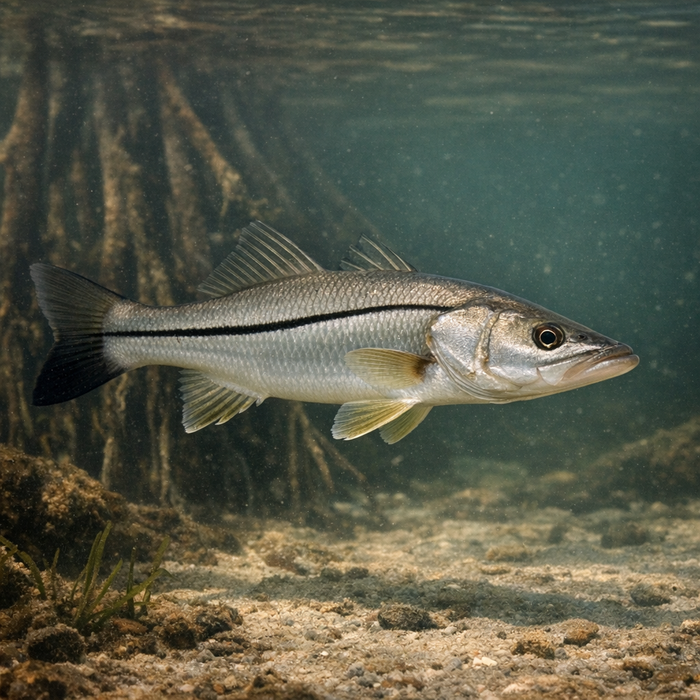
Swordspine Snook (Centropomus ensiferus): A Bold, Memorable Hook LineIntroductionIf you like your inshore fish with attitude packed into a smaller frame, the swordspine snook is your kind of trouble. It looks like a snook, fights like a snook, acts like a snook, then flashes a dagger-like fin spine that says do not underestimate me. In tight mangrove alleys and at river mouths frothing with bait, this species delivers classic snook behavior in a compact, sneaky package.What Makes the Swordspine snook Unique?Start with the name. This fish sports an exaggerated second anal-fin spine that projects like a tiny rapier, an instant tell that separates it from other Centropomus. It is also one of the smaller snook species, which means more action on light gear and less waiting for a once-a-year monster. Yet small does not mean soft. The swordspine snook hits fast, uses structure like a street fighter uses an alley corner, and punishes sloppy anglers. If you are chasing real Swordspine snook facts, the spine, the size, and that unapologetic snook swagger are the headliners.Habitat & Global RangeThe swordspine snook is an inshore specialist tied to brackish water, mangrove creeks, lagoon edges, and surf zones around river mouths. Think Caribbean and tropical Atlantic coasts of Central and northern South America, places where rain pulses push tannic water into the sea and create bait-rich seams. They slide with the tides, pop up in ankle-deep mangrove puddles after a blow, then ghost back to channels when water drops. If you are scouting Swordspine snook habitat, focus on soft-bottom creeks, mud-sand shorelines, mangrove prop roots, and the first surf trough outside a river plume.Behavior & TemperamentEverything about this fish screams ambush. The swordspine snook uses edges, shade, and current breaks to control the fight before you even make a cast. It feeds in bursts during moving water, often with visible flashes and subtle pops rather than explosive chaos. Low light is prime time. Night around bridges and creek mouths can produce eerie eye shine long before a strike. Compared to heavyweight snooks, the swordspine relies more on angles than horsepower, slamming baits, darting sideways, and sawing you off on mangrove roots if you give it an inch.Ecological ImportanceAs a mid-tier coastal predator, the swordspine snook links mangrove nurseries, estuaries, and surf lines. It keeps small baitfish and shrimp populations honest while serving as prey for bigger coastal hunters. That constant shuttling between salinities makes it a great indicator for the health of mangroves and river plumes. When the creeks run clean and the tides breathe, swordspine snook numbers and behavior tell you the system is working.Conservation & Environmental PressuresMangrove clearance, polluted runoff, and altered freshwater flow do more damage to swordspine snook than any single angler could. They need that brackish gradient, the tannic cover, and the flooded edge habitat to thrive. Overfishing is localized and usually secondary to habitat hits. The smarter play is protecting water quality, preserving mangroves, and maintaining natural river flow so these fish can do their seasonal shuffles without running into a dead end.The FishyAF TakeThe swordspine snook is proof you do not need a 40-inch thug to have premium inshore fun. This species serves up all the snooky hallmarks on gear you can cast all day. It rewards sharp presentations, punishes laziness, and thrives in places that smell like tidal mud and mangrove leaves. If you crave stealthy strikes and technical bites more than grip-and-grin hero shots, the swordspine snook is your mischievous partner in crime. Learn the edges, respect the tides, keep your leader clean, and do not grab that gill plate like a rookie. You wanted snook with personality. Here it is.