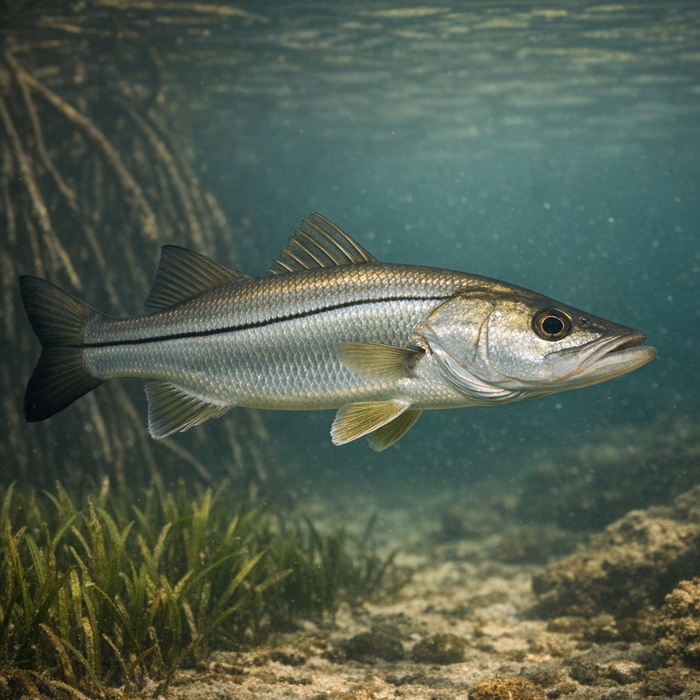
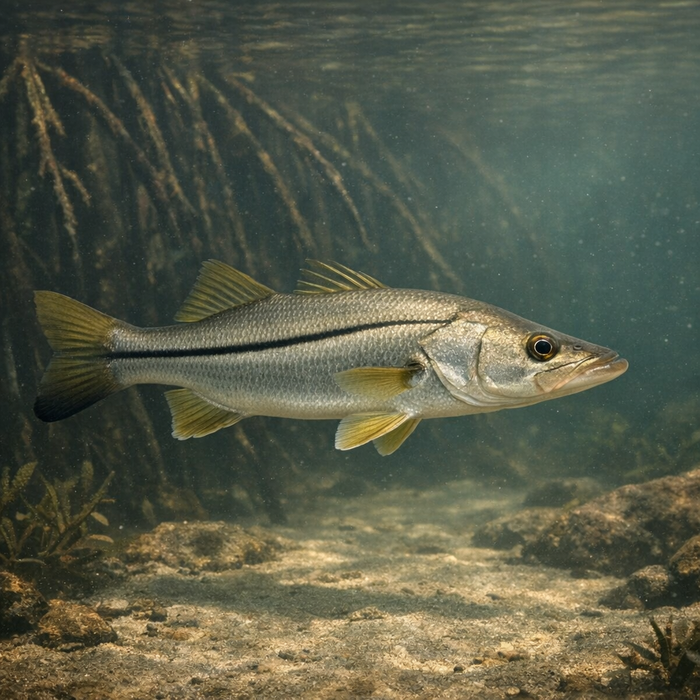
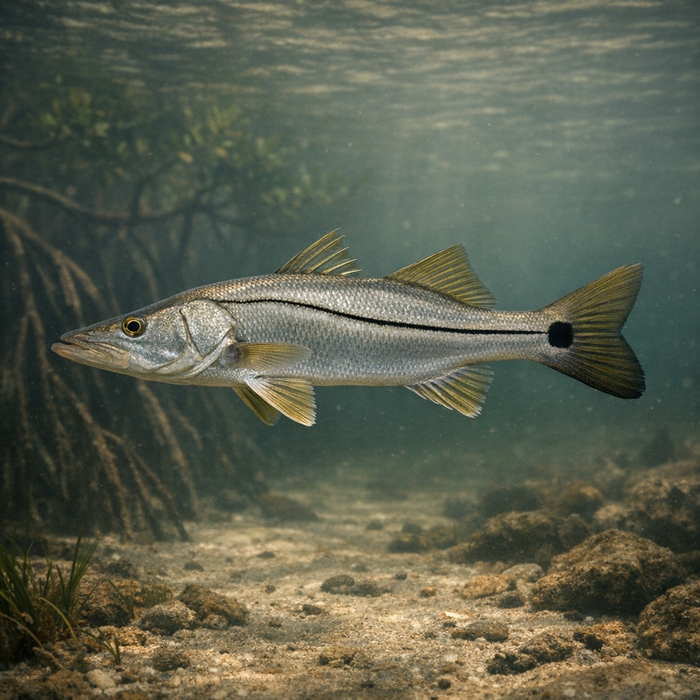
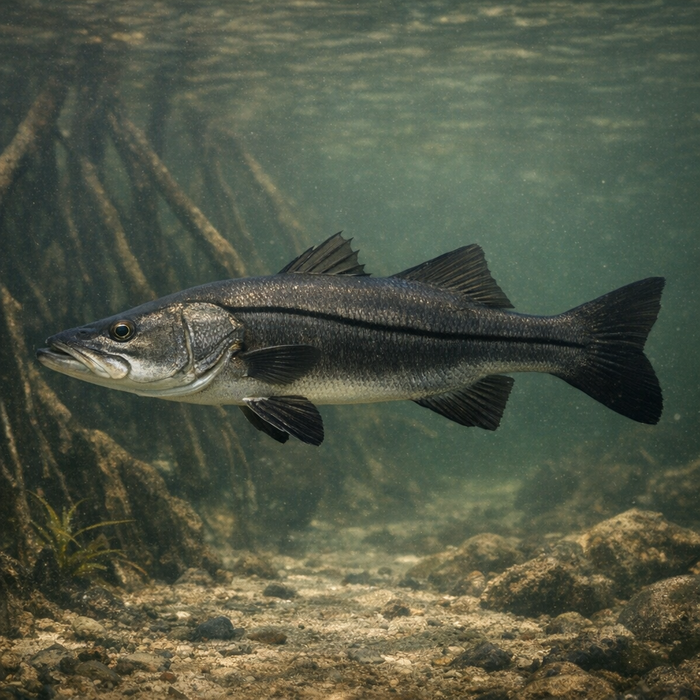
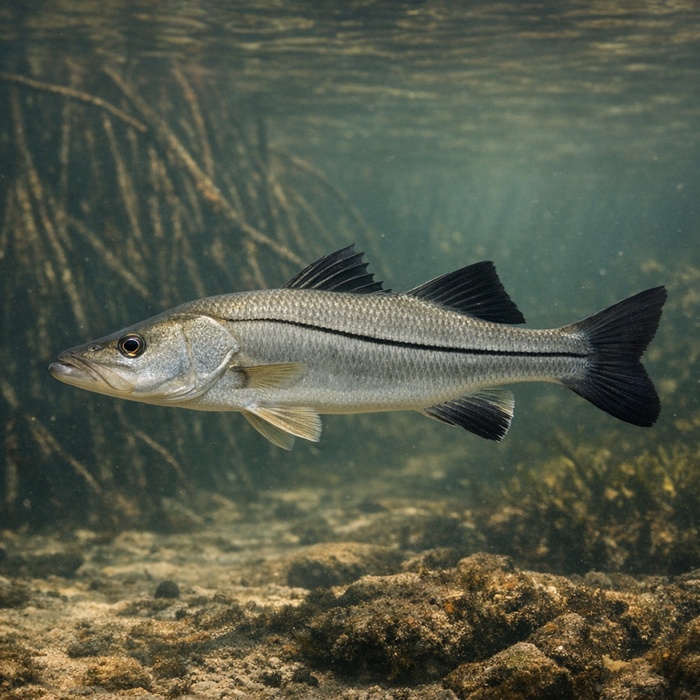
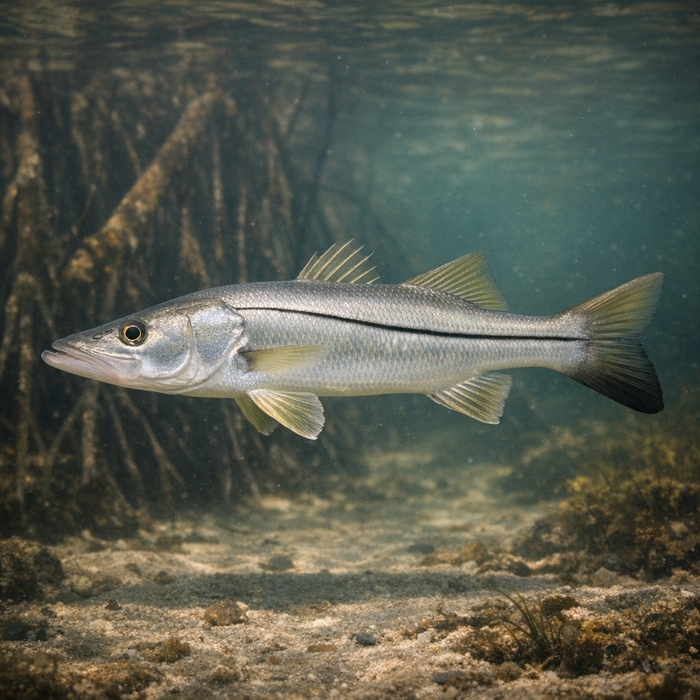
Union snook (Centropomus unionensis): Surf-born bruiser with mangrove mannersIntroductionThe Union snook is the kind of inshore predator that shows up where river water turns coffee-brown and the tide breathes hard. One minute it's ghosting through mangrove roots, the next it's strafing bait on a sandbar rip. Not as famous as its Atlantic cousins, but if you fish Pacific river mouths and lagoons, this snook is the shadow you keep seeing out of the corner of your eye.What Makes the Union snook Unique?Start with the name. Union snook likely nods to the Río Unión in southern Mexico, a fitting tribute to the junction where freshwater plots with the sea. Like other Centropomus, it's a protandric hermaphrodite, meaning many fish start male and switch to female as they stack on size and age. That sex change fuels population resilience when habitat stays healthy. Add their vacuum-suction strike and a habit of feeding tight to cover, and you've got a bruiser with delicate instincts. Finesse them or go home.Habitat & Global RangeWhile "snook" often screams Florida in an angler's brain, the Union snook works the Pacific side, especially estuaries, mangrove lagoons, and surf-churned river mouths from Mexico through parts of Central America. Think tea-stained edges, undercut banks, and tidal funnels where shrimp, sardines, and mullet get pinned. Union snook habitat is dynamic as hell: salinity flips, river outflows blow hot and cold, and rainy-season floods rearrange the furniture overnight. That's part of the appeal. They handle salinity swings, roam between brackish edges and nearshore surf, and push into lower rivers when rains open pathways. If you're hunting Union snook facts, start with the tide chart and a map dotted with mangroves.Behavior & TemperamentThey're classic ambush predators with mood swings. On a flood tide they'll cruise edges and choke points, hitting like a dropped anvil. Flat water and bright sun? Suddenly they're PhD-level wary, inspecting leaders and shadow lines before committing. Union snook are notorious for using structure like it owes them rent-root systems, pilings, logjams, even the lip of a sandbar. They'll pin bait high in the water and detonate topwater, then sulk mid-column the next hour. Feeding windows tend to compress around tide changes, low light, or when river plumes pack bait tight. When you hook one, expect gill-rattling head shakes and a sprint straight for whatever's most likely to cut you off.Ecological ImportanceThe Union snook sits in the predator seat of the estuary food web. It keeps baitfish, shrimp, and small crustacean populations in check while ferrying energy between fresh and salt habitats. That movement makes it a biological courier for nutrients and a poster child for connected waterways. Juveniles take shelter in mangrove mazes and saltmarsh ponds, habitats that also buffer storms, trap sediment, and raise water quality. Healthy snook fishing and healthy estuaries are the same story told two ways.Conservation & Environmental PressuresHere's the rub: species-level data for Union snook can be thin, and misidentification with other Pacific snook muddies the water. Pressures stack up fast-mangrove clearing, blocked fish passage, overharvest in concentrated surf runs, and silt-choked nursery creeks. Because big females drive reproduction, killing a few heavy fish can hollow out a local stock. Add warmer waters and erratic rains, and timing cues for spawning and migration can slide off schedule. The result: feast-or-famine fishing that masks long-term decline until it's hard to fix.The FishyAF TakeThe Union snook is a thinking angler's fish with a mean streak. Show up with loud tackle and lazy presentations, and it vanishes into the tannin. Bring stealth, tide sense, and the right leader, and it flips a switch from ghost to gladiator. If you care about Union snook habitat, you care about mangroves, free-flowing river mouths, and leaving the big mamas to make more mamas. Fish smart, keep your thumbs out of the gill plate, and respect the tide. This snook rewards patience and punishes shortcuts, which is exactly why we like it.