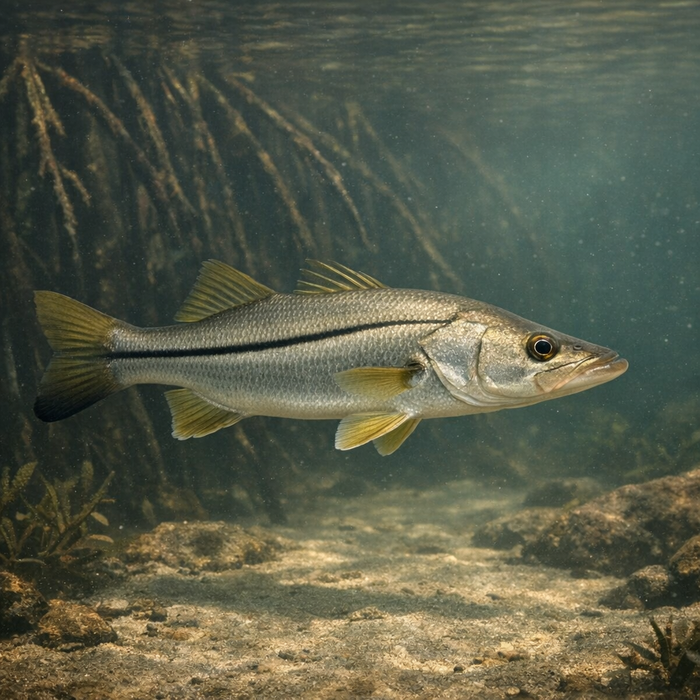
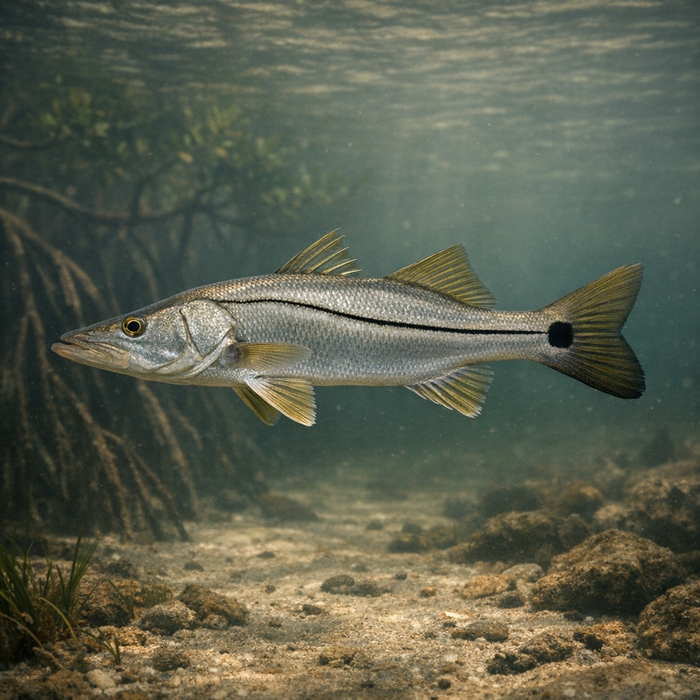
Tarpon snook (centropomus pectinatus): Mini tarpon looks with full-on snook attitude
Introduction
Meet the inshore curveball that keeps mangrove addicts honest. The tarpon snook blends the silver swagger of a tarpon with the dirty-trick instincts of a snook. It’s an ambush sprinter, a structure hugger, and a master of using tide and murky water to mug bait. If you like tight casts, slick footwork on the bow, and sudden cartwheels in shallow water, the tarpon snook fits your brand of chaos.
What Makes the Tarpon snook Unique?
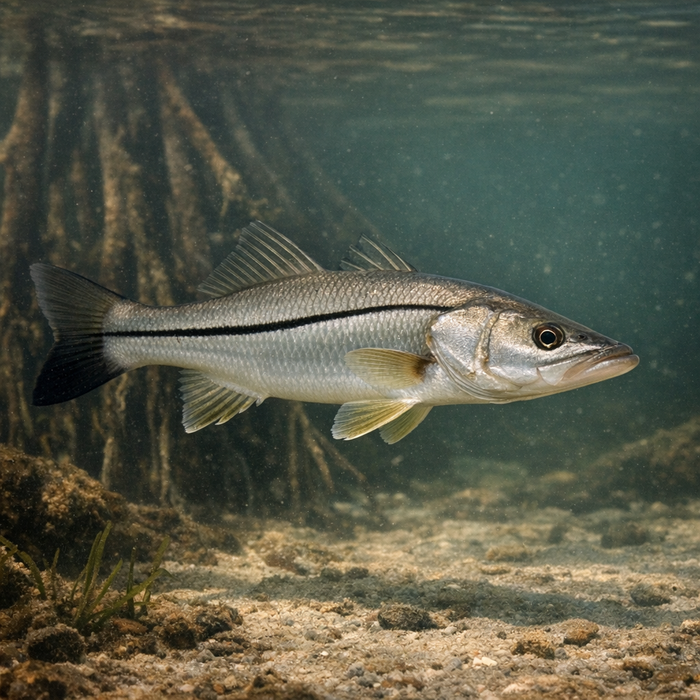
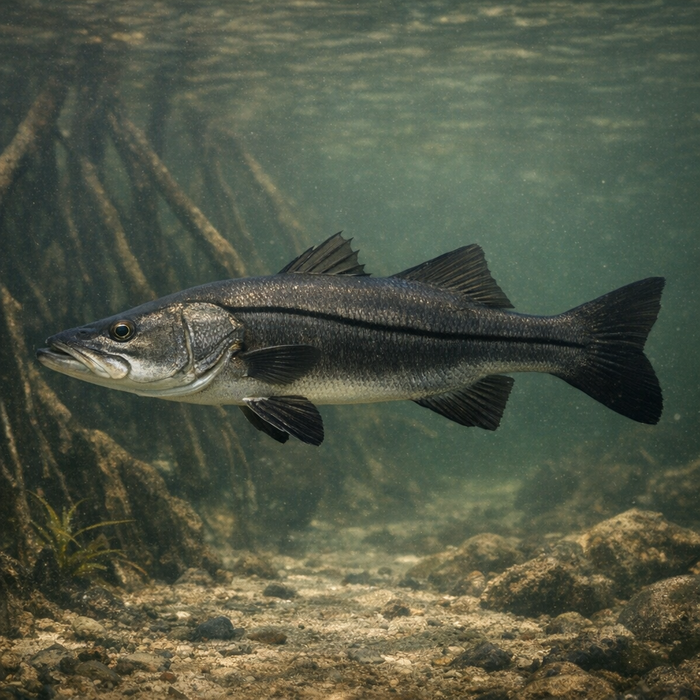
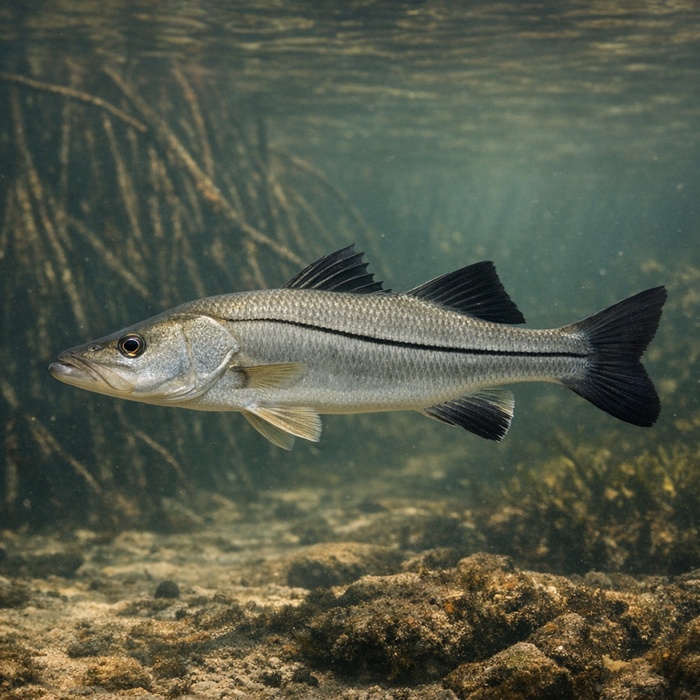
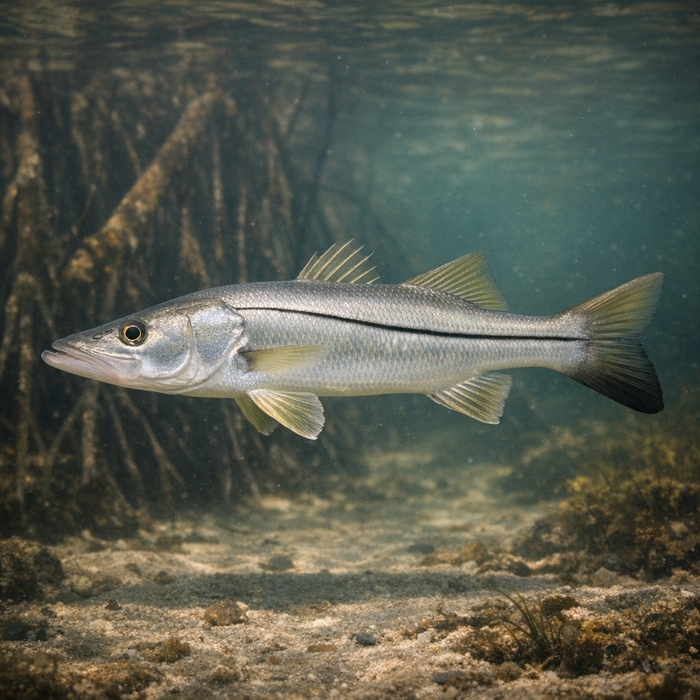
First, the profile. Compared to other snooks, tarpon snook sport a more upturned mouth and a tarpon-ish vibe, complete with a deeper forked tail that screams acceleration. Second, their behavior trends even more jumpy than their cousins. Hook one in tight quarters and it launches into acrobatic headshakes like a pint-size tarpon. Third, sexual strategy. Like many Centropomus, they’re protandrous hermaphrodites: lots of males first, then females later. That matters when managing pressure on larger fish during spawning season.
Habitat & Global Range
The tarpon snook lives where river water smacks into the Pacific: mangrove-choked creeks, tidal lagoons, river mouths, and adjacent flats from Mexico down through Central America to parts of South America’s Pacific coast. Think coffee-colored outflows, fallen mangrove roots, and current edges where bait gets funneled. Tarpon snook habitat is tailor-made for ambush. They prowl one to eight feet deep, slide into skinny water at night, and drop back to deeper sloughs when the sun climbs. During rainy season surges, they stack at river mouths and along foamy surf lines just outside the breakers. When the estuary clears, they ghost along shadow lines around docks and shoreline structure.
Behavior & Temperament
This fish is a patient bully. It pins bait against roots or surface film, then detonates with a short, violent burst. Tide rules everything. Moving water flicks the On switch; slack tide is often nap time. Low light windows are prime, and night fishing around lights can be ridiculous. Tarpon snook are sharp-eyed but not uncatchable. Get too close or slap a lure and they’re gone. But slide a small twitchbait, soft plastic jerk shad, or sparse baitfish fly across the current seam, and they’ll crack it. Expect a blistering first run, quick change-of-direction, and an aerial tantrum. Barbless or light-wire hooks are risky; keep steady pressure and use a firm, short-shank hook.
Ecological Importance
Tarpon snook occupy a tight corner of the estuarine food web, vacuuming up small fish and shrimp moving with the tide. They translate mangrove productivity into fast protein for bigger predators, and their seasonal movements reflect estuary health. When nursery creeks hold shrimp and juvenile bait, tarpon snook thrive; when mangroves get bulldozed or runoff turns toxic, they fade fast. They’re a clean readout on coastal ecosystem vitality—if they’re active, something’s going right.
Conservation & Environmental Pressures
The species doesn’t have the PR machine of common snook or tarpon, so formal assessments lag. Still, threats are obvious: mangrove clearing, dredging of river mouths, sediment-choked runoff during development booms, and unregulated harvest in some regions. Add warming trends and unpredictable rainy seasons and you get boom-or-bust year classes. Smart pressure—releasing bigger females, fishing single inline hooks around roots, and keeping pictures quick—pays off immediately. Where communities protect mangroves and manage netting near inlets, tarpon snook numbers rebound fast.
The FishyAF Take
The tarpon snook is an underhyped prize, the fish you start chasing after your fifth dawn with nothing but missed swirls under the mangroves. It demands a tidy cast, a quiet boat, and a plan for chaos the second the lure gets whacked. If you want bragging rights no one in the office understands, put this fish on your list. Pack small twitchbaits, bucktails, and a box of skinny, sparsely dressed baitfish flies. Work moving water, honor the shadows, and be ready for a fast, vertical fight. For anglers who crave nuance over numbers, here’s your fix—plus a few great tarpon snook facts to bore your bait guy while you retie.