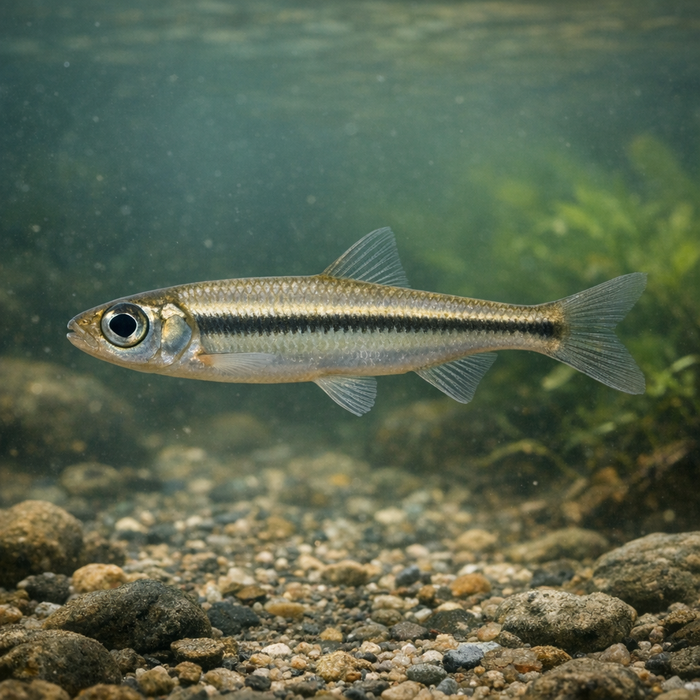
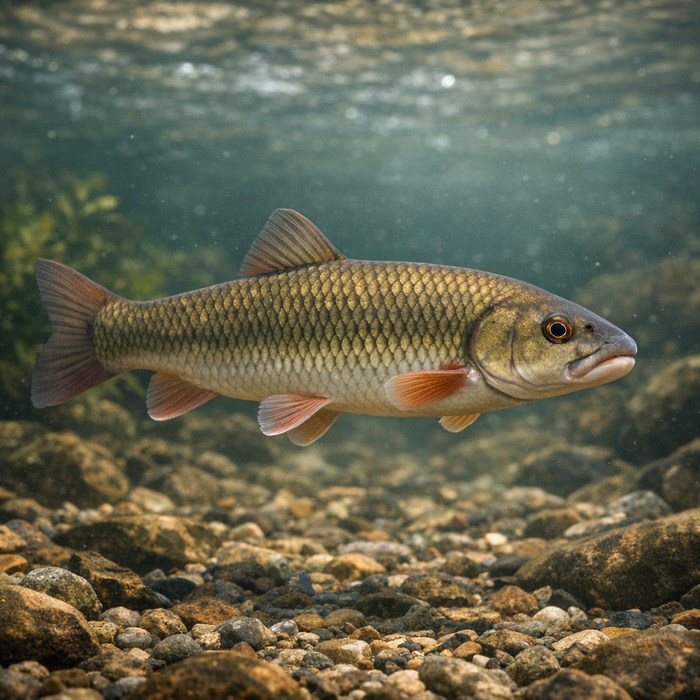
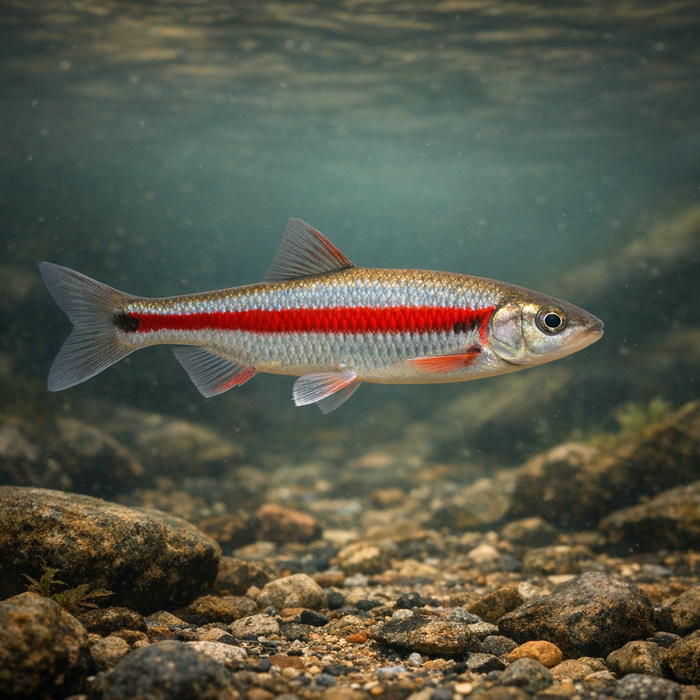
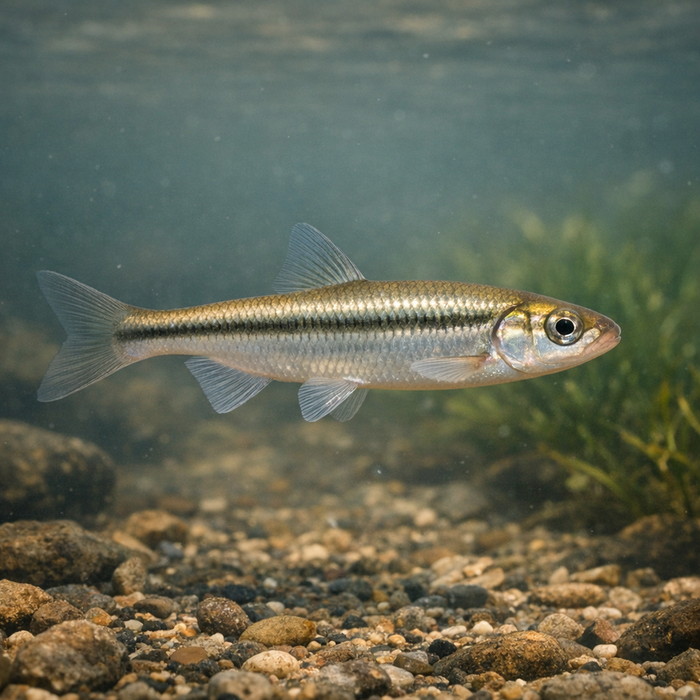
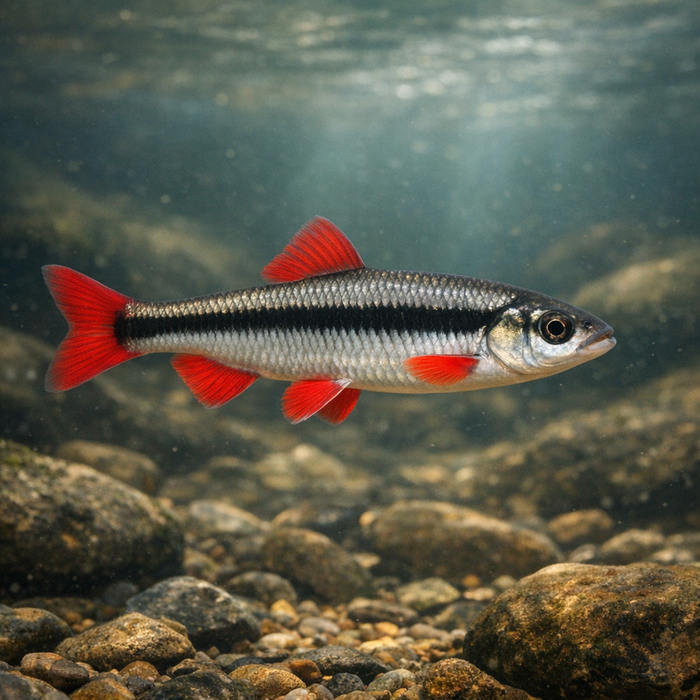
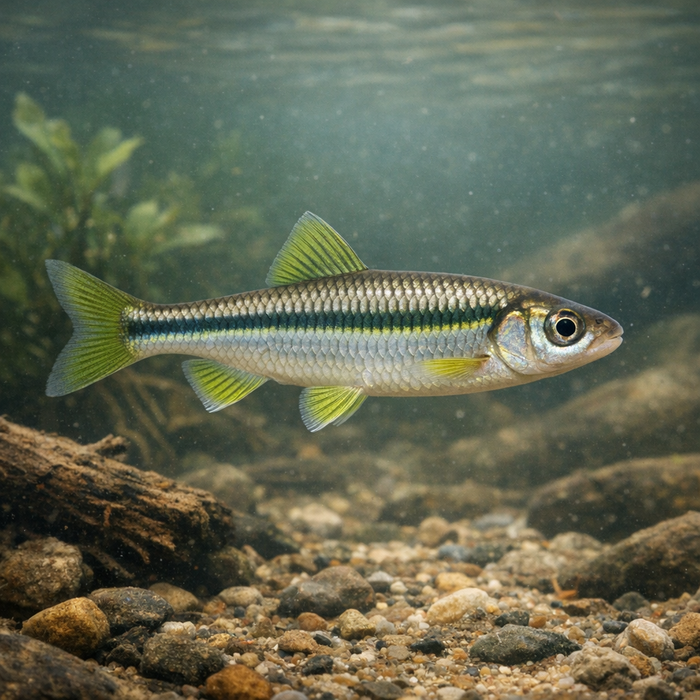
Texas Shiner (Notropis amabilis): The Hill Country's Glittering Micro-MissileIntroductionMeet the Texas shiner, a pocket-sized speedster that turns skinny, spring-fed water into a racetrack. It won't spool your reel or snap your line, but it will teach you presentation and stealth the way a strict coach does: unforgivingly, and in public. If you fish Texas creeks and rivers, you've seen that flash. This is the fish behind it. Here for Texas shiner facts, Texas shiner habitat, or just curious why a minnow deserves a write-up? Set the ultralight down and read on.What Makes the Texas shiner Unique?First, the look: a clean, silvery body with a faint, polished lateral line and a subtle golden wash that pops in bright spring water. Males gear up for romance with tiny breeding tubercles and extra shimmer, transforming from modest to showy without ever breaking two inches. Second, the attitude: this fish lives in current that would tumble lesser minnows. It holds station over gravel, darts to intercept drifting morsels, and snaps back to its lane with precision. Third, the choreography: tight shoals swivel in unison, throwing synchronized coin-flashes that scramble predator targeting. It's like watching a well-rehearsed bait-ball ballet in miniature.Habitat & Global RangeThe Texas shiner is a specialist of clear, spring-fed rivers and creeks, especially those cutting across the limestone bones of central and southwest Texas. Think glassy runs, riffles sliding over clean gravel, and well-oxygenated seams hugging submerged ledges. In these conditions, visibility is HD-clear, so every shadow counts. During drought or low-flow, schools retreat toward spring outlets, then spread downstream once flows rebound. While the species extends beyond state lines, most anglers encounter it in the Hill Country, Rio Grande tributaries, and other spring systems that feel more gin-and-tonic than chocolate milk.Behavior & TemperamentThis fish is built for velocity. Oversized eyes track drifting insects; a streamlined body wastes nothing on drag. Shoals hold just off the main push of current, poaching food delivered by the river instead of burning energy to hunt. Startle a school and it whips into formation, pivoting so fast you'll doubt what you saw. They feed top to bottom depending on flow and light: midwater is their bread-and-butter, but surface takes pop during insect hatches, and bottom-picking happens when current pins food low. Spawning hits in warm months as females scatter adhesive eggs into riffle gravel. No nests. No babysitting. Just numbers.Ecological ImportanceThe Texas shiner is a workhorse link between invertebrates and larger predators. It turns insects and micro-crustaceans into calories that power sunfish, Guadalupe bass, and every heron with a decent jab. That matters. In spring systems where flow is steady, these fish buffer the food web, smoothing out the boom-bust cycles that hammer less-adapted species. They're also great bio-indicators. When a reach loses its sparkle because of silt, algae blooms, or pumped-down springs, shiner numbers fade fast. If the riffles go quiet, something upstream isn't right.Conservation & Environmental PressuresGood news first: the Texas shiner is assessed as Least Concern, and in many spring creeks it's still plentiful. The cautionary part is habitat. These fish need clear, cool, oxygen-rich water gliding over clean gravel. Silt from sloppy land use, nutrient-fueled algae mats, or shrinking spring flows can turn that Formula One track into a parking lot. Drought and groundwater withdrawals squeeze the margins. The species is tough in current, not in soup.The FishyAF TakeYou don't chase a Texas shiner for hero shots. You chase it to sharpen skills. Thread a size 20 hook, add a whisper of split shot, and drift a fleck of worm through a knee-deep run. If you can make that look alive and natural, bigger fish down the line get a lot easier. That's the quiet superpower of the Texas shiner. It's a tiny teacher with a silver pointer, circling every flaw in your drift. Respect the riffles it calls home, keep your footprints light, and enjoy the micro-ballet while it lasts. This minnow is small, but the lesson is huge.