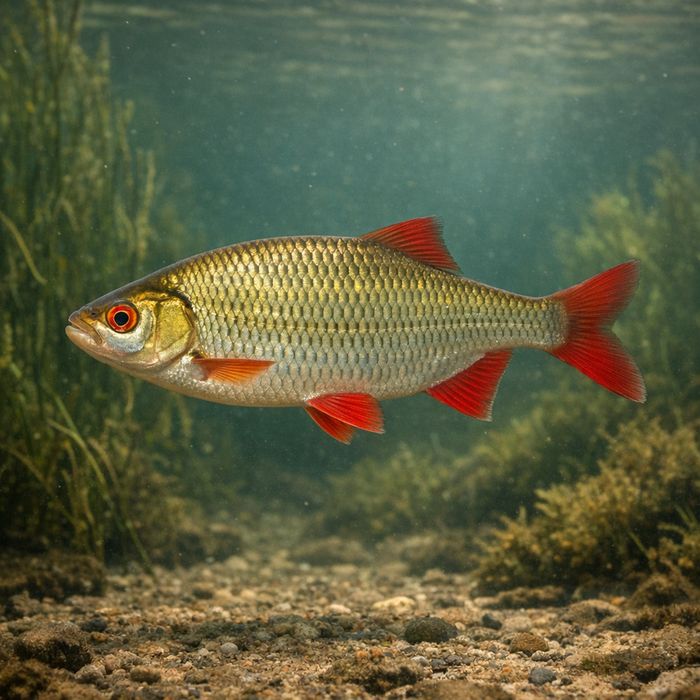
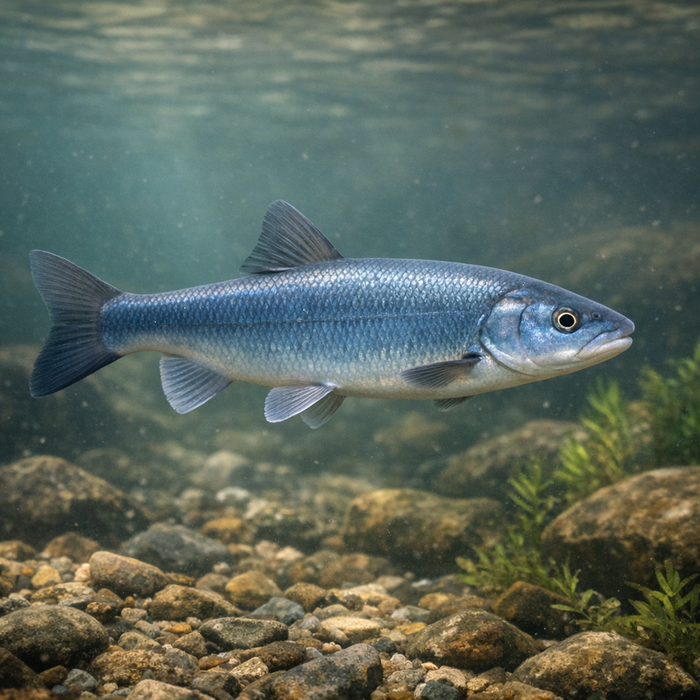
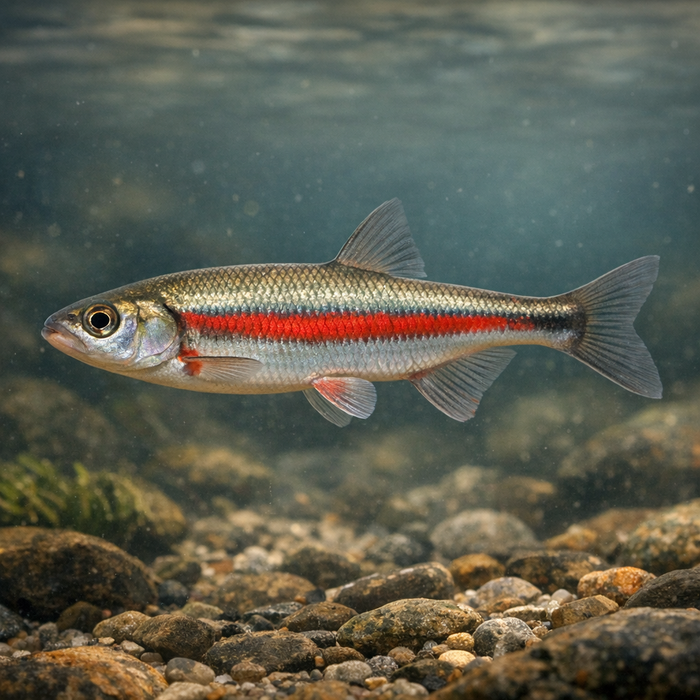
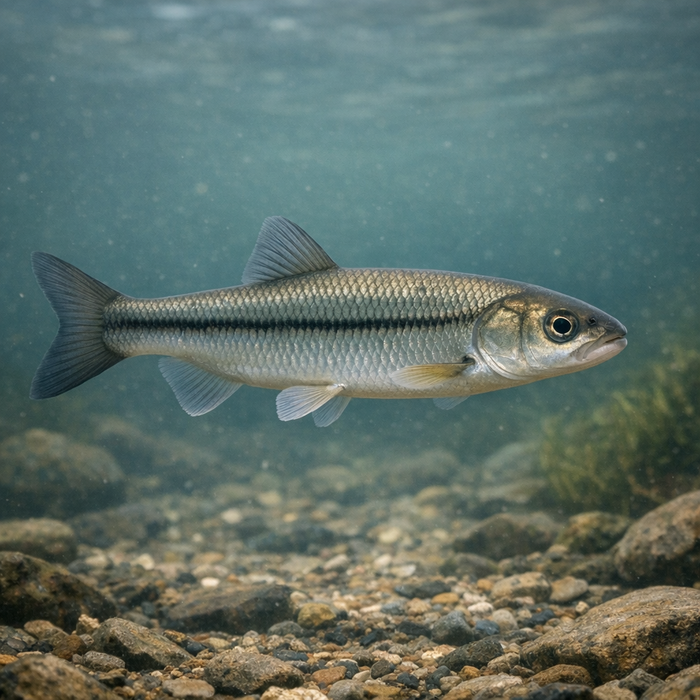
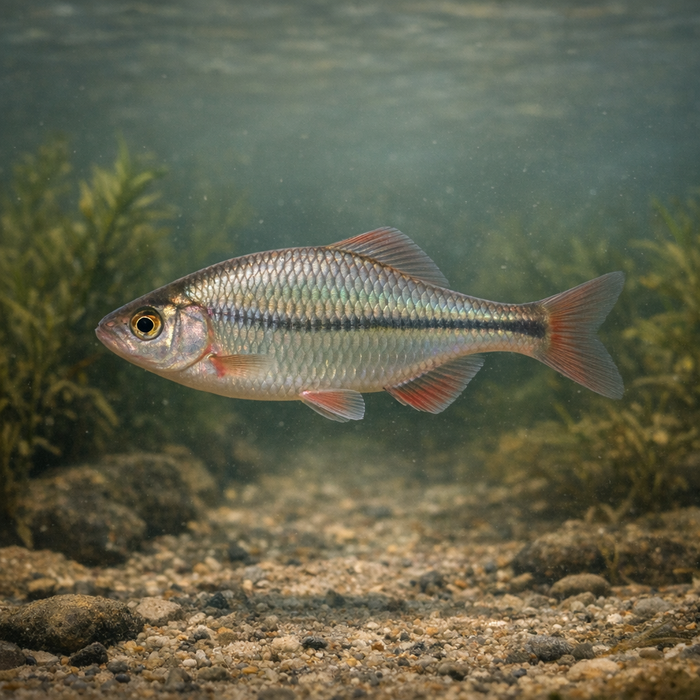
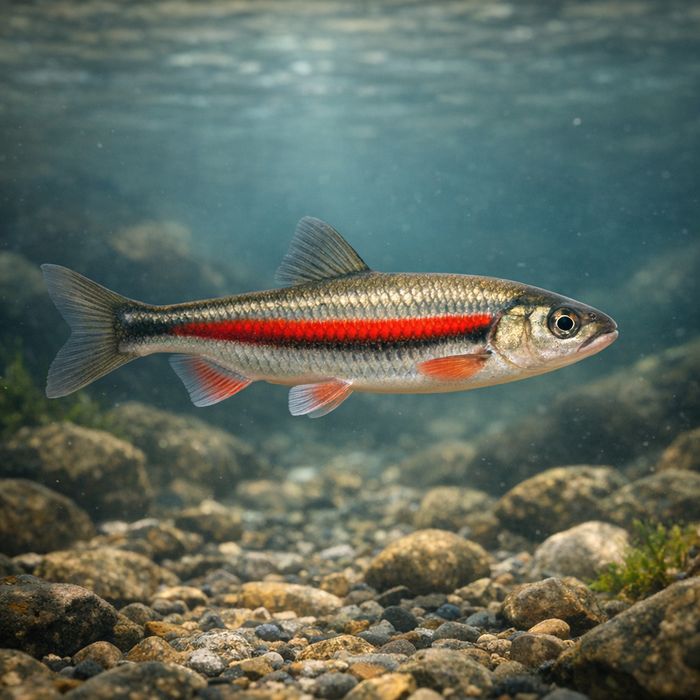
Utah chub (Gila atraria): The hardy underdog that keeps bobbers dunking when prima donna trout throw tantrums.IntroductionIf your mission is bent rods over bragging rights, the Utah chub is your dependable chaos agent. Common, tough, and shamelessly hungry, this cyprinid turns slow days into fish-catching clinics. Call it a "rough fish" if you want, but the Utah chub is a masterclass in survival and a surprisingly strategic target when you lean into light tackle. If you're poking around for Utah chub facts or intel on Utah chub habitat, you're in the right place.What Makes the Utah chub Unique?First, they're ridiculously adaptable. The Utah chub tolerates everything from chilly mountain reservoirs to alkaline, slightly saline basins where fussier fish tap out. Second, they scale up production like a factory. In nutrient-rich lakes they crank out clouds of fry, forming massive schools that carpet shorelines. Third, they matter more than anyone admits. Big trout, walleye, pike, and even lake trout cash in on chub calories, and that forage connection quietly fuels trophy bites. Add in spawning males that darken and sprout rasp-like breeding tubercles, and you've got a native minnow with some swagger.Habitat & Global RangeDespite the big name, this is a Western specialist anchored in the Great Basin and Intermountain West. The Utah chub thrives in lakes, reservoirs, and slow river margins with vegetation, mud, and easy groceries. Think weedy coves, canal mouths, marina corners, and backwater pockets off the Snake and Green systems. They'll work the bottom, cruise midwater, and even dimple the surface when plankton pops. Summer heat pushes them slightly deeper or into greener water; spring pulls them shallow to substrate and grass beds. If an impoundment grows algae and panfish, odds are a Utah chub tribe already runs the place.Behavior & TemperamentThey're not shy. Utah chubs school tight and graze through food like a lawn crew, thumping anything snack-sized. Light line with a small hook and a morsel gets intercepted fast. That doesn't mean they're brainless; clear water or heavy pressure can make them peckish. They're omnivores, happily mixing invertebrates, algae, and detritus, plus the occasional protein windfall. During spawn, expect shoreline riots and constant jostling over weedy patches. Fights aren't drag-scorching, but a thick chub on ultralight still puts a grin on your face.Ecological ImportanceForage, plain and simple. Utah chub biomass often plugs the energy gap between plankton and apex predators. Stocking programs gripe about competition with trout, and that tension is real in smaller or marginal waters. But in big, fertile systems, chubs can be the lunch buffet that grows predators thick and mean. They also move nutrients around by mowing vegetation and stirring bottom muck, which can shape water clarity and algal swings. Love them or loathe them, they're a core gear in the lake machine.Conservation & Environmental PressuresListed as Least Concern, Utah chubs aren't exactly fragile. The bigger issue is management optics: where gamefish are the stars, chubs get cast as villains. Netting, predator introductions, and habitat adjustments are all used to knock them back when they surge. Long term, the same climate shifts stressing trout won't bother chubs much. Warmer summers, fluctuating levels, and more nutrient input often tilt the board in their favor.The FishyAF TakeUtah chub are the blue-collar heroes of Western stillwaters. Not glamorous, absolutely effective, and almost always willing to play. If you've got kids, a couple hours, and a tub of worms, they'll deliver. And if you're a predator junkie, don't sneer; those big fish you're after probably bulked up on chub. Call them rough fish with a wink. The Utah chub is the dependable metronome behind countless "saved the day" stories, and that's a legacy worth respecting.