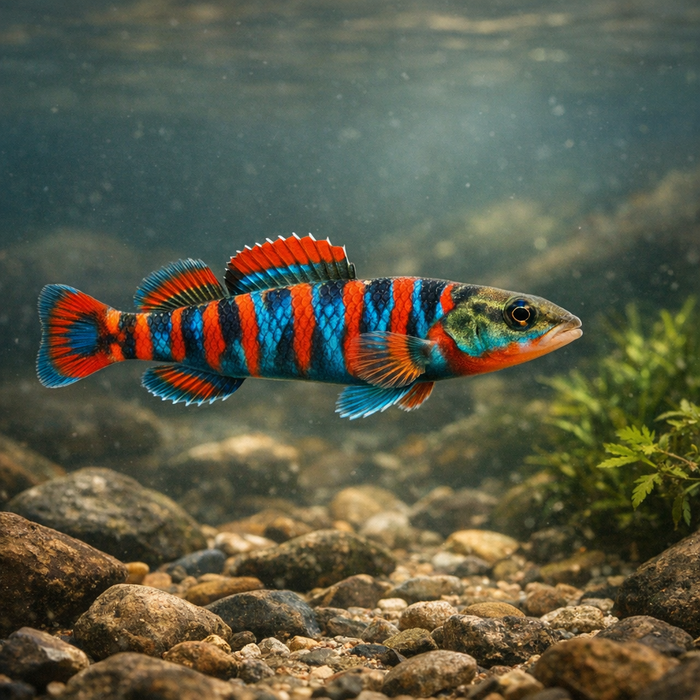
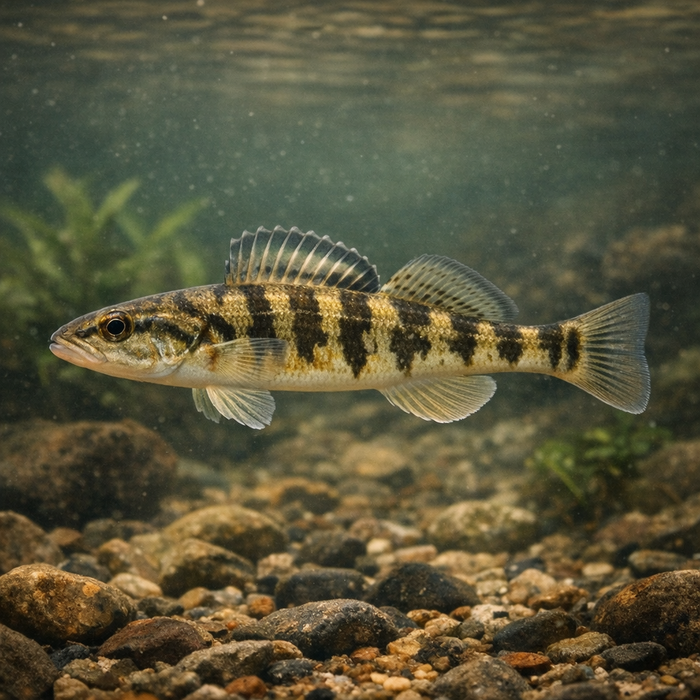
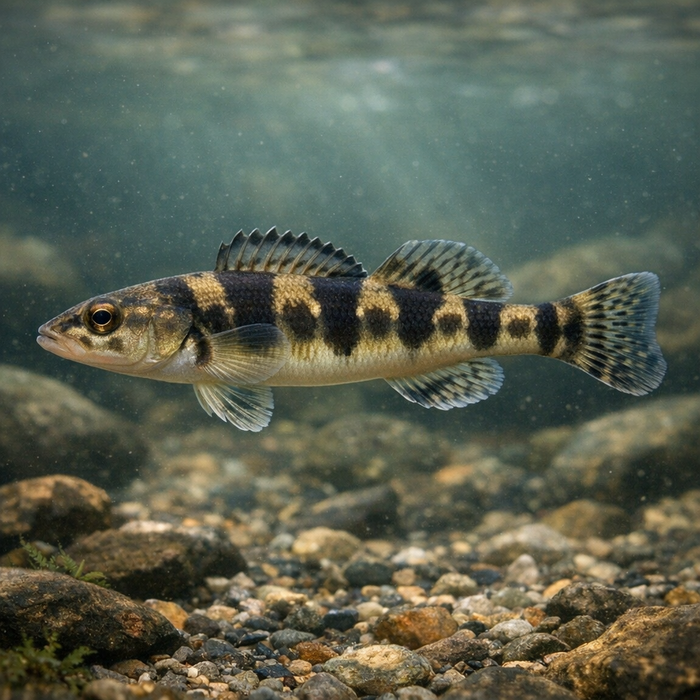
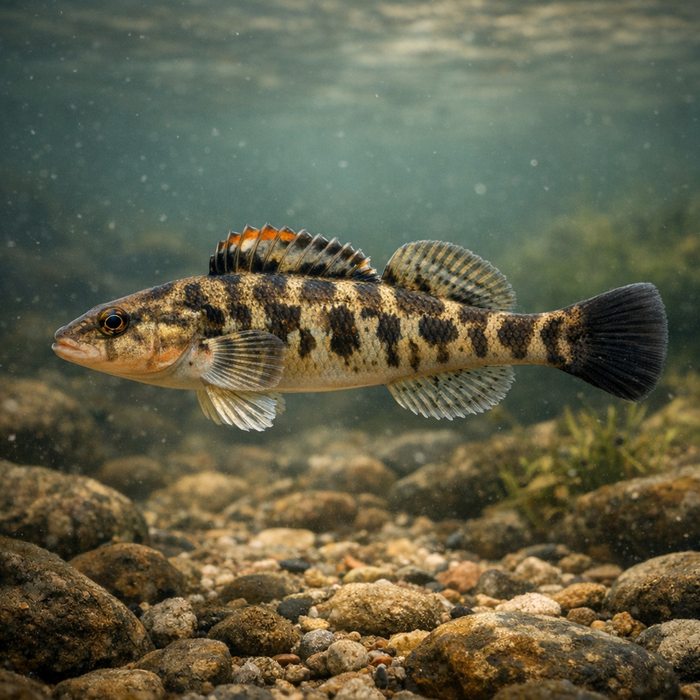
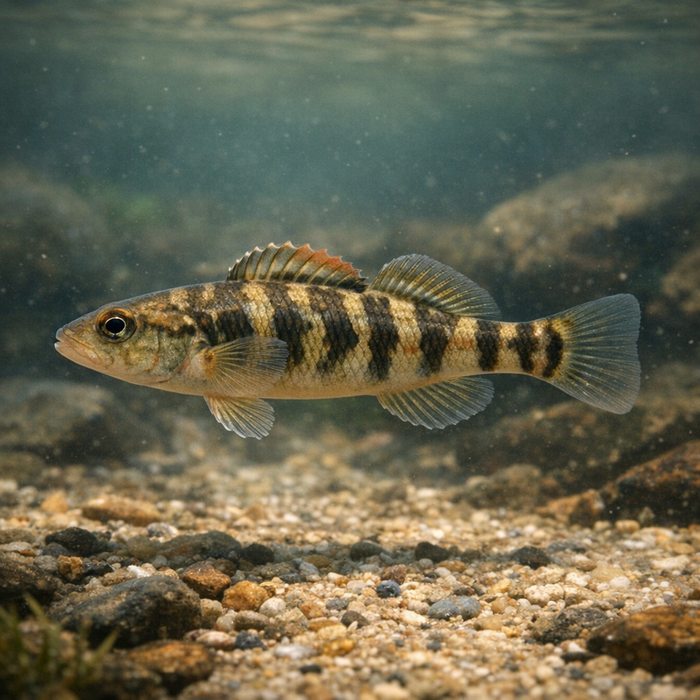
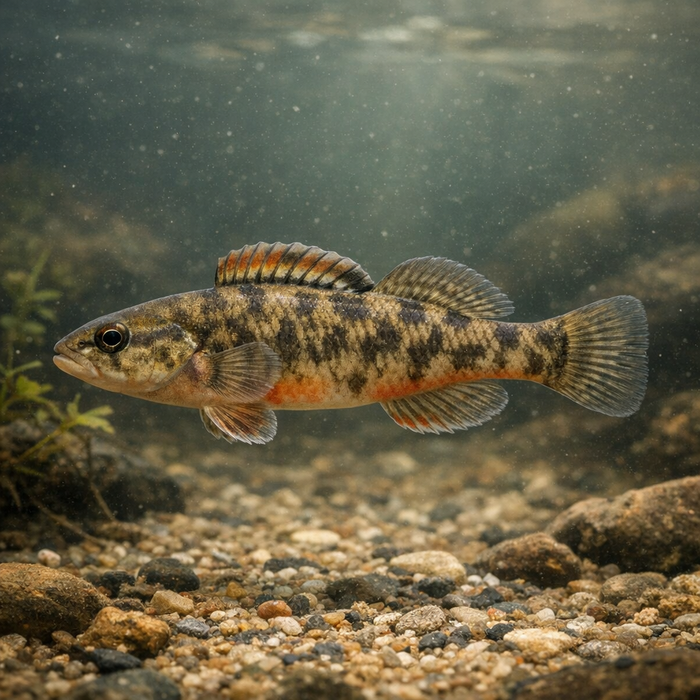
Vermilion darter (Etheostoma chermocki): A tiny, blazing-red riffle rocket with a conservation-sized chip on its shoulderIntroductionThe Vermilion darter is one of those fish that makes you blink, lean in, and blurt out, "Wait, that lives here?" It's two to three inches of attitude, stacked with red bars, clinging to fast riffles in a short slice of Alabama stream. For anglers, it's not a target so much as a treasure: a glance of color in quick water, a reminder that clean gravel and cold springs still matter. Consider this your crash course in Vermilion darter facts, with a pond-sized species that casts a river-sized shadow.What Makes the Vermilion darter Unique?Start with the paint job. Breeding males light up with intense vermilion bars that look airbrushed onto olive flanks. The effect is startling in knee-deep current, where most fish go gray for camouflage. Add to that a shockingly tight range and a late scientific debut. Described in 1992, the species fast-tracked onto endangered lists because its universe is basically one creek system. The combination of neon breeding colors, micro size, and razor-thin distribution makes the Vermilion darter a poster child for pocket-water biodiversity.Habitat & Global Range"Global" is generous. The Vermilion darter habitat is cool, clean, highly oxygenated riffles over gravel and cobble in the Turkey Creek system of Alabama's Cahaba drainage. Think shin-deep water, brisk current, and a bottom that looks like a bag of mixed river stones, not pudding. Springs help temper summer heat, and shady banks keep the engine cool. These fish live on the bottom, slipping between pebbles and cobbles, moving just enough to intercept drifting insect larvae. Silt is a dealbreaker; muddy runoff clogs the crevices where eggs settle and insects thrive.Behavior & TemperamentVermilion darters are classic bottom rockets. They hug substrate, darting in short bursts to nail drifting morsels or joust for a pebble-sized patch of turf. During spring, males darken their fins and blaze those red bars to advertise bravado and breeding condition. Instead of cruising like minnows, vermilions make micro-moves: a hop to the next stone, a pivot into a micro-eddy, a lightning stab at a passing larva. They spook fast in clear water and prefer to hold where flow breaks-behind cobbles, under tiny ledges, or in the relief zones along riffle seams.Ecological ImportanceSmall fish, big job. Vermilion darters convert aquatic insects into calories moving up the food web. More importantly, their sensitivity makes them a living water-quality meter. When riffles stay clean, vermilions flash red in spring and the insect buffet is stocked. When sediment, runoff, or poorly designed culverts choke velocity and fill gravel, they vanish. Protecting this darter means protecting cold inflows, stable banks, and a stony streambed that breathes.Conservation & Environmental PressuresThe Vermilion darter is federally endangered and IUCN Critically Endangered. Urban growth in the Birmingham area historically loaded streams with sediment and altered flows. Stormwater surges, bank erosion, and small barriers can turn lively riffles into flat, silty runs. The good news: targeted restoration is happening. The Turkey Creek Nature Preserve guards key habitat, and projects that stabilize banks, replant riparian buffers, and improve culverts keep gravel clean and water moving. For anglers and creek-walkers, the rule is simple: observe, don't harass. No buckets, no keepsakes-just a grateful nod to a rare fish punching above its weight.The FishyAF TakeYou don't "fish" a Vermilion darter. You find one like a birder spots a rare warbler: quietly, respectfully, and a little awestruck. If you're a microfishing nut, save your hooks for non-protected species and treat this one like a VIP sighting. The Vermilion darter delivers a masterclass in how much wonder can fit in a few riffles. Keep those riffles clean, keep the cameras handy, and let the little red bars do their thing. That flash of vermilion in shin-deep current is the whole show-and it's worth protecting.