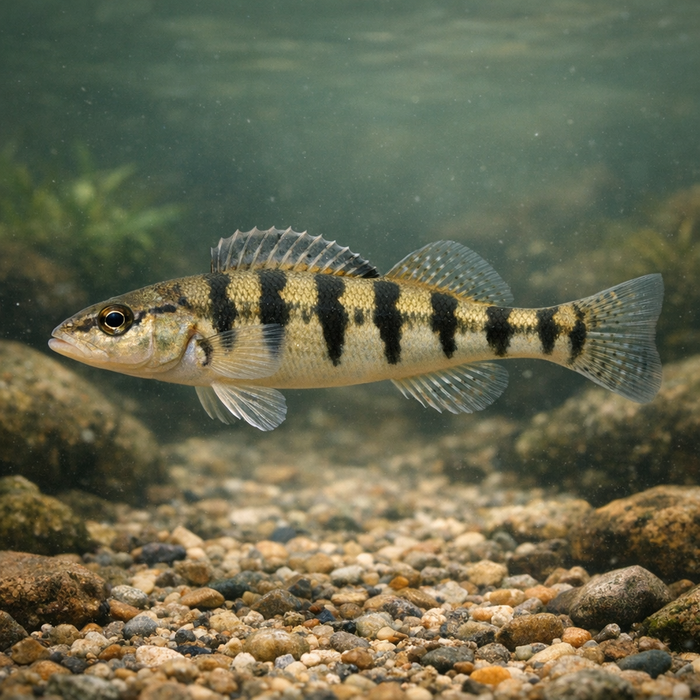
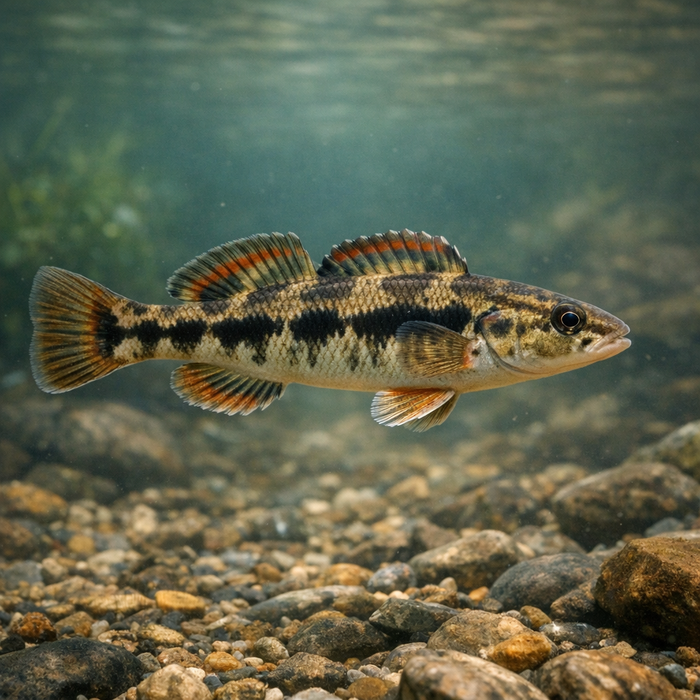
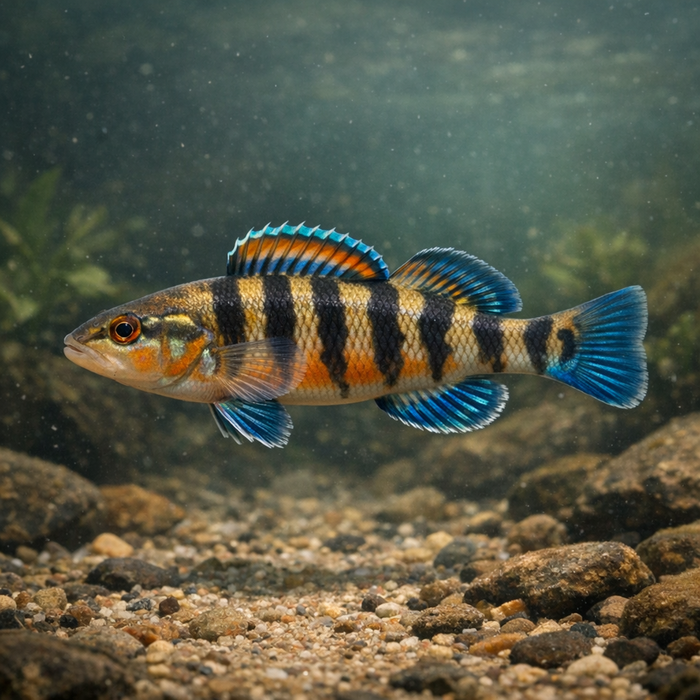
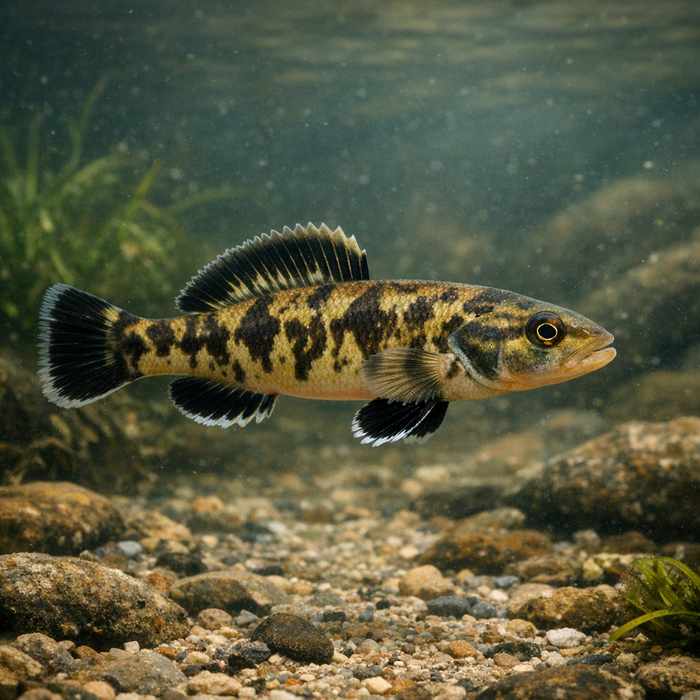
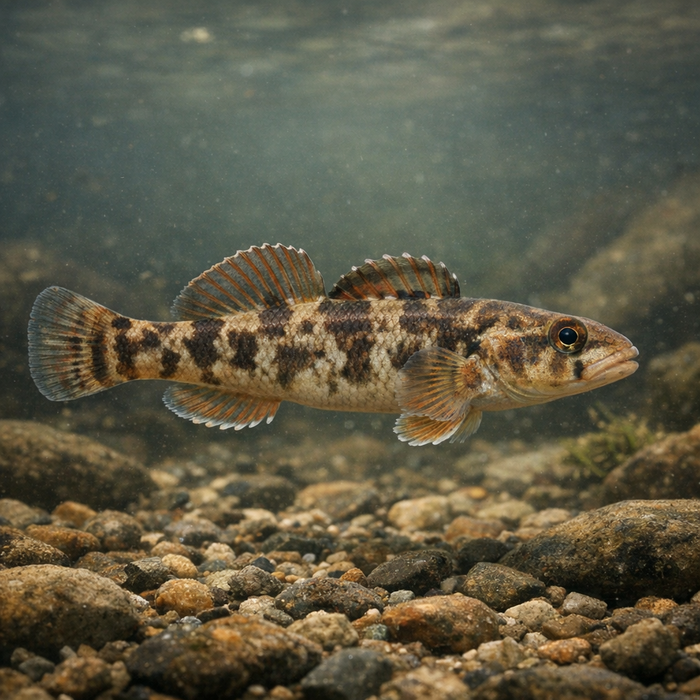
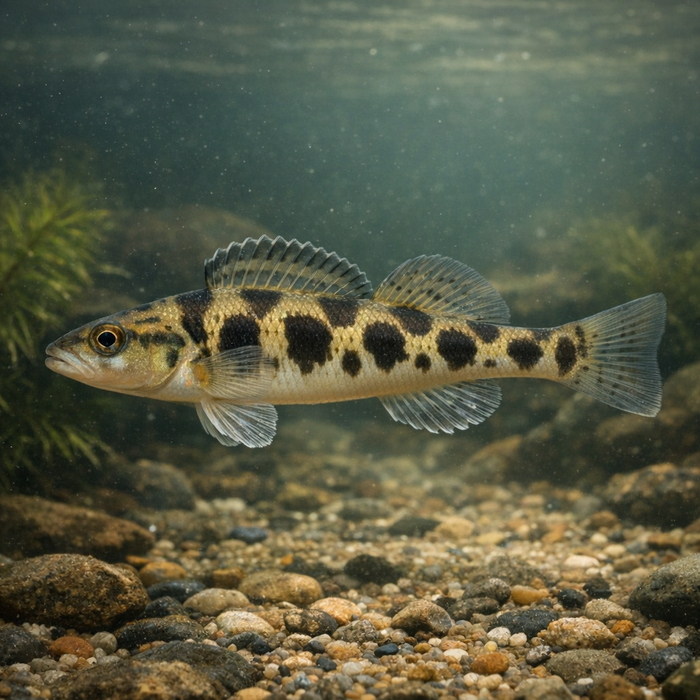
Waccamaw Darter (Etheostoma perlongum): Small fish, huge identity.IntroductionThe Waccamaw darter is proof that size has nothing to do with swagger. Endemic to one surreal Carolina Bay called Lake Waccamaw, this tiny predator spends its life pinballing over pale sand and shell hash, vacuuming up insect larvae with sniper timing. If you're into microfishing or just love wild one-off stories, the Waccamaw darter is catnip. It's a local legend in a single, limestone-tinged lake where the water is clear enough to shame your sunglasses.What Makes the Waccamaw darter Unique?Let's start with exclusivity. The Waccamaw darter exists only in Lake Waccamaw, a freak of nature among Southeastern lakes thanks to dissolved limestone that bumps up clarity and alkalinity. That unusual chemistry shaped a fish built for high-visibility living: slim, sand-colored, and spooky-smart. Second, the name Etheostoma perlongum says it all: very long. Among darters, it's got an especially stretched silhouette for hugging bottom and dashing in short bursts. Finally, during spring, males darken and show subtle bars, a low-key spawning suit that says business, not parade.Habitat & Global RangeHere's the entire address: Lake Waccamaw, North Carolina. That's the whole map. The Waccamaw darter gravitates to clear, shallow flats with pale sand, shell fragments, and scattered vegetation. Gentle current along inlets or shoreline eddies is a plus. If you're thinking Waccamaw darter habitat, think clean, bright margins where shadows matter and every footstep counts.Behavior & TemperamentIt's a bottom-focused ambush artist, darting in micro-bursts and freezing like a dropped leaf. The Waccamaw darter rarely strays far or schools tightly; it loosely associates with neighbors, then disappears into the pattern of the sand. In bright conditions it gets wary, using that incomplete lateral line and finely tuned vision to detect trouble. Despite the small size, it's all predator attitude: short dash, precise grab, immediate reset.Ecological ImportanceThe Waccamaw darter helps keep benthic insect populations honest and in turn feeds bigger fish and waders. It's an anchor in a delicate nearshore web that includes other Waccamaw endemics. In a lake where chemistry, clarity, and sand set the rules, this darter is both participant and barometer. If the shoreline shallows stay clean and stable, the ecosystem hums. If they don't, the darter's numbers will be among the first to ratchet down.Conservation & Environmental PressuresWith a zip-code-sized range, any wobble hits hard: shoreline development, nutrient spikes, invasive plants, or turbidity that clouds the darter's line-of-sight lifestyle. Water level manipulation and prolonged droughts or floods can also pinch spawning windows. While formal listings and designations vary, anglers should treat this fish like a precious local heirloom. Handle with wet hands, go barbless, and get it back in the water fast.The FishyAF TakeYou won't high-stick this fish on a banner day and brag about forearm burn. That's the point. The Waccamaw darter is a masterclass in restraint, stealth, and local pride. It's the one-lake wonder with a look that only makes sense on that pale, limestone-lit bottom. If you like rare stories, this is the micro apex: clean water, tiny hooks, a blink-and-it's-gone strike. For folks searching Waccamaw darter facts or scouting Waccamaw darter habitat, here's the headline: respect the shoreline, fish small, and expect your definition of trophy to change dramatically.