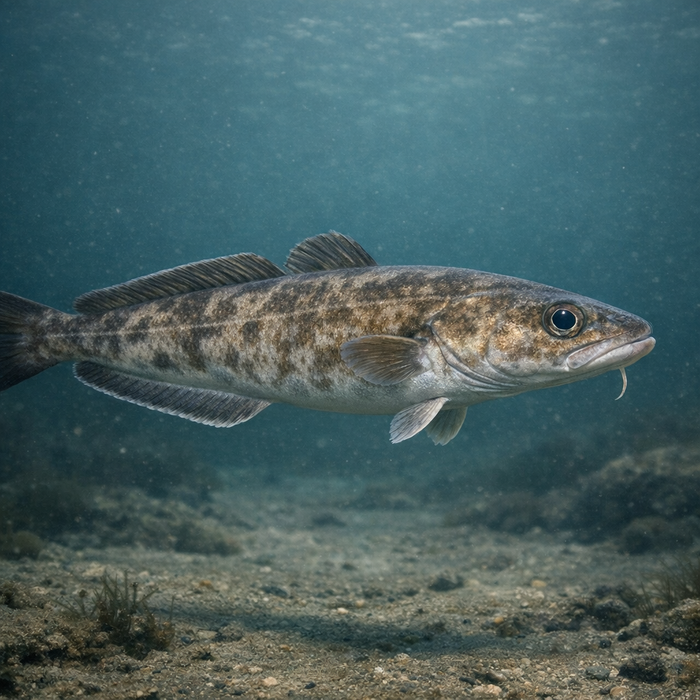
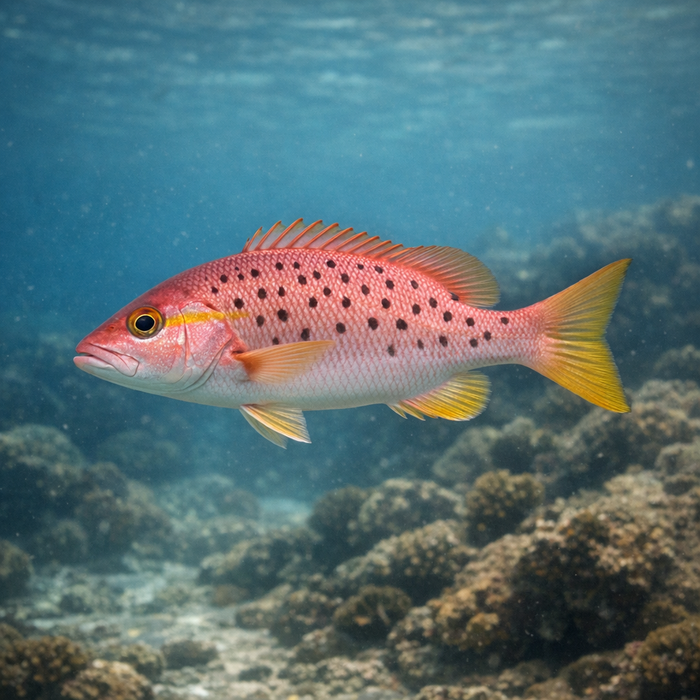
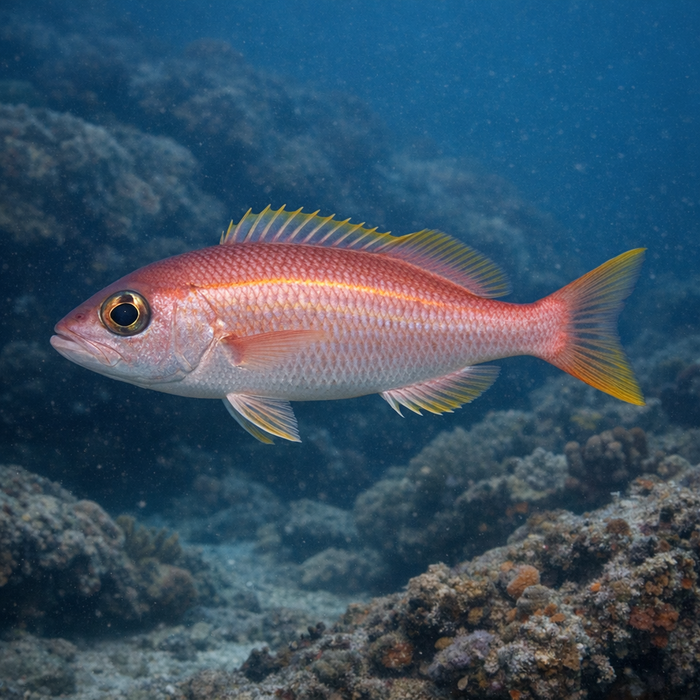
White Hake (Urophycis tenuis): A deep-bottom ambusher with velvet looks and serious pulling powerIntroductionWhite hake are the dark horses of the Northwest Atlantic bottom. Slip a bait to the mud on a chilly edge, and what thumps your rig might not be cod or pollock at all but this bronze-purple bruiser with whisker-long pelvic fins. They're not glamor fish, but white hake deliver legit meat, stoic headshakes, and a satisfying, old-school groundfish vibe. If you're curious, keep reading for real-deal White hake facts, not dock gossip.What Makes the White hake Unique?Start with the hardware. White hake carry extra-long pelvic fin filaments and a small chin barbel that work like fingertips, feeling out prey in the dim. Their profile is classic hake: two dorsal fins, a long anal fin, and a sleek, almost eelish silhouette. Then there's the sheen. Fresh from depth, they glow bronze with purplish wash, a color shift that turns heads on deck. Finally, they scale up. While everyday fish run moderate, big white hake are thick, powerful, and absolutely capable of bending stout bottom sticks.Habitat & Global RangeWhite hake habitat leans strongly offshore. Think continental-shelf mud, sand, and broken glacial substrate from Labrador to the mid-Atlantic, with a center of gravity in the Gulf of Maine, Georges Bank, and Atlantic Canada. They roam slope edges and deep basins, and during cooler seasons slide shallower to intercept bait along banks and ledges. If you're triangulating "White hake habitat," picture temperature breaks over soft bottom between the coastal zone and deep sea. You're working current-swept lanes where squid, herring bits, and anything edible funnels low.Behavior & TemperamentCall them methodical predators. White hake don't blitz the surface; they ghost the bottom, using those tactile fins and the chin barbel to feed confidently in low light. Dusk, night, and dreary weather push them shallower or at least perk them up. The fight is stoic rather than acrobatic: deep thumps, a few sullen runs, and a steady plod that telegraphs weight the whole way. They'll group loosely where food is concentrated but don't pin hard to wrecks like some reef specialists. Current seams, basin edges, and muddy troughs get the nod.Ecological ImportanceWhite hake quietly stitch together shelf food webs. They convert squid, small fishes, and benthic critters into calories for bigger predators and people. Their winter-to-spring spawning along the shelf edge broadcasts buoyant eggs into regional currents, feeding plankton grazers and seeding juvenile nurseries as conditions allow. That larval drift spreads risk across miles of ocean. As a mid-tier predator, white hake also help meter forage pulses; when hake are dialed in, you can bet bait is moving.Conservation & Environmental PressuresLike many groundfish, white hake have ridden the roller coaster. Stock health has fluctuated with fishing pressure, environmental shifts, and the complicated chess game of multispecies management. Warming waters can squeeze the cold edges they prefer, while variable recruitment keeps managers guessing. Commercial and recreational interest is real but not overwhelming, and careful handling keeps fillets firm. If you keep fish, ice is religion. If you release, circle hooks limit gut hooks, and a quick vent or slow ascent helps with barotrauma in deeper work.The FishyAF TakeIf you're the type who judges fish solely by Instagram razzle-dazzle, you'll miss out. The white hake is a brawler in a tuxedo, a tasteful bruiser that rewards anglers who understand current, contour, and bait presentation on the bottom. Drop clean rigs, keep baits fresh, and ride the tide windows when mud lines start humming. The hits are honest, the meat is prime when iced right, and the scene on the edge is timeless. White hake won't crash a topwater party, but when your rod doubles over in 300 feet, nobody's asking for fireworks.