Atlantic Spadefish (Chaetodipterus faber): The Silver Disc That Commands Attention
The Atlantic Spadefish is not your average reef dweller. With its striking silver body and bold black vertical bands, this fish stands out in the crowded coastal waters of the western Atlantic. Known for its distinctive shape and curious nature, the Atlantic Spadefish is a favorite among anglers and snorkelers alike. But beyond its flashy appearance lies a species with fascinating behaviors and an important role in marine ecosystems.
What Makes the Atlantic Spadefish Unique?
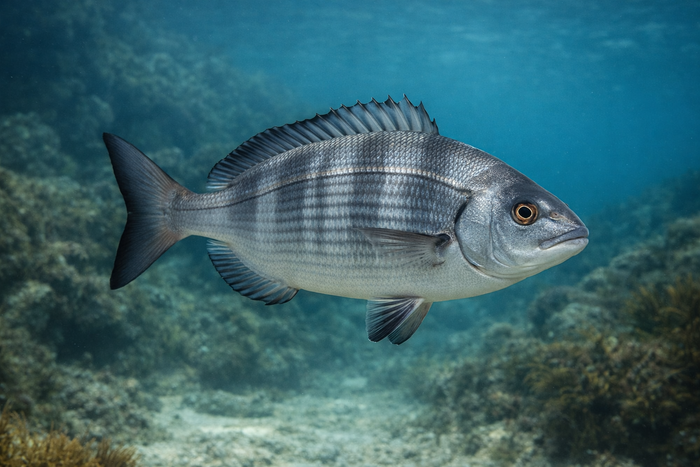
The Atlantic Spadefish’s most eye-catching feature is its deep, laterally compressed body that resembles a silver disc or spade, hence the name. Its five to six broad black vertical bars contrast sharply against a silvery background, making it instantly recognizable. Unlike many fish, its dorsal and anal fins are elongated and rounded, giving it a graceful, almost theatrical silhouette as it maneuvers through the water.
This species is also notable for its social tendencies. Atlantic Spadefish often form large schools, sometimes numbering in the hundreds. These schools move with coordinated precision, a behavior that not only confuses predators but also enhances their foraging efficiency. Their diet is diverse, including small crustaceans, jellyfish, and plankton, showcasing their opportunistic feeding habits.
Habitat & Global Range
Atlantic Spadefish facts are incomplete without understanding their habitat preferences. They inhabit coastal waters of the western Atlantic Ocean, ranging from Massachusetts down to Brazil, including the Gulf of Mexico and the Caribbean Sea. Their Atlantic Spadefish habitat spans shallow bays, estuaries, and around structures like piers, wrecks, and reefs.
These fish thrive in warm, temperate to subtropical waters, often found at depths from the surface down to about 30 meters. Juveniles prefer shallow, protected areas with plenty of cover, while adults venture into open waters and around offshore reefs. Their affinity for man-made structures makes them a common sight near docks and jetties, where they feed and seek shelter.
Behavior & Temperament
Atlantic Spadefish are curious and bold, often approaching divers and snorkelers without hesitation. Their schooling behavior is a survival strategy, but it also reflects complex social interactions. Within these schools, individuals communicate through body movements and positioning, maintaining cohesion and avoiding collisions.
Despite their striking appearance, Atlantic Spadefish are relatively peaceful. They pose no threat to humans and are not aggressive toward other fish species. Their feeding technique involves picking at small invertebrates and plankton, sometimes even following larger predators to scavenge leftovers.
During spawning season, which typically occurs in warmer months, Atlantic Spadefish gather in large groups. This synchronized spawning increases the chances of fertilization and dispersal of eggs, ensuring the species’ continuation.
Ecological Importance
Atlantic Spadefish play a vital role in coastal ecosystems. As mid-level consumers, they help regulate populations of small invertebrates and plankton, maintaining a balanced food web. Their schooling behavior also attracts larger predators, making them a key link in the transfer of energy up the food chain.
Moreover, by frequenting man-made structures and natural reefs, Atlantic Spadefish contribute to the biodiversity of these habitats. Their presence supports recreational fishing and ecotourism, which can incentivize conservation efforts.
Conservation & Environmental Pressures
While Atlantic Spadefish are not currently listed as threatened, they face several environmental pressures. Coastal development, pollution, and habitat degradation impact their preferred shallow water habitats. Overfishing, though not a major concern for this species, can affect local populations, especially where they are targeted as bycatch.
Climate change poses a longer-term threat by altering water temperatures and currents, potentially shifting Atlantic Spadefish habitat ranges. Maintaining healthy coastal ecosystems and minimizing pollution are critical for sustaining their populations.
The FishyAF Take
The Atlantic Spadefish is a standout species that deserves more attention than it gets. Its bold appearance and social nature make it a fascinating subject for anglers, divers, and marine enthusiasts. Understanding Atlantic Spadefish facts and habitat preferences is essential for appreciating their role in coastal ecosystems and ensuring their survival.
This fish is a reminder that the ocean’s most memorable characters aren’t always the biggest or the fiercest. Sometimes, it’s the silver disc schooling boldly in the shallows that commands the most respect. Keep an eye out for these striking fish next time you’re near a pier or reef—they’re not just pretty faces but vital players in the marine world.