Gag Grouper (Mycteroperca microlepis): The Grouper That Commands the Reef with Muscle and Mystery
The Gag Grouper is no wallflower of the ocean. Known scientifically as Mycteroperca microlepis, this fish is a heavyweight contender in the reef ecosystem. It’s a species that combines brute strength with a subtle complexity that keeps anglers and marine biologists equally hooked. If you’re diving into Gag Grouper facts, prepare to meet a fish that’s as fascinating as it is formidable.
What Makes the Gag Grouper Unique?
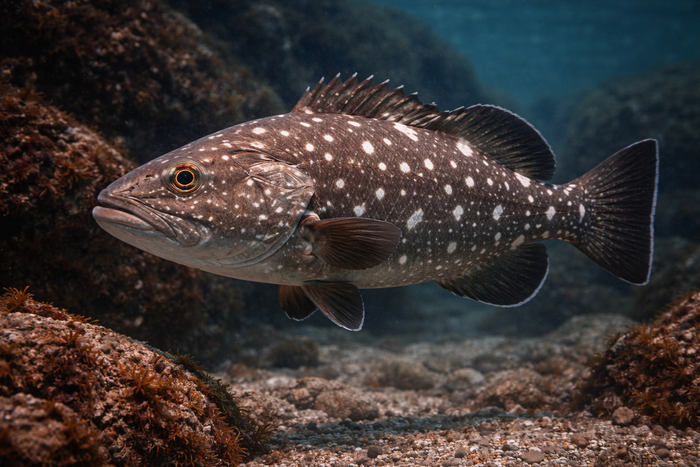
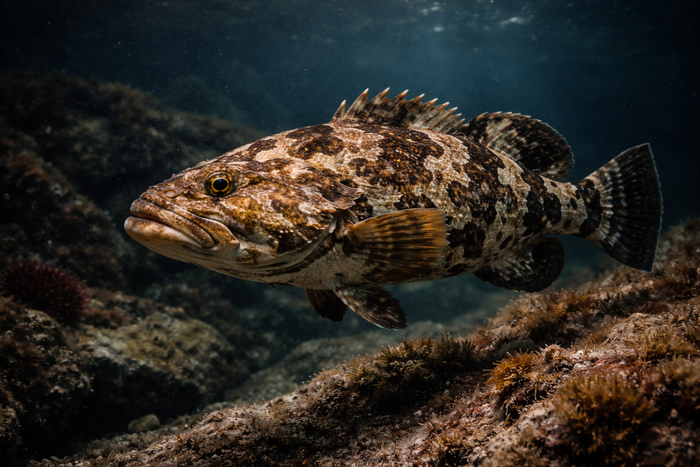
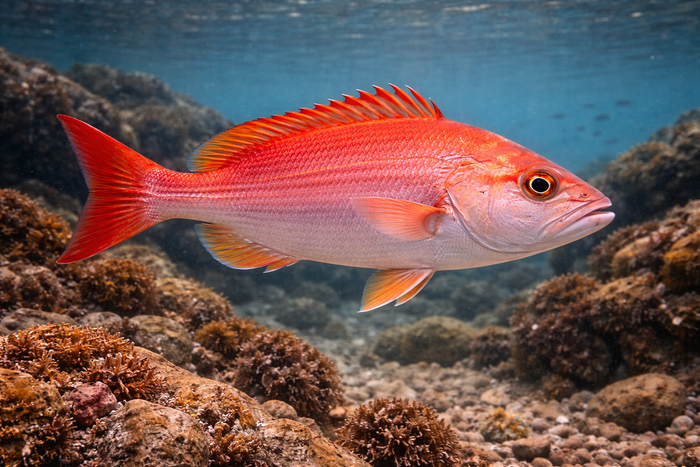
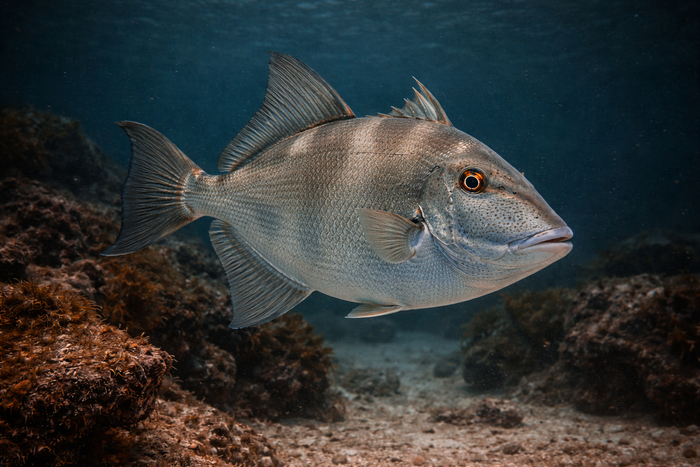
The Gag Grouper stands out for several reasons, not least its impressive size and distinctive coloration. Unlike many reef fish, it sports a muted palette of grayish-brown with darker blotches, which helps it blend seamlessly into rocky and coral environments. But don’t mistake its camouflage for meekness. This grouper is a top predator, known for its powerful jaws and ambush hunting tactics.
One of the most intriguing Gag Grouper facts is its ability to change sex. These fish are protogynous hermaphrodites, meaning they start life as females and later transition to males. This biological twist plays a crucial role in their social structure and breeding dynamics, ensuring the population maintains a healthy balance of sexes.
Habitat & Global Range
Gag Grouper habitat is primarily centered around the western Atlantic Ocean, stretching from North Carolina down through the Gulf of Mexico and into the Caribbean. They prefer rocky ledges, coral reefs, and artificial structures like shipwrecks where they can lurk and hunt.
Depth-wise, these fish are versatile. Juveniles stick to shallower waters, often around 10 to 30 meters, while adults venture deeper, sometimes down to 100 meters. This vertical range allows them to exploit different prey and avoid competition. Their preference for structured habitats makes them a staple of reef ecosystems, where they contribute to the balance of marine life.
Behavior & Temperament
Gag Groupers are solitary hunters with a reputation for patience and precision. They lie in wait, using their mottled coloration to blend into the reef, then strike with explosive speed. Their diet consists mainly of fish, crustaceans, and cephalopods, making them apex predators in their niche.
Socially, these groupers are relatively reserved. Outside of spawning seasons, they keep to themselves, maintaining territories that they defend aggressively. During spawning, males become more dominant, gathering harems of females. This shift in behavior is tied to their sex change and ensures reproductive success.
Despite their size and strength, Gag Groupers are not overly aggressive toward humans unless provoked. They are curious but cautious, often retreating when approached by divers. Their temperament makes them a prized catch for sport fishermen who respect their power and elusiveness.
Ecological Importance
The Gag Grouper plays a vital role in maintaining the health of reef ecosystems. As a top-level predator, it controls populations of smaller fish and invertebrates, preventing any one species from overwhelming the habitat. This balance supports coral health and biodiversity.
Their predatory habits also influence the behavior and distribution of prey species, which can have cascading effects throughout the food web. By regulating prey populations, Gag Groupers help sustain the complex interactions that keep reefs vibrant and resilient.
Moreover, Gag Groupers contribute to nutrient cycling. When they feed and excrete waste, they redistribute nutrients across different reef zones, supporting primary productivity and the growth of corals and algae.
Conservation & Environmental Pressures
Despite their ecological importance, Gag Groupers face significant threats. Overfishing is the most pressing issue, driven by their popularity in commercial and recreational fisheries. Their slow growth, late maturity, and sex-changing nature make them particularly vulnerable to population declines.
Habitat degradation also poses a risk. Coral reef destruction, pollution, and climate change impact the quality of Gag Grouper habitat, reducing shelter and prey availability. These environmental pressures compound the challenges of maintaining healthy populations.
Management efforts include size and bag limits, seasonal closures during spawning, and protected areas. These measures aim to give Gag Grouper populations a fighting chance to recover and sustain their role in the ecosystem. However, enforcement and compliance remain critical to their success.
The FishyAF Take
The Gag Grouper is a fish that demands respect. It’s a master of its domain, blending power, strategy, and biological quirks into a package that’s both fascinating and essential. Understanding Gag Grouper facts and habitat is more than trivia—it’s a window into the delicate balance of reef ecosystems and the challenges they face.
For anglers, divers, and conservationists alike, the Gag Grouper represents a benchmark species. Protecting it means safeguarding the reefs and the intricate marine communities they support. So next time you hear about a Gag Grouper, remember it’s not just another fish. It’s a cornerstone of the ocean’s architecture, a predator with a story, and a species worth every effort to preserve.