Snowy Grouper (Hyporthodus niveatus): The Arctic Ghost of the Reef, Silent but Deadly
The Snowy Grouper is no wallflower. With a name that conjures images of icy waters and pristine white landscapes, this fish actually thrives in warm, deep waters off the Americas. Hyporthodus niveatus commands attention with its striking pale coloration and impressive size. It’s a heavyweight contender in the grouper family, boasting a presence that’s both elegant and formidable. If you’re diving into Snowy Grouper facts, prepare for a species that blends mystery, muscle, and ecological importance beneath the waves.
What Makes the Snowy Grouper Unique?
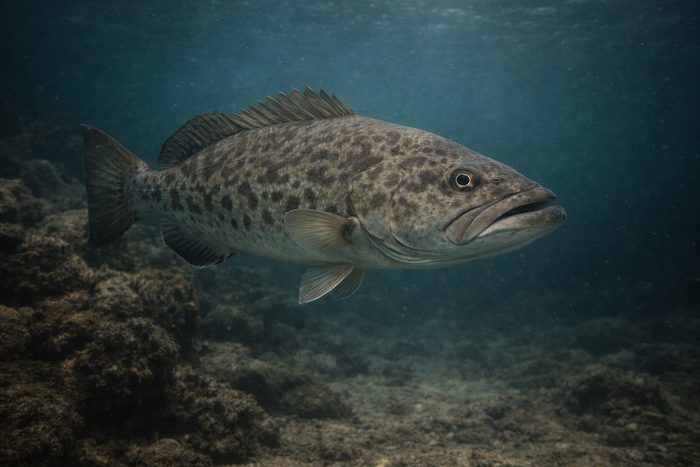
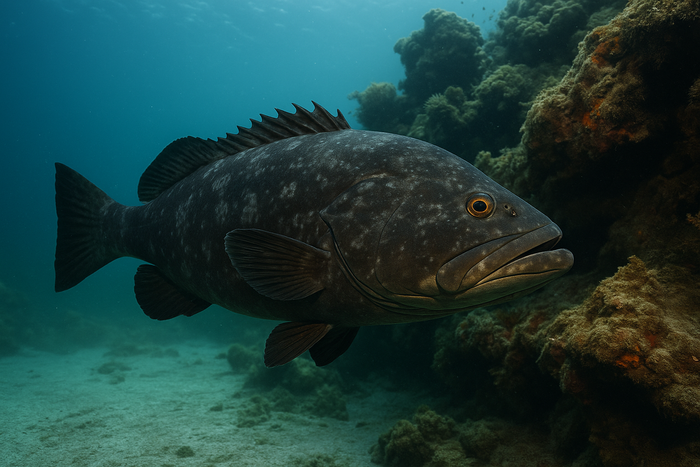
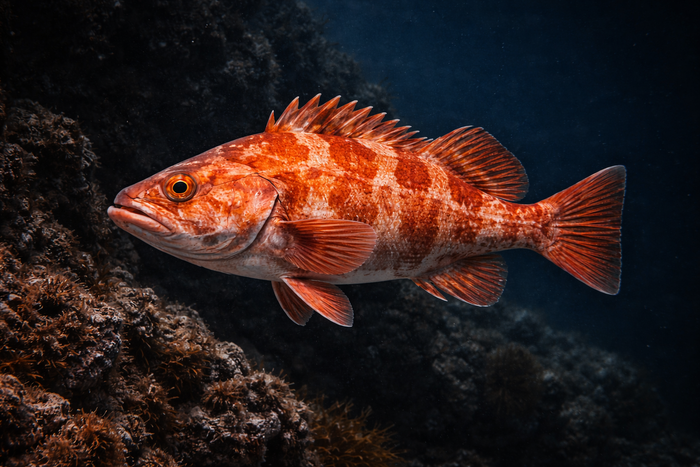
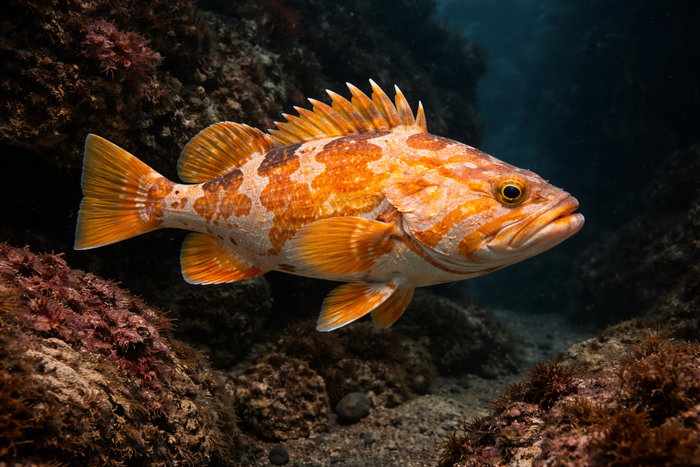
Snowy Groupers stand out in a sea of colorful reef fish thanks to their pale, almost ghostly appearance. Their bodies are covered in small white spots that shimmer against a grayish background, giving them a snowy, frosted look that’s rare among groupers. Unlike many of their more vibrantly colored cousins, they rely on subtle camouflage rather than flashy displays.
But looks aren’t all. Snowy Groupers are deep-water specialists, often found at depths where sunlight barely penetrates. This sets them apart from other groupers that prefer shallower reefs. Their robust bodies and powerful jaws make them apex predators in their niche, capable of ambushing prey with explosive speed. They are also protogynous hermaphrodites, meaning they start life as females and later transition to males—a fascinating reproductive strategy that influences population dynamics.
Habitat & Global Range
Snowy Grouper habitat spans the western Atlantic Ocean, from the southeastern United States down through the Gulf of Mexico and Caribbean Sea, extending as far south as Brazil. They prefer rocky reefs, ledges, and deep offshore structures, typically between 60 and 400 meters deep. This deep-water preference means they’re less accessible to casual snorkelers but a prized target for deep-sea anglers and commercial fisheries.
Their affinity for cooler, deeper waters within tropical and subtropical zones places them in a unique ecological niche. Snowy Groupers often inhabit areas with strong currents and complex underwater topography, which provide ample hunting grounds and shelter. This habitat choice also means they are less vulnerable to some coastal threats but more susceptible to deep-water fishing pressures.
Behavior & Temperament
Snowy Groupers are solitary hunters. They stake out territories on rocky outcrops and wait patiently for prey—mostly smaller fish and crustaceans—to wander too close. Their hunting style is a mix of stealth and sudden bursts of power, relying on camouflage and ambush tactics rather than chasing down prey over long distances.
Despite their size and predatory nature, Snowy Groupers are not aggressive toward divers or humans unless provoked. They exhibit typical grouper behavior: slow-moving, deliberate, and cautious. Their territoriality can flare during spawning seasons when males become more dominant and protective.
Ecological Importance
As mid-level predators, Snowy Groupers play a critical role in maintaining the balance of reef ecosystems. By controlling populations of smaller fish and invertebrates, they help prevent any single species from overwhelming the habitat. This keeps the reef community diverse and resilient.
Their presence also indicates healthy deep-water reef systems. Because they require specific habitat conditions—clean water, complex structures, and stable prey populations—their abundance can serve as a gauge for ecosystem health. Losing Snowy Groupers would ripple through the food web, potentially leading to overpopulation of prey species and degradation of reef environments.
Conservation & Environmental Pressures
Snowy Grouper populations have faced increasing pressure from commercial and recreational fishing. Their deep-water habitats make them vulnerable to bottom longline and trap fisheries, which can be indiscriminate and damaging to the seafloor. Overfishing has led to declines in some regions, prompting management measures like catch limits and seasonal closures.
Habitat degradation is less of a direct threat compared to shallower reef species, but deep-water ecosystems are not immune. Pollution, climate change, and ocean acidification can alter prey availability and habitat structure. The slow growth and late maturity of Snowy Groupers mean they recover slowly from population declines, making sustainable fishing practices essential.
The FishyAF Take
The Snowy Grouper is a master of subtlety and strength, a deep-water heavyweight that commands respect without flashy colors or theatrical displays. Its unique blend of ghostly appearance, deep habitat preference, and ecological role makes it a standout species in the grouper family. For anglers and conservationists alike, understanding Snowy Grouper facts is crucial to appreciating and protecting this underwater enigma.
If you want to keep seeing these pale predators patrolling the depths, it’s time to get serious about sustainable fishing and habitat protection. The Snowy Grouper isn’t just another fish on the menu—it’s a vital piece of the marine puzzle, quietly holding down the fort in the shadowy reefs far below the surface.