Atlantic Tripletail (Lobotes surinamensis): The Ocean’s Master of Disguise and Ambush
The Atlantic Tripletail is no ordinary fish. With a name that hints at three tails but actually refers to its unique fin structure, this species commands attention both for its odd silhouette and its cunning behavior. Found cruising coastal waters with an uncanny ability to blend into its surroundings, the Atlantic Tripletail is a favorite among anglers and marine biologists alike. This guide dives deep into Atlantic Tripletail facts, revealing what makes this fish a standout in the crowded world of saltwater species.
What Makes the Atlantic Tripletail Unique?
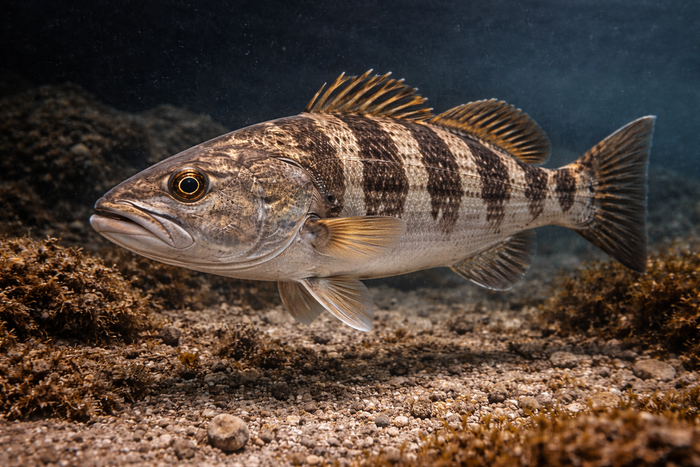
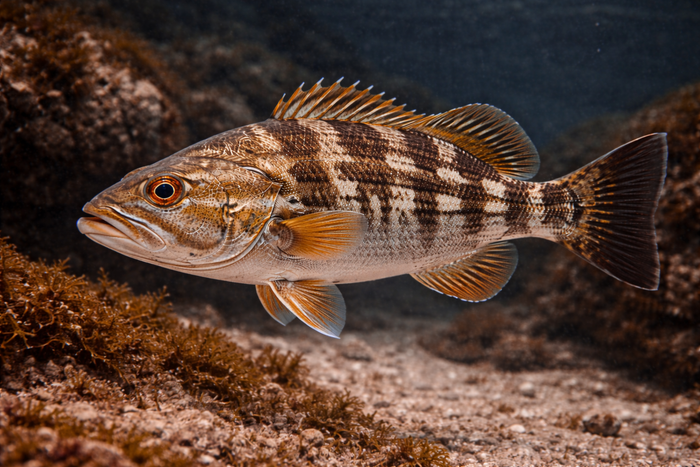
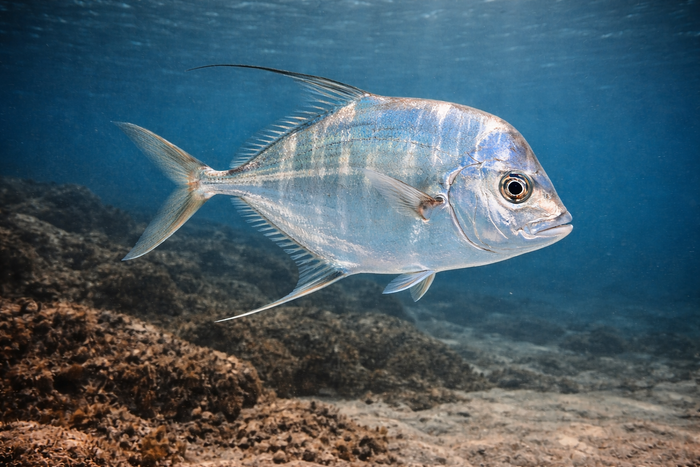
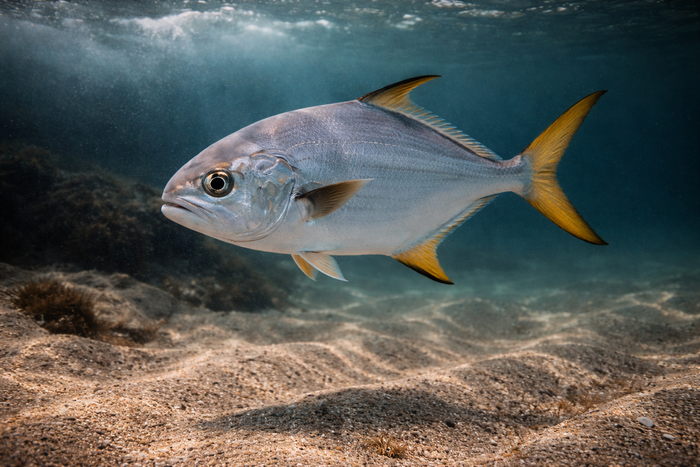
Forget the usual fish shape. The Atlantic Tripletail’s defining feature is its three-lobed tail appearance, created by the fusion of its dorsal and anal fins with the caudal fin. This gives it a rounded, almost leaf-like profile that’s perfect for mimicking floating debris or seaweed. It’s a master of disguise, using this shape to ambush prey and avoid predators. Unlike many fish that rely on speed, the tripletail relies on stealth and surprise.
Its coloration is another trick up its sleeve. The Atlantic Tripletail can shift from dark brown to yellowish hues, matching the environment from murky estuaries to sunlit open waters. This color adaptability, combined with its shape, makes it one of the ocean’s most effective ambush predators.
Habitat & Global Range
Atlantic Tripletail habitat spans warm temperate and tropical waters of the western Atlantic Ocean, from Massachusetts down to Brazil, including the Gulf of Mexico and the Caribbean. They prefer coastal zones where structure is abundant—think floating debris, buoys, pilings, and seaweed mats. These fish are often found near the surface, hugging objects that offer cover.
Unlike deep-water dwellers, tripletails thrive in shallow bays, estuaries, and nearshore reefs. Their affinity for floating or stationary structures is a key survival strategy, allowing them to blend in and hunt efficiently. This habitat preference also means they’re frequently encountered by anglers targeting inshore gamefish.
Behavior & Temperament
The Atlantic Tripletail is a patient predator. It’s not a fast chaser but an expert ambusher. By positioning itself near floating objects, it waits for unsuspecting prey—small fish, crustaceans, and cephalopods—to come close enough for a quick strike. Its slow, deliberate movements and ability to remain motionless make it a stealthy hunter.
Temperament-wise, tripletails are generally solitary and not aggressive toward humans. They can be curious but tend to avoid confrontation. For anglers, they offer a challenging fight due to their strength and stubbornness once hooked. Their behavior around boats and floating debris makes them accessible but not easy to catch.
Ecological Importance
Atlantic Tripletails play a vital role in coastal ecosystems. As mid-level predators, they help regulate populations of smaller fish and invertebrates, maintaining balance in the food web. Their presence near floating debris also highlights their role in the increasingly important microhabitats formed by natural and man-made structures.
Moreover, tripletails serve as prey for larger predators like sharks and dolphins, linking multiple trophic levels. Their adaptability to various coastal habitats makes them indicators of ecosystem health, especially in estuarine environments where human impact is high.
Conservation & Environmental Pressures
While not currently listed as endangered, Atlantic Tripletails face several environmental pressures. Coastal development, pollution, and habitat degradation threaten the floating debris and structural habitats they rely on. Additionally, their popularity among sport fishermen means localized overfishing can impact populations if not managed properly.
Climate change poses another challenge. Rising sea temperatures and altered current patterns could shift their range, potentially disrupting established ecosystems. Conservation efforts should focus on protecting coastal habitats, regulating fishing pressure, and monitoring population trends to ensure this species remains a resilient part of the marine community.
The FishyAF Take
The Atlantic Tripletail is a fish that demands respect. It’s not flashy or fast but smart and adaptable, with a design that screams evolutionary ingenuity. For anglers, it’s a prized catch that tests skill and patience. For conservationists, it’s a reminder of the delicate balance in coastal ecosystems and the importance of preserving structural habitats.
Understanding Atlantic Tripletail facts and habitat preferences is key to appreciating this species beyond its quirky name. It’s a bold player in the marine world, blending form and function in a way that few fish can match. Keep an eye out for this master of disguise next time you’re near a buoy or floating weed line—it’s probably watching you back.