Barramundi (Lates calcarifer): The Fish That Owns Both Fresh and Saltwater
The Barramundi is no ordinary fish. Known scientifically as Lates calcarifer, this species commands respect across the Indo-Pacific with its striking size, adaptability, and culinary reputation. Whether you’re a seasoned angler, a conservationist, or just a curious fish enthusiast, understanding the Barramundi means diving into a story of resilience, versatility, and ecological significance. This guide delivers the essential Barramundi facts you need, from its unique biology to its role in aquatic ecosystems.
What Makes the Barramundi Unique?
Barramundi are biological shape-shifters. They are protandrous hermaphrodites, meaning they start life as males and later transform into females. This sex change is not just a quirky fact; it’s a survival strategy that maximizes reproductive success in fluctuating environments. Add to that their ability to thrive in both fresh and saltwater, and you’ve got a fish that defies simple classification.
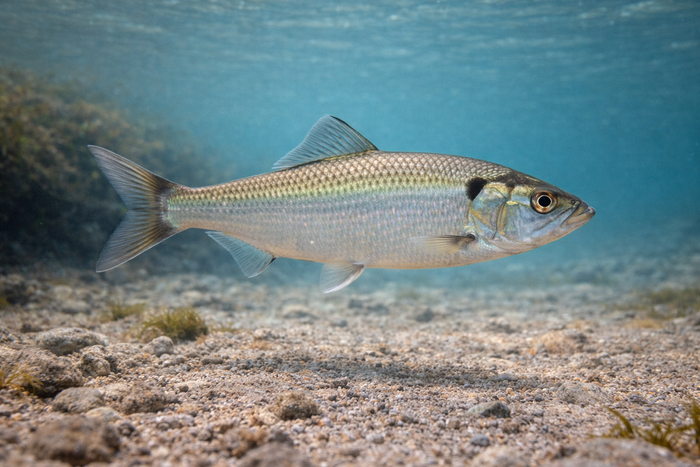
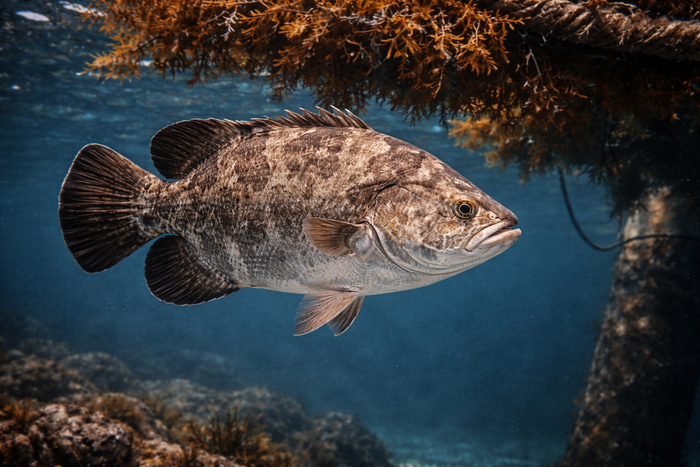
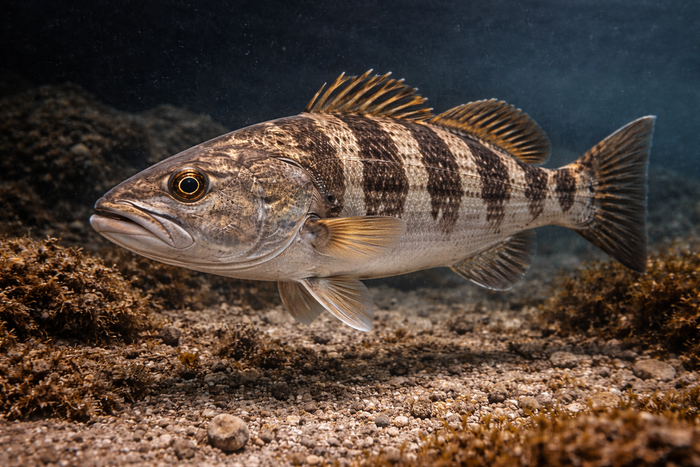
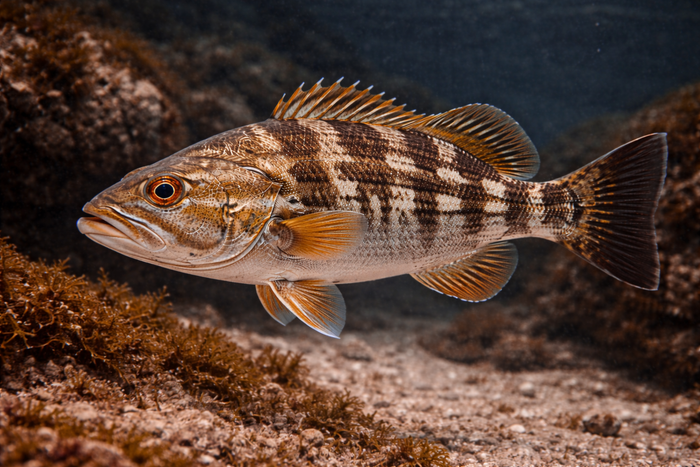
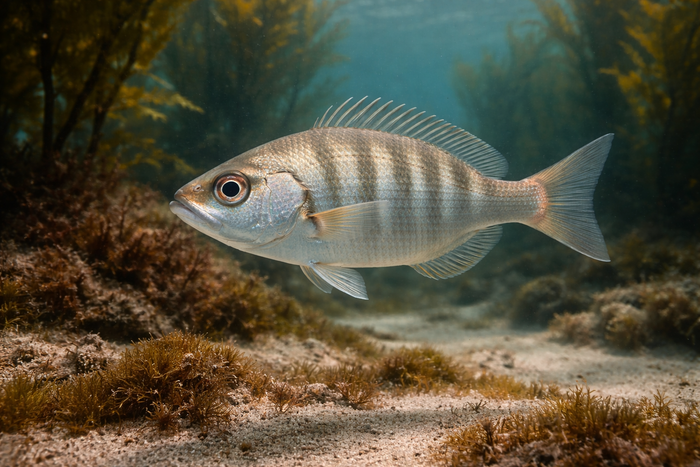
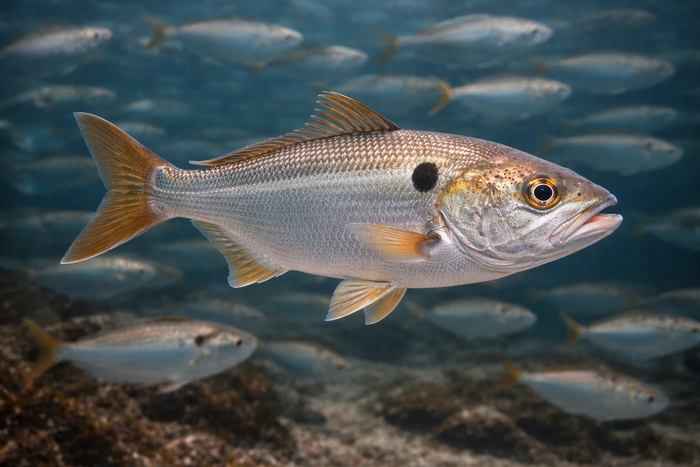
Their physical build is equally impressive. Barramundi sport a sleek, silver body with a slightly compressed shape, perfect for swift movement through water. Their large, powerful jaws and sharp teeth make them apex predators in their habitats. This fish is built for both speed and strength, making it a prized catch for sport fishermen and a formidable hunter in the wild.
Habitat & Global Range
The Barramundi’s habitat is a study in versatility. Native to the Indo-West Pacific region, they inhabit coastal waters, estuaries, and freshwater rivers. Their range stretches from the Persian Gulf through Southeast Asia to northern Australia and Papua New Guinea. This broad distribution is a testament to their adaptability.
Barramundi habitat includes mangrove-lined estuaries, tidal flats, and freshwater billabongs. They tolerate a wide range of salinities, moving between saltwater and freshwater during different life stages. Juveniles often develop in freshwater or brackish environments before migrating to coastal waters as adults. This migratory pattern is crucial for their lifecycle and survival.
Behavior & Temperament
Barramundi behavior is as dynamic as their habitat. They are solitary hunters, relying on stealth and sudden bursts of speed to capture prey. Their diet consists mainly of smaller fish, crustaceans, and insects. Barramundi are ambush predators, often lurking near structures like submerged logs or rocky outcrops.
Despite their predatory nature, Barramundi are not aggressive toward humans unless provoked. They are known for their strong fight when hooked, making them a favorite among sport fishers. Their temperament in captivity can vary, but they generally require ample space and clean water to thrive.
Ecological Importance
Barramundi play a pivotal role in their ecosystems. As top-level predators, they help maintain the balance of fish populations and control the spread of invasive species. Their presence indicates a healthy aquatic environment, especially in estuarine and riverine systems.
Moreover, Barramundi contribute to nutrient cycling. By moving between freshwater and marine environments, they transport nutrients across ecosystems, supporting biodiversity. Their spawning migrations also stimulate ecological connectivity between habitats, benefiting a wide range of aquatic organisms.
Conservation & Environmental Pressures
Despite their resilience, Barramundi face growing environmental pressures. Habitat destruction, particularly the loss of mangroves and estuaries due to coastal development and pollution, threatens their breeding grounds. Overfishing, both commercial and recreational, has led to localized population declines.
Climate change adds another layer of complexity. Rising water temperatures and altered salinity patterns can disrupt Barramundi habitat and breeding cycles. However, their adaptability offers some hope for survival if conservation measures are implemented effectively.
Sustainable aquaculture practices have emerged as a vital tool in Barramundi conservation. Farming this species reduces pressure on wild stocks and supports global demand. Still, maintaining genetic diversity and preventing habitat degradation remain critical challenges.
The FishyAF Take
Barramundi is a fish that commands attention for all the right reasons. Its biological quirks, ecological role, and adaptability make it a standout species in the aquatic world. For anglers, it’s a thrilling catch. For conservationists, a barometer of ecosystem health. For chefs, a versatile and delicious ingredient.
Understanding Barramundi facts and habitat is key to appreciating this species beyond the dinner plate or fishing line. Protecting their environments and promoting sustainable practices ensures that future generations can experience the power and beauty of the Barramundi. This fish is not just a catch; it’s a symbol of aquatic resilience and adaptability that deserves respect and protection.