Hickory Shad (Alosa mediocris): The Anadromous Ace of Eastern Waters
The Hickory Shad is no wallflower in the world of anadromous fish. Known for its sleek, torpedo-shaped body and a mouthful of sharp teeth, this species commands attention from anglers and ecologists alike. Often overshadowed by its more famous relatives like the American shad or the herring, the Hickory Shad holds its own with a distinct blend of biology and behavior that makes it a fascinating subject for anyone serious about fish. If you’re after Hickory Shad facts that go beyond the basics, you’re in the right place.
What Makes the Hickory Shad Unique?
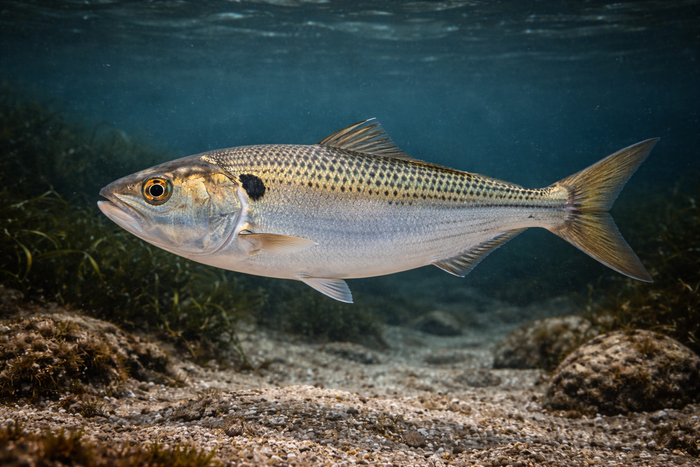
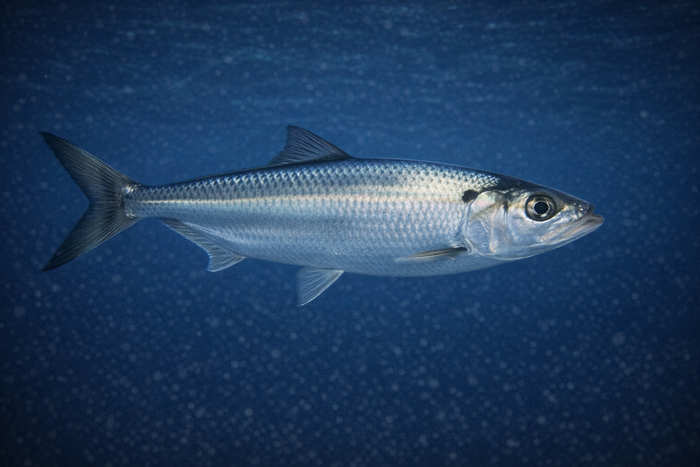
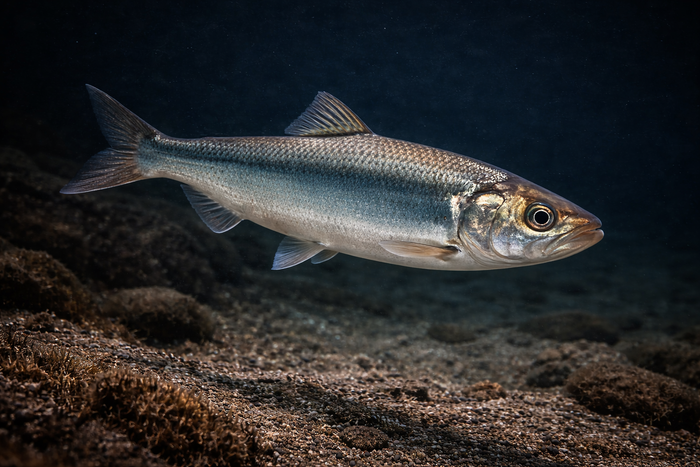
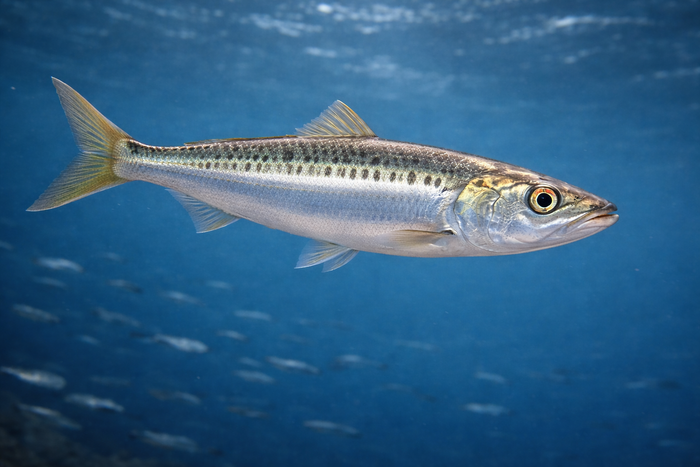
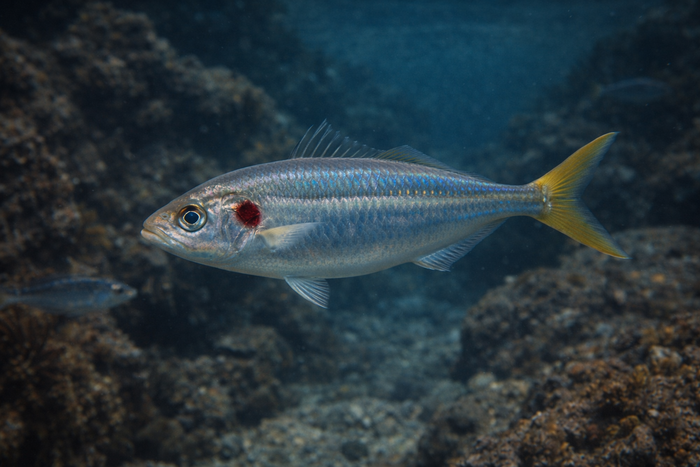
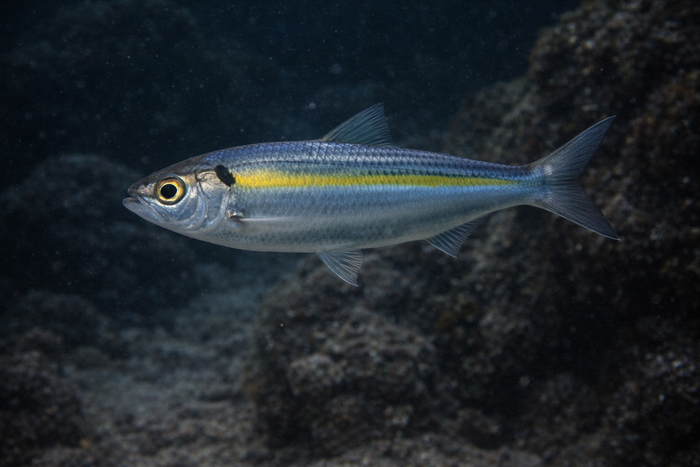
The Hickory Shad stands out for several reasons. First, its mouth is a defining feature—unlike many shads, it has a pronounced lower jaw that juts out well beyond the upper jaw, lined with sharp teeth designed for a predatory lifestyle. This sets it apart from other members of the Clupeidae family, which tend to be filter feeders or plankton eaters.
Another unique trait is its spawning behavior. Hickory Shad are anadromous, meaning they live most of their lives in saltwater but migrate to freshwater to spawn. What’s notable is their timing and choice of spawning grounds. They tend to run upriver earlier in the spring than many other shad species, often preferring faster-flowing, rocky-bottomed streams. This preference influences their distribution and the ecosystems they impact.
Their diet also diverges from typical shad fare. While many shad species feed primarily on plankton, Hickory Shad are more predatory, feeding on smaller fish and larger invertebrates. This dietary difference affects their role in the food web and their behavior during migration and feeding seasons.
Habitat & Global Range
Hickory Shad habitat is primarily along the Atlantic coast of North America, ranging from the St. Lawrence River in Canada down to Florida. They are most commonly found from New Jersey to South Carolina, where they make their annual runs into freshwater rivers and streams.
These fish prefer estuarine environments during their marine phase, thriving in brackish waters where salt and fresh water mix. When it’s time to spawn, they migrate upriver into freshwater habitats, often traveling dozens of miles inland. They favor rivers with moderate to strong currents and substrates composed of gravel or rocks, which provide ideal conditions for egg deposition and development.
Their ability to tolerate a range of salinities makes them adaptable, but they are sensitive to changes in water quality and flow. This sensitivity ties directly into their conservation status and the environmental pressures they face.
Behavior & Temperament
Hickory Shad are known for their strong migratory instincts and schooling behavior. During their ocean phase, they travel in large schools, which can make them a target for commercial and recreational fishing. Their schooling provides safety in numbers but also concentrates their populations during migration, which can be a double-edged sword.
During spawning runs, they become more solitary and aggressive. Their predatory nature surfaces as they hunt smaller fish and invertebrates to fuel their energy-intensive migration and reproduction. Anglers prize Hickory Shad for their spirited fight on the line, thanks to their muscular build and sharp teeth.
Temperament-wise, they are not the easiest fish to catch or keep. Their sharp teeth require careful handling, and their preference for fast-moving water means they are often found in challenging fishing spots. They are not known for long-term captivity, making them a species best appreciated in the wild.
Ecological Importance
Hickory Shad play a critical role in coastal and riverine ecosystems. As both predator and prey, they help maintain the balance of species populations. Their predation on smaller fish and invertebrates controls those populations, while they themselves are a vital food source for larger predators such as striped bass, ospreys, and humans.
Their spawning migrations contribute to nutrient cycling between marine and freshwater systems. When they move upriver to spawn, they transport marine-derived nutrients into freshwater habitats, enriching those ecosystems. After spawning, many die, and their decomposing bodies provide a nutrient boost that supports aquatic food webs.
The presence of healthy Hickory Shad populations is often an indicator of good water quality and ecosystem health. Because they require clean, flowing rivers for spawning, their abundance can reflect the condition of freshwater habitats.
Conservation & Environmental Pressures
Despite their ecological importance, Hickory Shad face several environmental pressures. Habitat degradation is a primary concern. Dams, pollution, and urban development have altered many of the rivers they rely on for spawning. These changes reduce available habitat and can block migration routes entirely.
Overfishing, both commercial and recreational, has also impacted populations. While not as heavily targeted as some other shad species, the concentration of Hickory Shad during spawning runs makes them vulnerable to overharvest.
Climate change adds another layer of complexity. Changes in water temperature and flow patterns can disrupt spawning timing and success. Increased storm events and altered salinity in estuaries further stress these fish.
Conservation efforts focus on habitat restoration, dam removal or modification, and regulations on fishing practices. Monitoring Hickory Shad populations provides valuable data for managing coastal and freshwater ecosystems.
The FishyAF Take
The Hickory Shad is a fish that demands respect. It’s not just another anadromous species to tick off a list. Its unique morphology, predatory habits, and ecological role make it a standout in eastern North American waters. For anglers, it offers a challenging and rewarding target. For conservationists, it serves as a barometer of river and estuary health.
Understanding Hickory Shad facts and habitat is crucial for anyone invested in the future of coastal fisheries and freshwater ecosystems. This species embodies the complex interplay between marine and freshwater environments, and its survival hinges on our ability to protect and restore those connections.
If you want a fish that’s bold, biologically interesting, and ecologically significant, the Hickory Shad fits the bill. It’s a reminder that even the “mediocre” in its scientific name is a misnomer—this fish is anything but average.