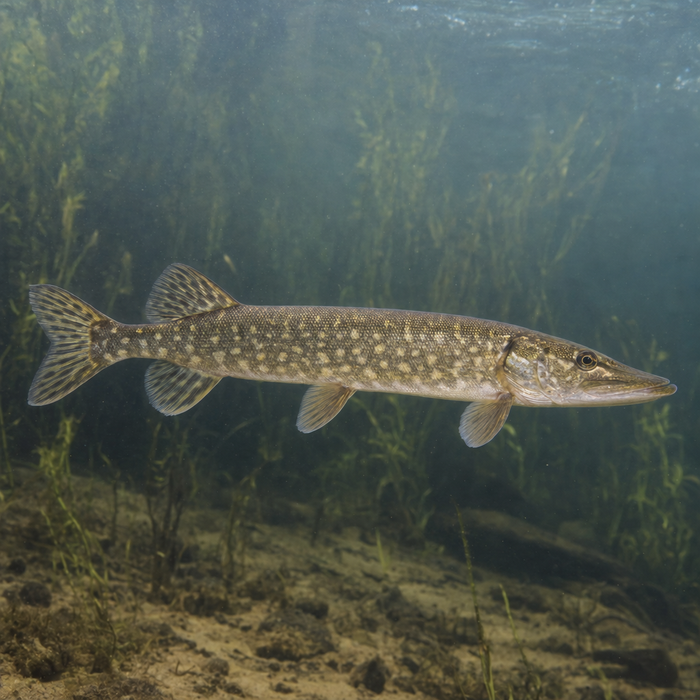
Chain Pickerel (Esox niger): The Ambush Predator with a Chain-Link Legacy
The Chain Pickerel is a freshwater predator that commands attention with its sleek, torpedo-shaped body and unmistakable chain-like pattern. Part of the pike family, this fish is a master of stealth and sudden strikes, making it a favorite among anglers and aquatic ecologists alike. Known for its aggressive hunting style and adaptability, the Chain Pickerel is a key player in North American freshwater ecosystems. This guide dives deep into Chain Pickerel facts, exploring what sets this species apart, where it thrives, and why it matters.
What Makes the Chain Pickerel Unique?
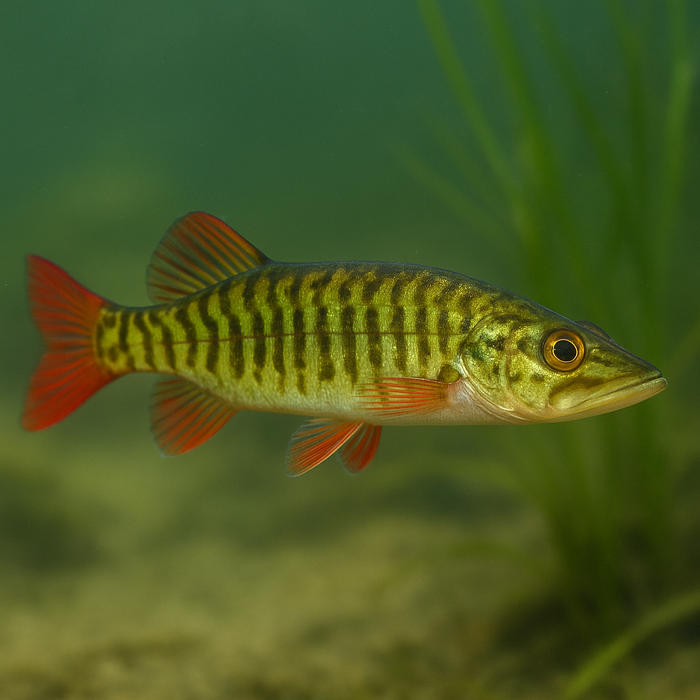
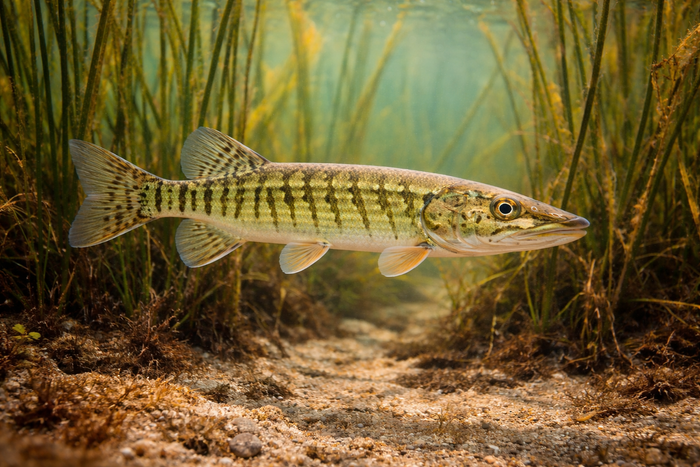
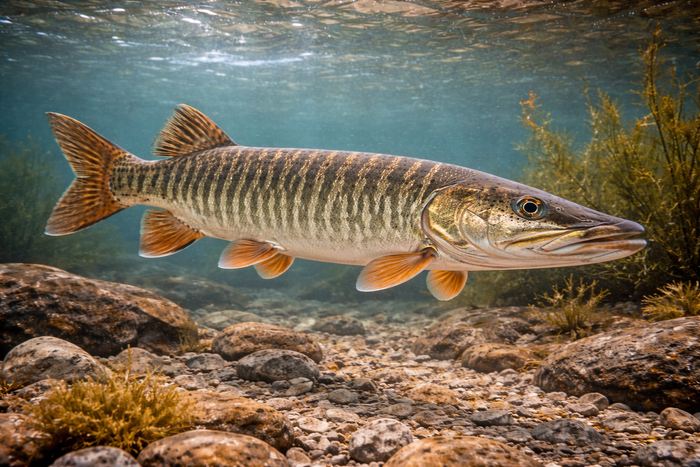
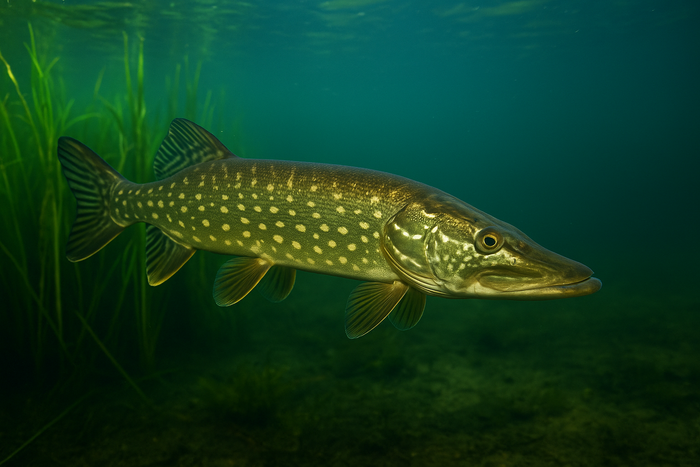
The Chain Pickerel’s signature feature is its intricate, dark, chain-like markings that run along its olive-green body. These patterns aren’t just for show; they provide excellent camouflage among submerged vegetation, allowing the fish to blend seamlessly into its environment. Unlike its close relatives, the northern pike and muskellunge, the Chain Pickerel is smaller but no less fierce. It boasts a long, slender body built for quick bursts of speed and precision strikes.
Another standout trait is its jaw structure. The Chain Pickerel’s mouth is packed with sharp teeth arranged in multiple rows, perfect for gripping slippery prey. Its lower jaw protrudes slightly beyond the upper, giving it a menacing underbite that’s ideal for ambush hunting. This fish relies heavily on surprise, lying in wait motionless before lunging at unsuspecting prey.
Habitat & Global Range
Chain Pickerel habitat is primarily freshwater bodies in the eastern United States and parts of southeastern Canada. They favor slow-moving or still waters with abundant aquatic vegetation—think weedy lakes, ponds, swamps, and sluggish rivers. The dense plant life is crucial, offering both cover for ambush and a rich hunting ground for smaller fish, amphibians, and invertebrates.
These fish are remarkably adaptable within their range. They can tolerate a variety of water conditions, from clear to murky, and can survive in moderately acidic or alkaline environments. Their range extends from the Atlantic coast westward to the Mississippi River basin, making them a common sight in many freshwater systems across this region.
Behavior & Temperament
Chain Pickerel behavior is defined by its ambush predator lifestyle. It’s a patient hunter, often found lurking motionless among weeds or submerged logs, waiting for the perfect moment to strike. When prey ventures close, the pickerel explodes into action, using its streamlined body and powerful tail to close the distance in a flash.
This species is solitary and territorial, especially during spawning season when males become particularly aggressive. Outside of breeding, Chain Pickerel tend to avoid confrontation unless provoked or competing for food. Their temperament can be described as bold but calculated—never reckless, always efficient.
Feeding habits are carnivorous and opportunistic. Chain Pickerel prey on smaller fish, crayfish, frogs, and even insects. Their diet shifts with availability, but they consistently prefer live prey they can ambush. This makes them important regulators of smaller fish populations.
Ecological Importance
Chain Pickerel play a crucial role in maintaining balance within freshwater ecosystems. As mid-level predators, they help control populations of smaller fish and invertebrates, preventing any one species from dominating the habitat. This predation pressure promotes biodiversity and healthy aquatic plant communities by limiting overgrazing by herbivorous fish.
Their presence also influences the behavior of prey species, encouraging them to seek cover and avoid open water, which can affect nutrient cycling and habitat use patterns. In this way, Chain Pickerel indirectly shape the structure and function of their environments.
Additionally, they serve as prey for larger predators such as birds of prey, larger fish, and mammals, linking multiple trophic levels. Their role as both predator and prey makes them a vital component of freshwater food webs.
Conservation & Environmental Pressures
Currently, Chain Pickerel populations are stable across most of their range, thanks to their adaptability and broad habitat tolerance. However, they are not immune to environmental pressures. Habitat destruction, pollution, and water quality degradation pose ongoing threats. Wetland drainage and shoreline development reduce the availability of the dense vegetation they rely on for cover and hunting.
Invasive species can also impact Chain Pickerel by competing for food or altering habitat conditions. Climate change adds another layer of uncertainty, potentially shifting water temperatures and affecting spawning cycles.
Sustainable fishing practices and habitat conservation efforts are essential to ensure Chain Pickerel continue to thrive. Protecting wetlands and maintaining water quality are critical steps in preserving the complex ecosystems that support this species.
The FishyAF Take
The Chain Pickerel is a fish that demands respect. It’s a sleek, efficient predator with a striking appearance and a vital ecological role. For anglers, it offers a thrilling challenge thanks to its aggressive strikes and cunning behavior. For conservationists, it’s a reminder of the delicate balance in freshwater habitats and the importance of protecting those environments.
Understanding Chain Pickerel facts and Chain Pickerel habitat is more than trivia—it’s about recognizing the interconnectedness of aquatic life and the subtle power of a species that punches above its weight. Whether you’re casting a line or studying freshwater ecosystems, the Chain Pickerel stands out as a bold, memorable character in the underwater world.