Redfin Pickerel (Esox americanus americanus): The Small But Fierce Predator That Packs a Punch
The Redfin Pickerel is a compact, aggressive member of the pike family that often flies under the radar. While it doesn’t grow to monstrous sizes like its northern cousin, the Northern Pike, this fish commands respect with its lightning-fast strikes and vivid red fins. Native to the eastern United States, the Redfin Pickerel is a freshwater predator that plays a crucial role in its ecosystem. This species guide dives into the essential Redfin Pickerel facts, from its distinctive features to its ecological importance and the challenges it faces in the wild.
What Makes the Redfin Pickerel Unique?
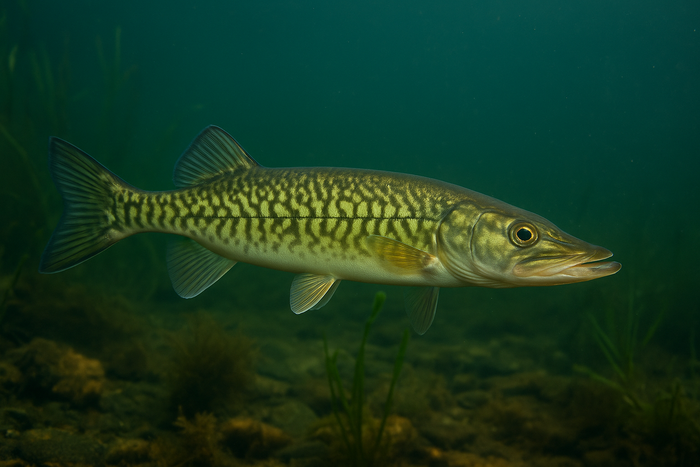
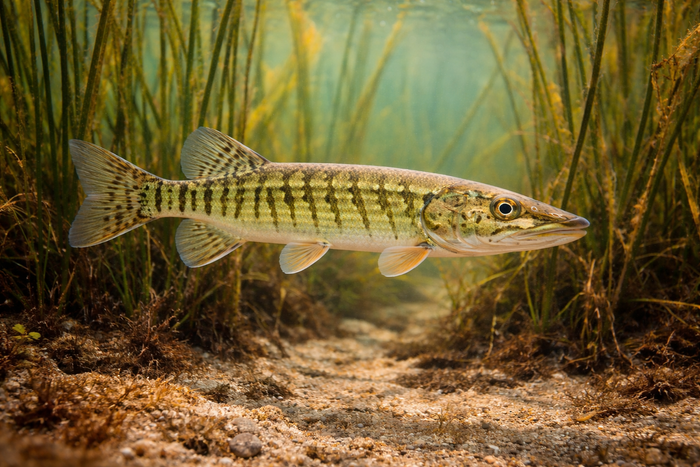
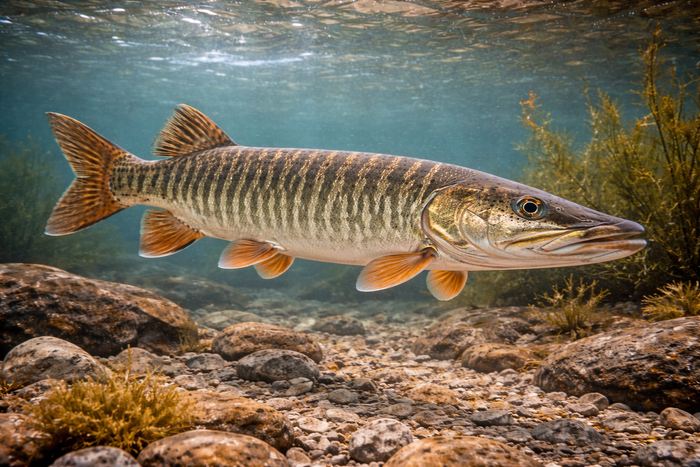
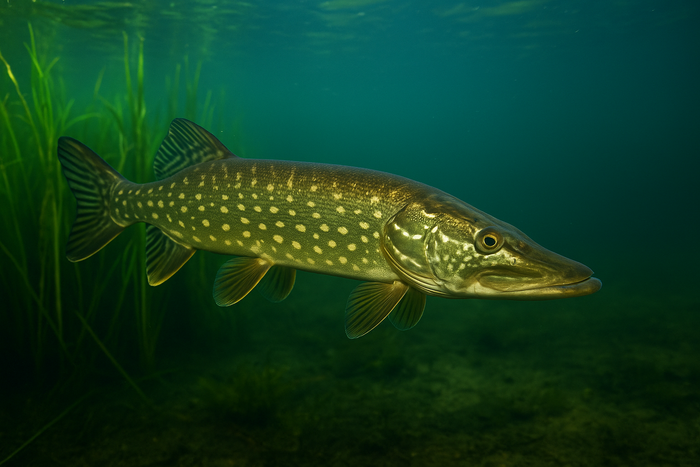
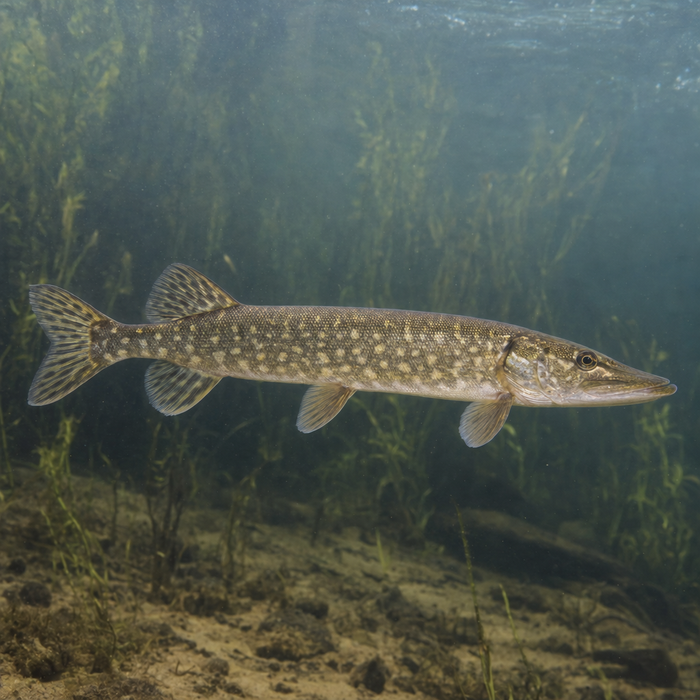
The Redfin Pickerel stands out with its slender, torpedo-shaped body and striking coloration. Its most notable feature is the bright red or orange tint on its fins, which contrasts sharply with its olive-green body patterned with dark vertical bars. This coloration isn’t just for show; it provides camouflage among aquatic vegetation, allowing the pickerel to ambush prey with surgical precision.
Unlike some of its Esox relatives, the Redfin Pickerel remains relatively small, rarely exceeding 12 inches. But don’t mistake size for lethality. This fish is a master ambush predator, relying on stealth and explosive bursts of speed to capture smaller fish and invertebrates. Its sharp teeth and streamlined body make it a formidable hunter in shallow, vegetated waters.
Habitat & Global Range
Redfin Pickerel habitat is primarily freshwater environments along the Atlantic coastal plain of the United States, stretching from New York down through Florida and west to parts of the Mississippi River basin. They favor slow-moving or still waters such as swamps, ponds, lakes, and sluggish streams. Dense aquatic vegetation is a must-have for these fish, providing both cover and hunting grounds.
This species thrives in warm, shallow waters rich in submerged plants. The vegetation not only offers protection from larger predators but also supports a healthy population of prey species. Redfin Pickerel are highly territorial and tend to stick close to their preferred cover, making them a challenge to spot but a rewarding catch for anglers who know where to look.
Behavior & Temperament
The Redfin Pickerel is a solitary, ambush predator. It spends most of its time motionless, blending into the underwater foliage, waiting for an unsuspecting meal to swim by. When prey ventures too close, the pickerel explodes into action, using its powerful tail to accelerate rapidly and snap up the target with razor-sharp teeth.
Despite its aggressive feeding style, the Redfin Pickerel is not known for schooling or social behavior. It’s a loner by nature, fiercely defending its territory from rivals. During spawning season, males become more active and territorial, engaging in brief but intense confrontations to secure breeding sites.
This species is also sensitive to water quality and temperature changes, which can influence its activity levels and feeding behavior. In colder months, the Redfin Pickerel becomes less active, often retreating to deeper waters or dense vegetation to conserve energy.
Ecological Importance
The Redfin Pickerel plays a vital role in maintaining the balance of freshwater ecosystems. As a mid-level predator, it helps control populations of smaller fish and aquatic invertebrates, preventing any one species from dominating the habitat. This predation pressure encourages biodiversity and healthy aquatic plant growth by regulating herbivorous prey species.
Additionally, the Redfin Pickerel serves as prey for larger fish, birds, and mammals, linking multiple trophic levels within its ecosystem. Its presence indicates a healthy, well-vegetated aquatic environment, making it a useful bioindicator for conservationists monitoring freshwater habitats.
Conservation & Environmental Pressures
While the Redfin Pickerel is not currently listed as endangered, it faces several environmental pressures that could impact its populations. Habitat destruction through wetland drainage, pollution, and urban development threatens the slow-moving, vegetated waters it depends on. Sedimentation and nutrient runoff can degrade water quality, reducing the availability of suitable cover and prey.
Invasive species pose another challenge. Competing predators and non-native plants can disrupt the delicate balance of Redfin Pickerel habitat, making survival tougher for this native species. Climate change adds an unpredictable variable, altering water temperatures and seasonal cycles that affect spawning and feeding behaviors.
Conservation efforts focused on protecting wetlands, improving water quality, and managing invasive species are essential to sustaining healthy Redfin Pickerel populations. Maintaining the integrity of their habitat benefits not only this species but the broader freshwater ecosystems they inhabit.
The FishyAF Take
The Redfin Pickerel may not be the largest or flashiest fish in the water, but it’s a prime example of evolutionary finesse. Its combination of stealth, speed, and striking coloration makes it a fascinating subject for anglers and ecologists alike. Understanding Redfin Pickerel facts and habitat needs is crucial for preserving these feisty predators and the ecosystems they support.
If you’re looking to add a bit of edge to your freshwater fishing experience, targeting Redfin Pickerel offers a rewarding challenge. Just remember, these fish thrive in well-vegetated, slow-moving waters that are increasingly under threat. Protecting their habitat isn’t just about saving one species—it’s about preserving the complex web of life that keeps our freshwater environments vibrant and balanced.