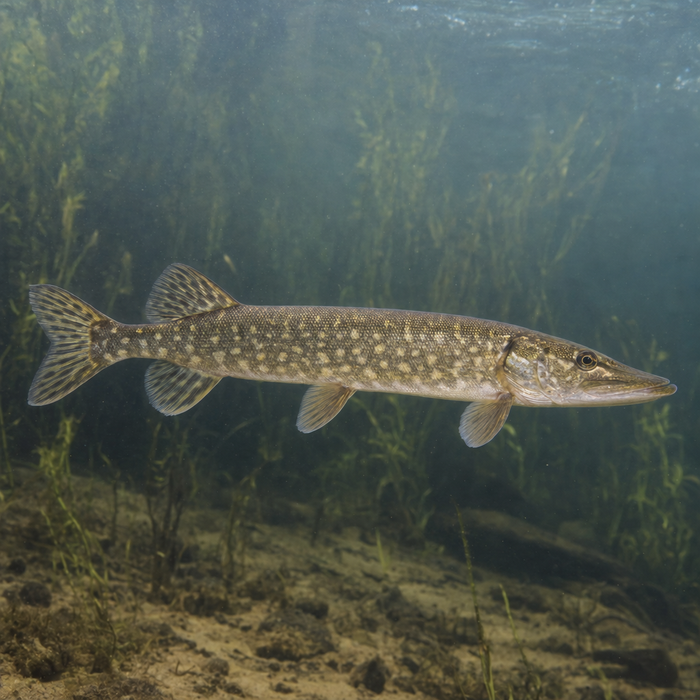
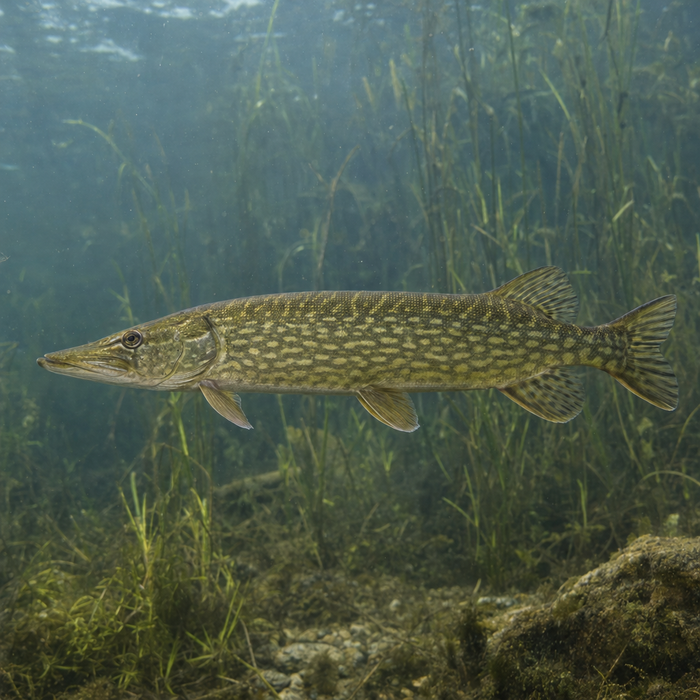
Northern Pike (Esox lucius): The Ambush Predator That Commands Freshwater Kingdoms
The Northern Pike is the quintessential freshwater predator, a fish that combines stealth, speed, and sheer aggression into one streamlined package. Known for its torpedo-shaped body, razor-sharp teeth, and a reputation that precedes it, the Northern Pike is a species that anglers respect and biologists study with fascination. This guide dives deep into Northern Pike facts, exploring what makes this fish a standout in the freshwater world and why its presence is crucial across its vast habitat.
What Makes the Northern Pike Unique?
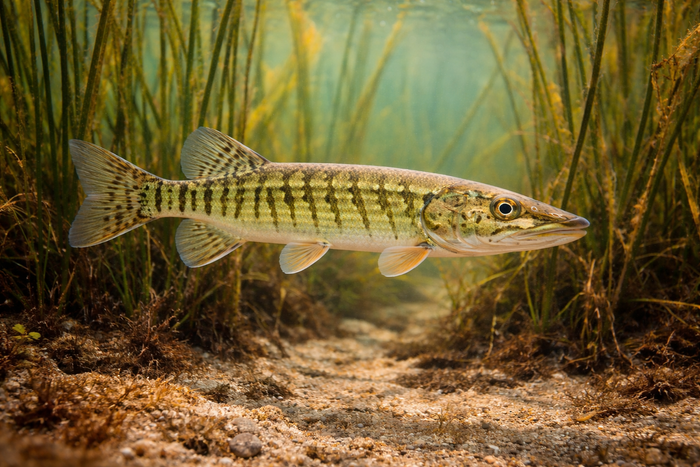
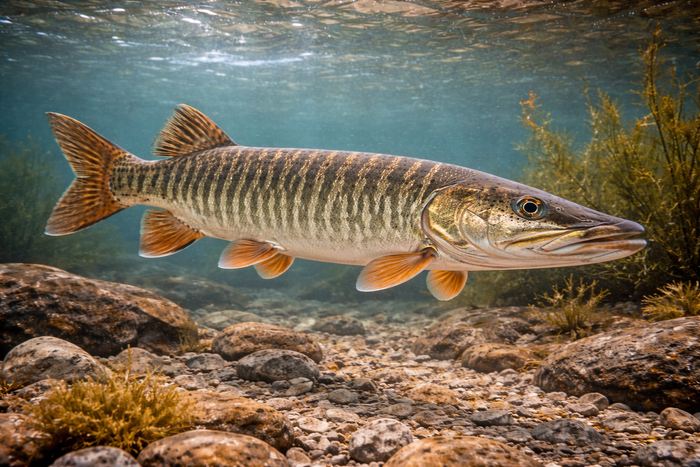
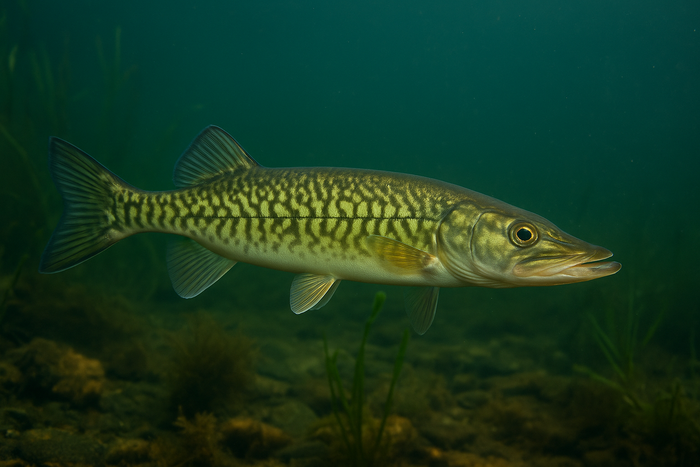
Northern Pike are the apex ambush predators of lakes and rivers across the Northern Hemisphere. Their elongated bodies and duckbill-shaped snouts are built for one thing: explosive bursts of speed to snatch prey before it knows what hit it. Unlike many fish that chase their meals, pike lie in wait, perfectly camouflaged among aquatic vegetation, ready to strike with lightning precision.
Their teeth are another standout feature—needle-sharp and backward-facing, designed to grip slippery prey and prevent any chance of escape. Pike are opportunistic feeders, snapping up anything from small fish and frogs to waterfowl and even small mammals that venture too close. This dietary flexibility is a hallmark of their adaptability.
Northern Pike also have a unique reproductive strategy. They spawn in shallow, vegetated waters early in spring, often before the ice has fully melted. This timing gives their offspring a head start in the food chain, ensuring a steady supply of young pike ready to grow into formidable predators.
Habitat & Global Range
Northern Pike habitat spans a vast geographic range, covering much of North America, Europe, and parts of Asia. They thrive in cool, freshwater environments, favoring lakes, slow-moving rivers, and marshes rich in aquatic plants. This dense vegetation is critical—it provides cover for ambush hunting and safe nursery grounds for their young.
You’ll find Northern Pike from the boreal forests of Canada and Scandinavia down to temperate zones, adapting to a variety of freshwater ecosystems. Their preference for clear, oxygen-rich waters with abundant vegetation makes them reliable indicators of healthy aquatic environments.
Seasonal movements are common. In colder climates, pike retreat to deeper waters during winter but return to shallow, weedy areas in spring and summer to feed and spawn. Their ability to tolerate a range of temperatures and water conditions contributes to their widespread distribution.
Behavior & Temperament
Northern Pike behavior is a study in predatory efficiency. They are solitary hunters, fiercely territorial, and known for their aggressive temperament. When it comes to feeding, pike are ambush specialists. They rely on stealth and sudden acceleration rather than endurance swimming, often remaining motionless for long periods before striking.
Their temperament extends beyond hunting. Pike are known to be highly competitive with conspecifics, often engaging in dominance displays and territorial disputes. This aggression can sometimes lead to cannibalism, especially when food is scarce.
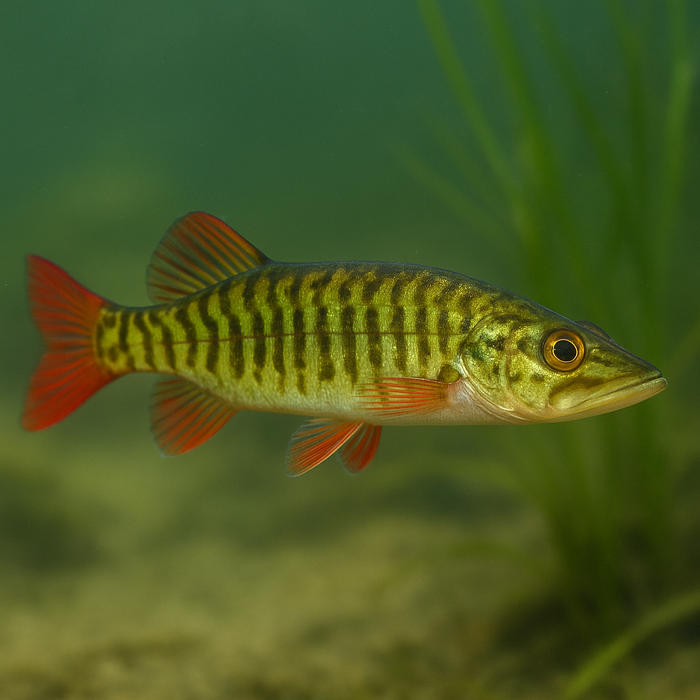
Despite their ferocity, Northern Pike are not mindless killers. They exhibit selective feeding habits, often targeting prey that maximizes energy intake relative to effort. Juvenile pike feed on invertebrates and small fish, gradually shifting to larger prey as they grow.
Ecological Importance
Northern Pike play a pivotal role in freshwater ecosystems as top predators. By regulating populations of smaller fish species, they maintain a balance that prevents any one species from dominating and degrading habitat quality. This predation pressure helps sustain biodiversity and healthy aquatic communities.
Their presence influences the behavior and distribution of prey species, creating a dynamic environment where fish must constantly adapt to avoid becoming a meal. This predator-prey interaction drives evolutionary pressures that enhance the resilience and complexity of freshwater ecosystems.
Additionally, Northern Pike contribute to nutrient cycling. By consuming prey and excreting waste, they help redistribute nutrients within the water column and sediment, supporting plant growth and overall ecosystem productivity.
Conservation & Environmental Pressures
While Northern Pike are widespread and generally resilient, they face growing environmental pressures. Habitat degradation through pollution, wetland drainage, and shoreline development threatens the aquatic vegetation essential for their survival. Loss of spawning grounds and nursery habitats can lead to population declines.
Climate change adds another layer of complexity. Altered water temperatures and flow patterns can disrupt spawning cycles and reduce suitable habitat. Invasive species also pose a threat by competing for food or introducing diseases.
Fishing pressure is a double-edged sword. Pike are prized game fish, and while regulated angling can support conservation through catch-and-release practices, overfishing or unregulated harvests risk local population collapses.
Conservation efforts focus on habitat protection, water quality improvement, and sustainable fishing regulations. Maintaining healthy Northern Pike populations is critical not just for anglers but for the integrity of freshwater ecosystems they dominate.
The FishyAF Take
Northern Pike are the freshwater equivalent of a stealth fighter jet—sleek, deadly, and built for precision strikes. Their unique combination of physical adaptations and behavioral strategies makes them one of the most fascinating and ecologically important fish in the Northern Hemisphere. Understanding Northern Pike facts and habitat needs is essential for anyone serious about freshwater ecology or fishing.
These fish demand respect. They are not just trophies for anglers but keystone species that shape the very ecosystems they inhabit. Protecting Northern Pike means protecting the health and diversity of our freshwater environments. So next time you hear about a Northern Pike lurking in the weeds, remember you’re dealing with a top-tier predator that has mastered the art of the ambush and earned its place at the top of the food chain.