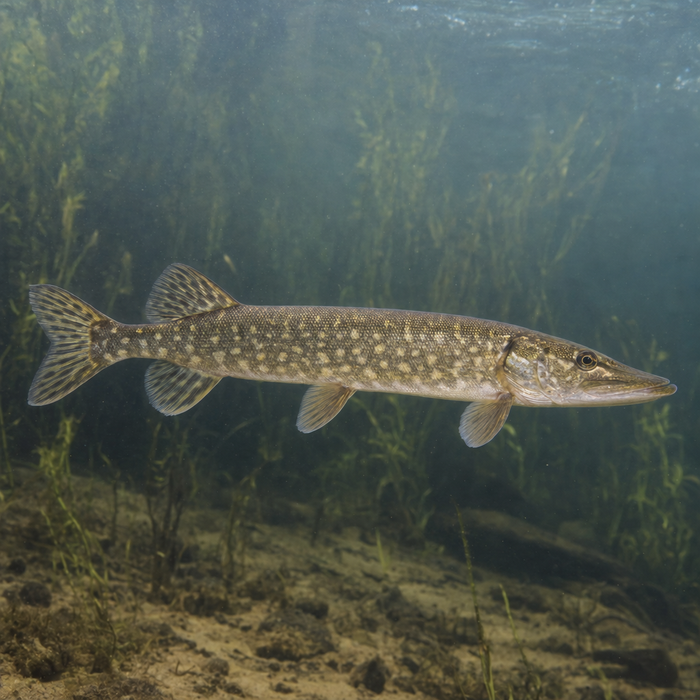
Grass Pickerel (Esox americanus vermiculatus): The Small But Fierce Pike That Packs a Punch
The Grass Pickerel is the scrappy cousin of the northern pike family, a compact predator that commands attention despite its modest size. Known scientifically as Esox americanus vermiculatus, this fish is a master of stealth and speed in freshwater environments. If you think small means insignificant, the Grass Pickerel will quickly prove you wrong. It’s a species that blends subtlety with aggression, making it a fascinating subject for anglers and biologists alike.
What Makes the Grass Pickerel Unique?
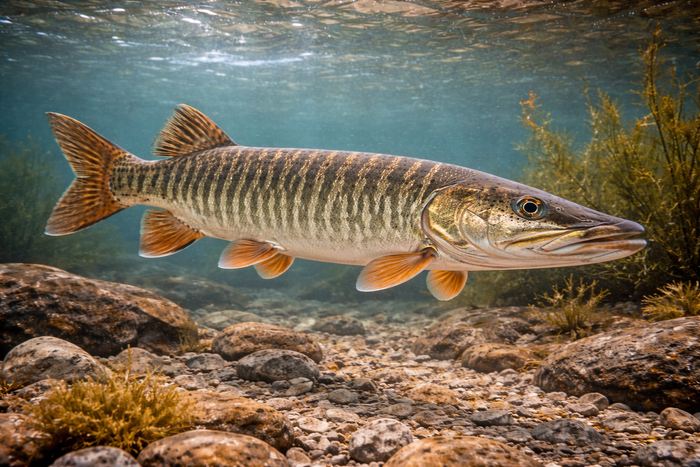
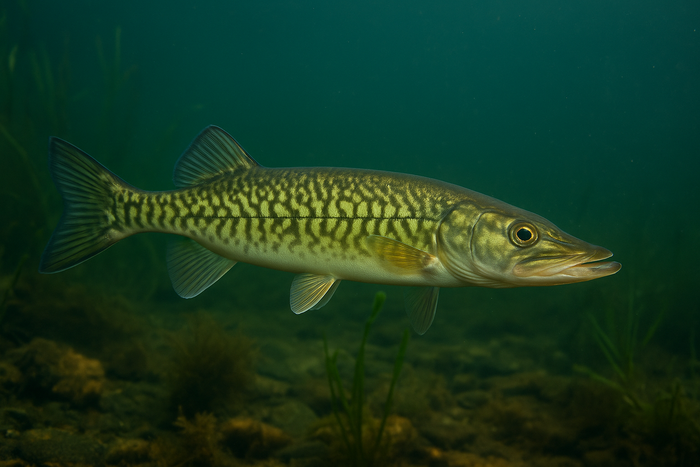
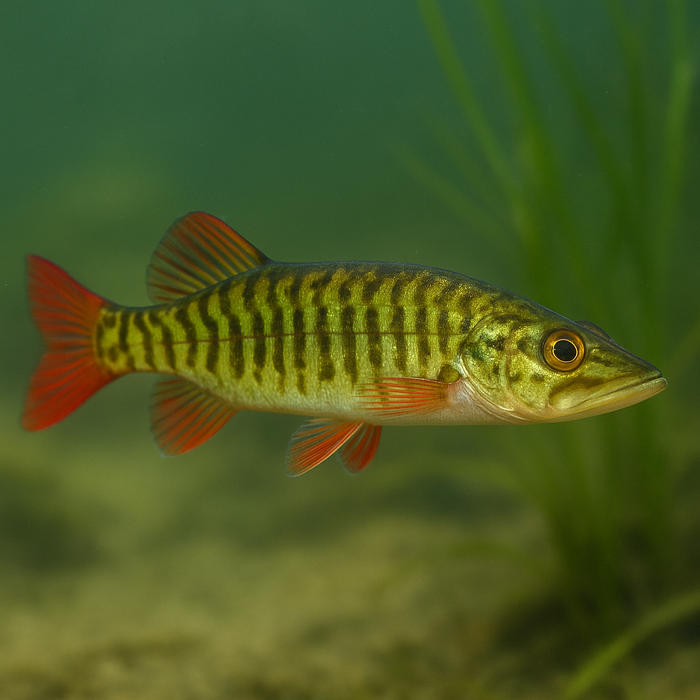
Forget the giant pike dominating the headlines. The Grass Pickerel stands out with its slender, streamlined body and distinctive patterning. Unlike its larger Esox relatives, it sports a series of dark vertical bars along its sides, giving it a camouflaged, almost tiger-striped appearance. This pattern isn’t just for show—it’s a tactical advantage in the dense aquatic vegetation where it hunts.
Its size might be on the smaller side, but the Grass Pickerel compensates with lightning-fast reflexes and a voracious appetite. It’s a true ambush predator, relying on bursts of speed rather than endurance. What’s more, its mouth is packed with sharp teeth designed to grab and hold slippery prey. This fish is a reminder that in the world of freshwater predators, size isn’t everything.
Habitat & Global Range
The Grass Pickerel is a North American native, primarily found in the central and eastern United States. Its preferred Grass Pickerel habitat includes slow-moving streams, swamps, and heavily vegetated ponds and lakes. The key word here is vegetation. This species thrives in areas where aquatic plants provide cover for stalking prey and protection from larger predators.
Unlike some of its more nomadic cousins, the Grass Pickerel tends to stick close to its chosen territory. It favors warm, shallow waters with plenty of submerged grasses and weeds. This environment not only offers camouflage but also supports a rich food web of smaller fish, amphibians, and invertebrates that make up its diet.
Behavior & Temperament
The Grass Pickerel is a textbook ambush predator. It spends most of its time motionless, blending into the underwater greenery, waiting for the perfect moment to strike. When prey ventures too close, it explodes into action with a rapid lunge. This behavior makes it a thrilling catch for anglers who appreciate a fight from a smaller fish.
Despite its aggressive hunting style, the Grass Pickerel is relatively shy around humans and larger fish. It’s not a social species and prefers solitude, except during spawning season when males become more territorial and vocal. Its temperament is a mix of cautious patience and sudden aggression, a balance that keeps it alive in competitive freshwater ecosystems.
Ecological Importance
Don’t underestimate the Grass Pickerel’s role in its ecosystem. As a mid-level predator, it helps regulate populations of smaller fish and invertebrates, maintaining a balanced food chain. This control prevents any one species from overwhelming the habitat, which could lead to ecological collapse.
Furthermore, the Grass Pickerel serves as prey for larger fish, birds, and mammals, linking different trophic levels. Its presence indicates healthy aquatic vegetation and water quality, making it a useful bioindicator for environmental monitoring. In short, the Grass Pickerel is a vital cog in freshwater ecosystems, quietly maintaining order beneath the surface.
Conservation & Environmental Pressures
While not currently listed as endangered, the Grass Pickerel faces challenges from habitat loss and water pollution. Wetland drainage, agricultural runoff, and urban development reduce the quality and availability of its preferred habitat. These pressures can lead to population declines, especially in areas where aquatic vegetation is removed or degraded.
Climate change adds another layer of complexity. Shifts in water temperature and flow patterns can disrupt spawning cycles and reduce prey availability. Conservation efforts focused on protecting wetlands and improving water quality are crucial for sustaining Grass Pickerel populations. Preserving the intricate plant life they depend on is not just good for them but for entire freshwater communities.
The FishyAF Take
The Grass Pickerel is a perfect example of how size doesn’t dictate impact. This small, sleek predator embodies efficiency and adaptability in freshwater environments. It’s a species that demands respect from anglers and ecologists alike for its role in maintaining ecological balance and its impressive hunting prowess.
If you’re diving into Grass Pickerel facts or scouting for prime Grass Pickerel habitat, remember you’re dealing with a fish that thrives on subtlety and surprise. It’s not flashy, but it’s unforgettable. For anyone serious about freshwater fishing or conservation, the Grass Pickerel offers a masterclass in how nature’s smaller players can punch well above their weight.