Muskellunge (Esox masquinongy): The Apex Predator That Commands Respect in Freshwater
The muskellunge, often just called muskie, is the freshwater equivalent of a stealthy tank. This fish doesn’t just swim in lakes and rivers; it dominates them. Known for its elusive nature and brutal strikes, the muskellunge is a trophy fish that anglers dream about but rarely catch. Understanding muskellunge facts is essential for anyone serious about freshwater fishing or aquatic ecology. This guide dives deep into what makes the muskellunge a standout species in North America’s waters.
What Makes the Muskellunge Unique?
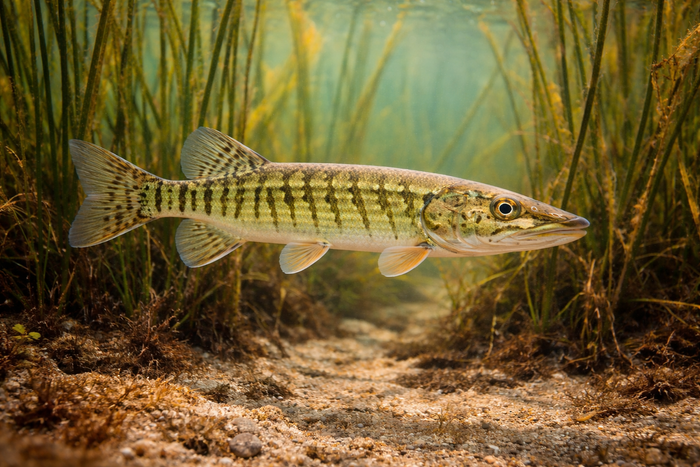
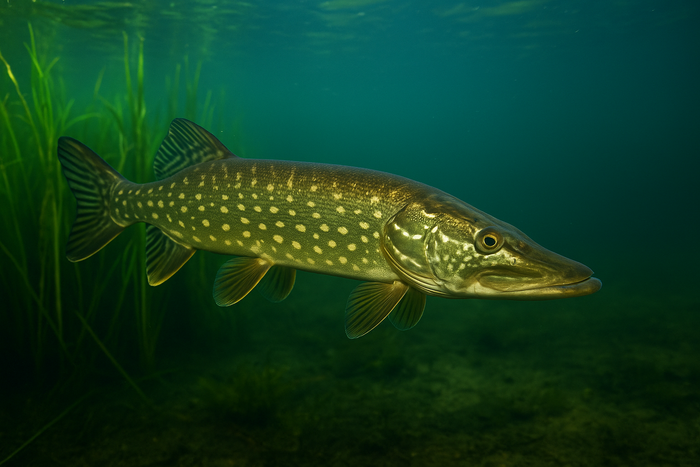
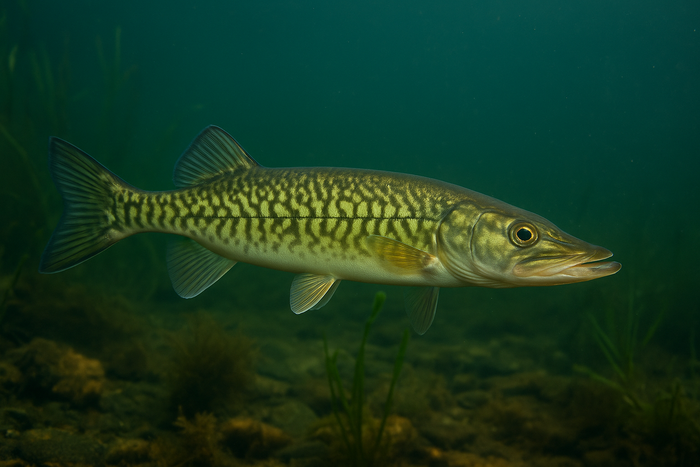
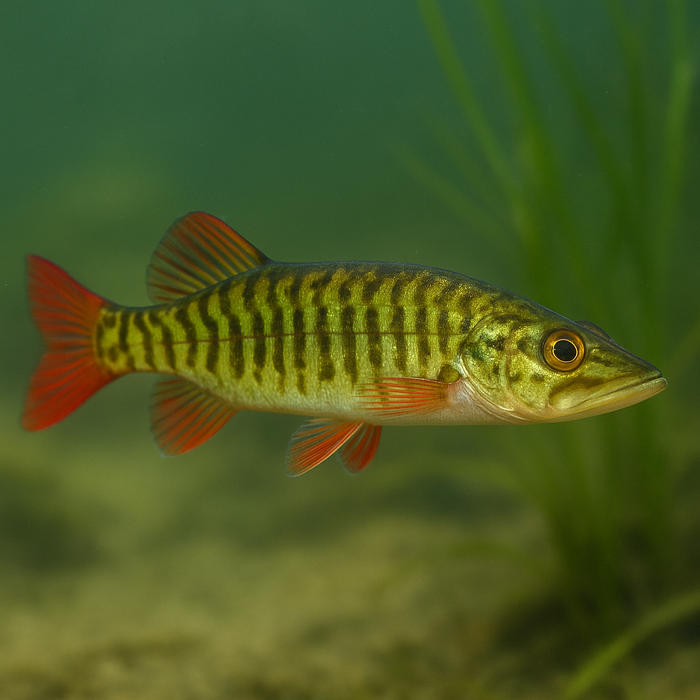
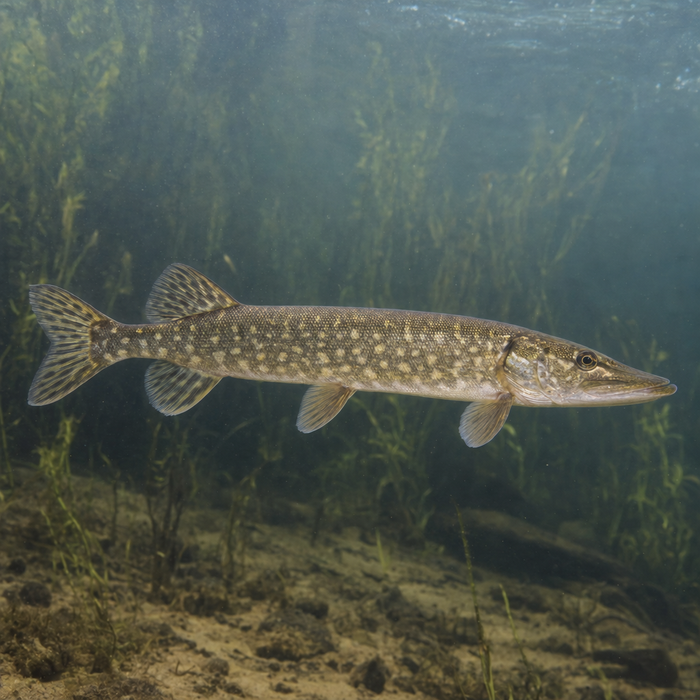
Muskellunge is not your average fish. It’s a top-tier predator with a sleek, torpedo-shaped body built for sudden bursts of speed. Its coloration varies from olive green to brown with dark vertical bars or spots, blending perfectly into weedy, shadowy environments. Unlike many fish, muskies have a mouth full of razor-sharp teeth designed to grip and hold slippery prey. They can grow impressively large, often exceeding 40 inches, making them a formidable opponent for anglers.
But size and teeth aren’t the only unique traits. Muskellunge have a slow growth rate and late maturity, which means they take years to reach their full potential. This slow life strategy makes them vulnerable to overfishing and environmental changes. Their hunting style is ambush-based, relying on patience and precision rather than speed alone. These muskellunge facts highlight a fish that is both a master hunter and a species sensitive to its surroundings.
Habitat & Global Range
Muskellunge habitat is primarily freshwater lakes and large rivers across the northern United States and southern Canada. They prefer clear waters with abundant vegetation, submerged logs, and rocky structures that offer cover for stalking prey. This species thrives in cooler waters, typically between 50 and 70 degrees Fahrenheit, and tends to avoid turbid or heavily polluted environments.
Geographically, muskellunge are native to the Great Lakes region, the St. Lawrence River, and parts of the upper Mississippi River basin. They have been introduced in other areas, sometimes with mixed ecological results. Their presence is a strong indicator of healthy aquatic ecosystems because they require clean water and abundant prey populations. Muskellunge habitat is a complex balance of water quality, temperature, and structural diversity, making them sensitive to environmental shifts.
Behavior & Temperament
Muskellunge are solitary hunters. They don’t school or travel in groups, preferring to patrol their territory alone. Their behavior is a mix of patience and explosive power. Muskies lie in wait near cover, then strike with lightning speed to capture fish, frogs, or even small mammals that venture too close.
Temperament-wise, muskellunge are notoriously wary. They have a reputation for being difficult to catch, often refusing lures that fool other species. This wariness is part of what makes muskellunge fishing so challenging and rewarding. Despite their aggressive hunting style, muskies are not aggressive toward humans unless provoked or handled improperly.
During spawning season, muskellunge become more active and move to shallow, gravelly areas. This period is critical for reproduction but also makes them more vulnerable to environmental disturbances and fishing pressure.
Ecological Importance
Muskellunge play a crucial role as apex predators in their ecosystems. By controlling populations of smaller fish, they help maintain a balanced food web. This predation pressure prevents any one species from dominating and helps sustain biodiversity in freshwater habitats.
Their presence also influences the behavior and distribution of prey species, which can affect aquatic vegetation and nutrient cycling. In other words, muskellunge indirectly shape the entire ecosystem, making them a keystone species in many northern freshwater environments.
Conservation & Environmental Pressures
Despite their tough image, muskellunge face significant conservation challenges. Overfishing, habitat loss, and pollution have all contributed to declines in some populations. Their slow growth and late maturity mean that recovery from overharvesting is slow and uncertain.
Habitat degradation is a major threat. Wetland drainage, shoreline development, and water pollution reduce the quality and availability of muskellunge habitat. Climate change adds another layer of complexity by altering water temperatures and seasonal patterns, potentially pushing muskies out of their optimal range.
Conservation efforts focus on habitat restoration, catch-and-release fishing practices, and stocking programs where natural populations have been depleted. Managing muskellunge populations requires a careful balance between recreational fishing interests and ecological sustainability.
The FishyAF Take
Muskellunge are the ultimate freshwater predators—beautiful, brutal, and brainy. They demand respect from anglers and biologists alike. Knowing muskellunge facts and understanding their habitat is not just about catching a big fish; it’s about appreciating a species that embodies the wild, untamed spirit of North America’s freshwater systems.
If you want to fish for muskellunge, prepare for a challenge. These fish don’t give up their secrets easily. But if you’re willing to learn their habits, respect their environment, and practice ethical fishing, the reward is a battle that few freshwater species can match.
For anyone serious about freshwater fishing or aquatic conservation, muskellunge are a symbol of what’s at stake—and what’s worth protecting—in our lakes and rivers. They’re not just fish; they’re legends in the water.