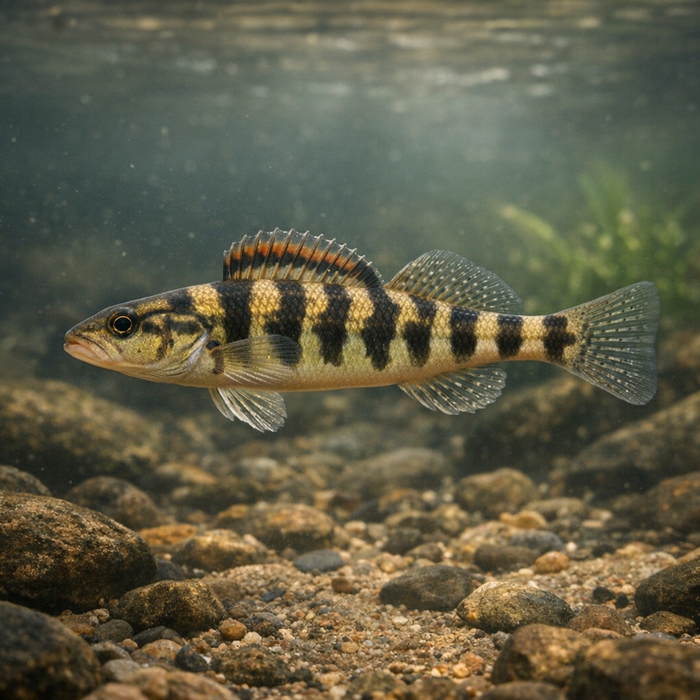
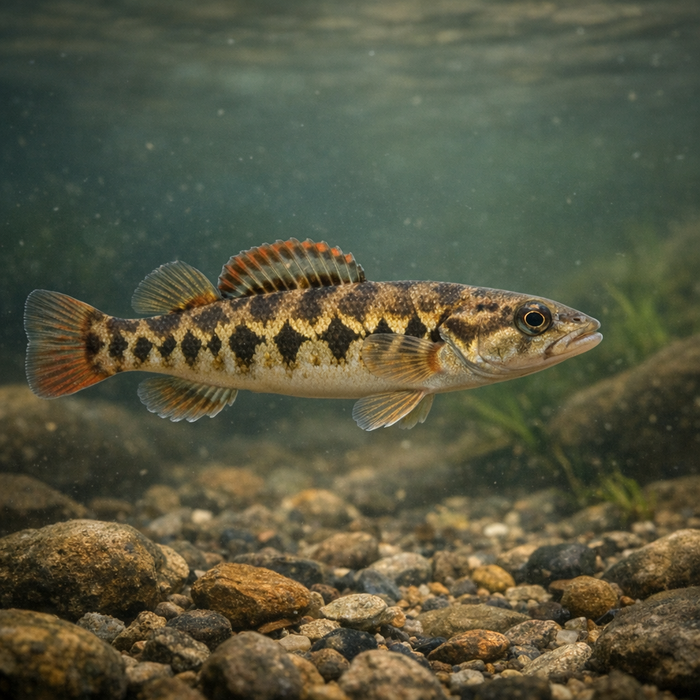
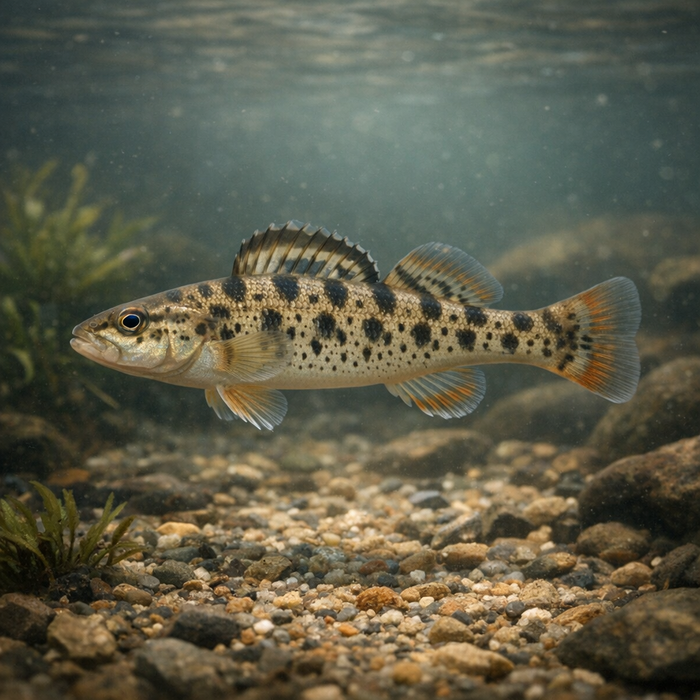
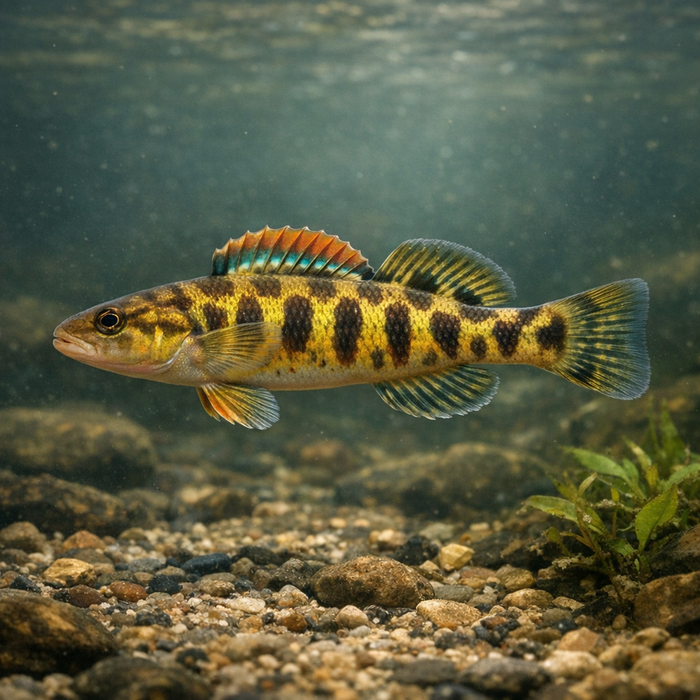
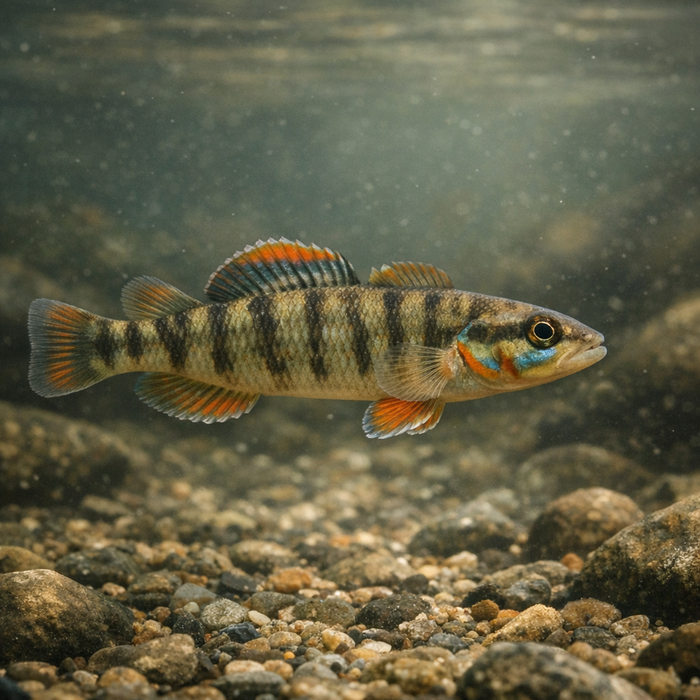
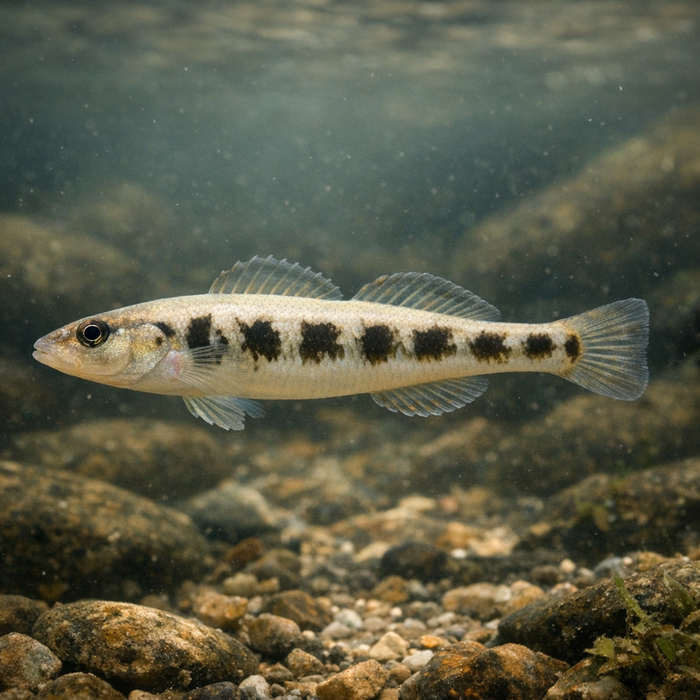
Cumberland Snubnose Darter (Etheostoma atripinne): A Bold, Memorable Hook LineIntroductionIf you like your fish small, fast, and living where the water breathes, the Cumberland snubnose darter is your jam. This riffle rocket packs color and attitude into a palm-sized package, and when you finally lay eyes on one, you'll understand why micro anglers obsess over clean gravel and knee-deep current. It is a perfect flagship for anyone chasing authentic Cumberland snubnose darter facts and looking to decode the precise, fizzy little spaces these fish call home.What Makes the Cumberland snubnose darter Unique?Two things: its physique and its flash. First, the body is purpose-built for life on the bottom. Like many darters, it largely does without a swim bladder, which means no bobbing midwater-just tight, grippy living on the rocks. Second, when spring hormones pop, males light up with bold oranges and teal-blues across fins and cheeks. The snub-nosed profile is not cosmetic either; that blunt snout is a pry bar for picking prey from tight cracks. Combine that with splayed pectorals acting like tripod stands, and you get a fish that owns the microcurrents.Habitat & Global RangeThe Cumberland snubnose darter is a Cumberland River Basin specialist, centered in Tennessee and Kentucky. Picture clear, cool streams where riffles chatter over pea gravel and small cobble. That's prime Cumberland snubnose darter habitat. They hang in shallow runs and riffle margins, often from ankle- to shin-deep, slipping into tiny depressions behind pebbles to save energy while the river hurries overhead. Impoundments, heavy silt, and murky flows are not their scene. Clean gravel, steady current, and oxygen are the non-negotiables.Behavior & TemperamentThis fish is kinetic minimalism. The Cumberland snubnose darter holds position, then fires short sprints forward like a rubber band snapping. It feeds by sight with small, precise lunges, not long chases. During spring, males defend micro-territories the size of a dinner plate, pushing rivals off preferred nesting pockets under or between stones. They're not aggressive bruisers, but for two inches of fish, the confidence is real. Expect activity to trend up with daylight and mild temps; extreme cold or roiled water dampens the show.Ecological ImportanceThe Cumberland snubnose darter is a living biofilter gauge. Because it demands clean gravel and high oxygen, its presence is a strong indicator of stream health. It converts the river's insect production-midges, mayflies, caddis-into protein that feeds larger fish, birds, and snakes. Eggs tucked into gravel and guarded by males avoid a lot of silt, showcasing a survival strategy tuned to flashy rains and spring pulses. Lose the riffles, lose the darter, and you've lost the alarm bell for the whole reach.Conservation & Environmental PressuresWhile currently considered stable overall, this species is only as safe as its riffles. Threats are classic: sediment from poor land use, channel modification, poorly placed culverts, and impoundments that flatten current and bury gravel in muck. Pollution hits hard because these fish breathe fast water; lowered oxygen or chemical spikes gut a stream reach quickly. Local populations can blink out if a single shoal is choked with silt. The fix is not rocket science: protect riparian buffers, manage runoff, and keep small streams connected and clean.The FishyAF TakeThe Cumberland snubnose darter punches way above its weight. If you chase small fish to sharpen big skills, this one's a masterclass in reading current and placing a perfect drift inside a space the size of a coffee mug. It's not a grip-and-grin trophy, but it's pure craftsmanship. Keep your hands wet, your hooks tiny, and your releases instant. Learn this fish, and you'll unlock every riffle you ever wade again. That's the real win, and the best kind of Cumberland snubnose darter facts you can earn on the water.