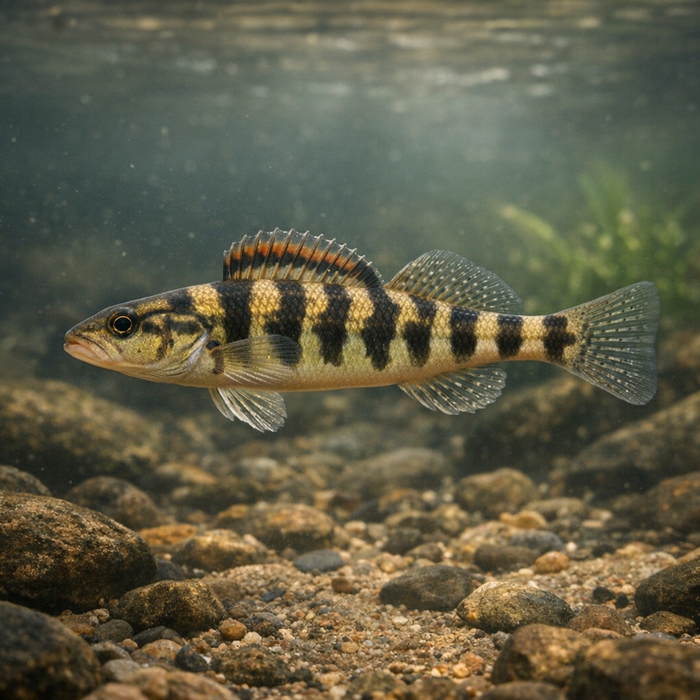
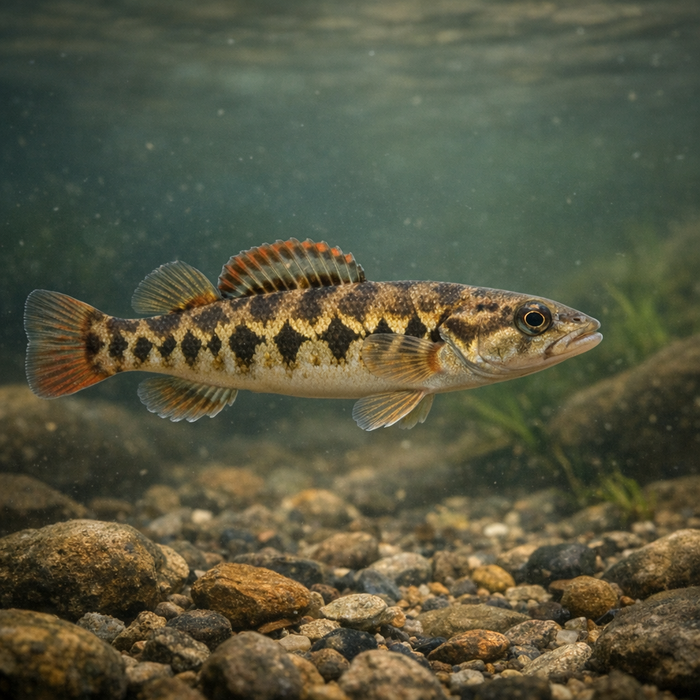
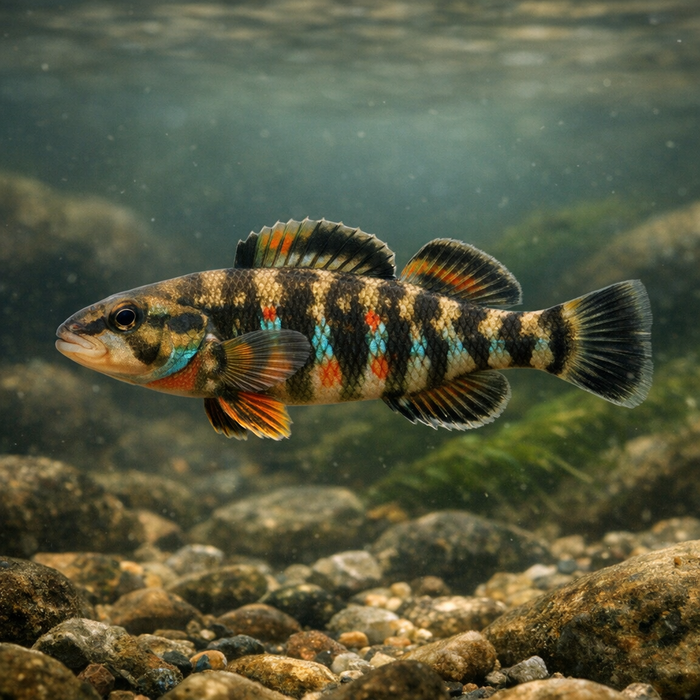
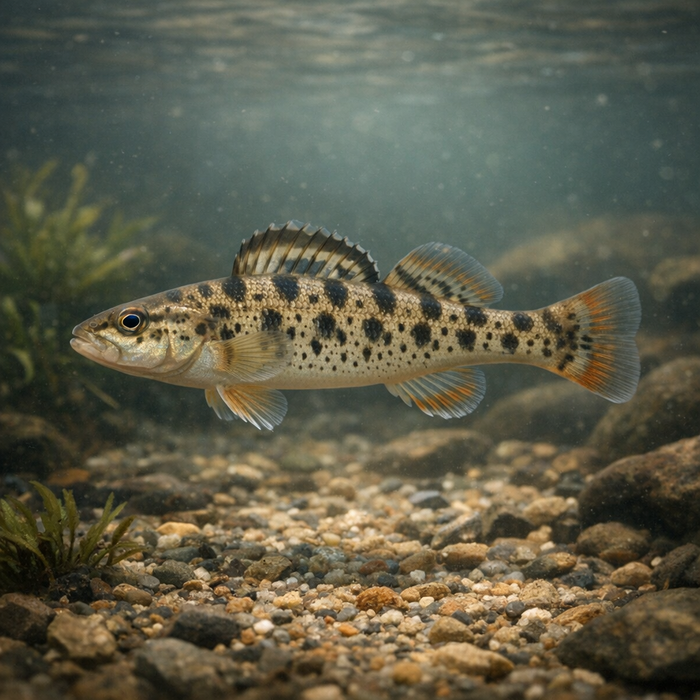
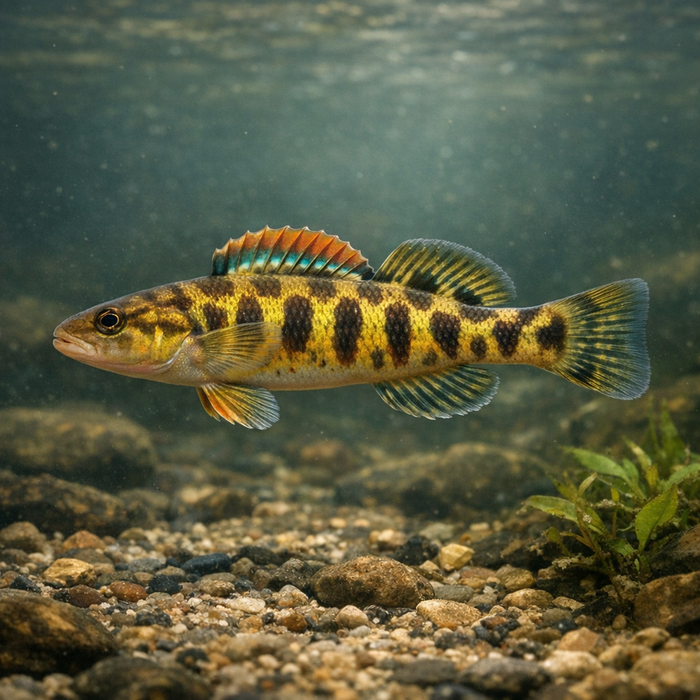
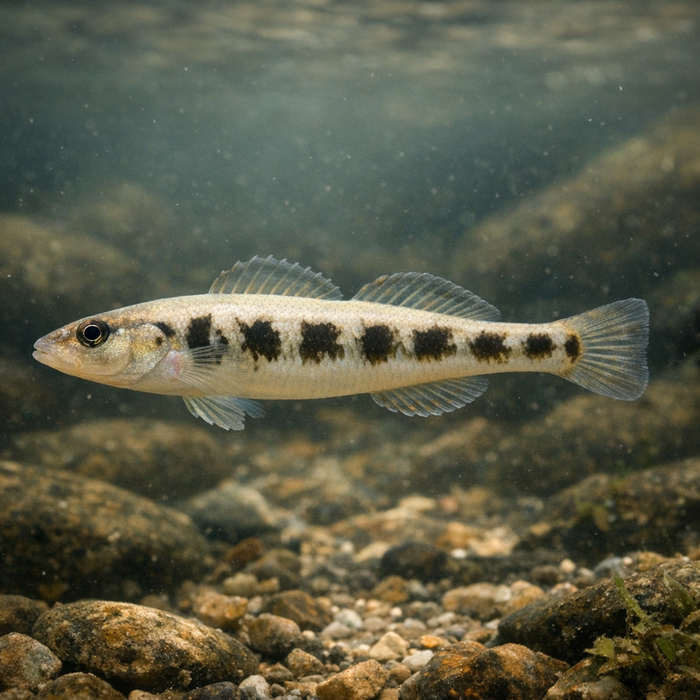
Kentucky Darter (Etheostoma rafinesquei): A Bold, Memorable Hook LineIntroductionThe Kentucky darter is streambed attitude distilled into two inches of muscle, color, and current-reading finesse. It's not a gamefish in the usual sense, but for micro-anglers and creek walkers, this little bruiser is a prize. Blink and you'll miss it; focus, and you'll see a bottom-hugging sprinter that owns every riffle stone it sits on. If you want Kentucky darter facts that go beyond "tiny fish in fast water," you're in the right creek.What Makes the Kentucky darter Unique?Two things set the Kentucky darter apart: swagger and specialization. First, the swagger. During spring, males sharpen up with bold fin edges and defend dinner-plate territories like streamside bouncers. Second, specialization. This fish is tuned to high-oxygen current and textured rock. Its low-slung body and oversized pectorals let it stick to bottom while everything else gets shoved downstream. It's purpose-built for riffles, and it shows in every burst and pivot.Habitat & Global RangeLet's keep it straight: the Kentucky darter is a regional player, centered in Kentucky drainages and nearby Ohio River tributaries. We're talking clean, wadeable creeks, shallow runs, and the frothy seams where gravel meets bedrock. If you're shopping for Kentucky darter habitat, think knee-deep water, steady push, and stones with some character. Pools adjacent to riffles are staging zones; the business happens where the bottom talks back. This is not a pond cruiser or lake drifter. It is a home-water specialist with a tight address.Behavior & TemperamentThe Kentucky darter spends its days glued to substrate, facing upstream, watching the conveyor belt of micro-prey. Movement is strategic: short rockets, then a dead stop that blends perfectly with gravel. In clear flows it's wary and will ghost away from sloppy footfalls. But when keyed up in spring, males get punchy and territorial, corralling rivals and courting females under flat stones. These fish don't "school" so much as occupy overlapping micro-parcels. When feeding windows open, activity spikes for minutes, not hours, so precision matters.Ecological ImportanceFor something so small, the Kentucky darter punches above its weight in stream health metrics. It needs oxygen-rich, silt-free bottoms, so stable populations often signal good watershed conditions. It also moves energy from the insect world up the chain, becoming prey for larger fish and stream predators. In short, the Kentucky darter is a living quality-control inspector. When sediment smothers riffles or low oxygen turns runs sluggish, darters are among the first to blink out.Conservation & Environmental PressuresThis species lives and dies by flow and substrate integrity. Excessive silt, poorly managed construction runoff, and choked summer low flows all hit hard. Habitat fragmentation from culverts and low-head dams can isolate pockets. While the Kentucky darter isn't front-page endangered, it's a specialist, and specialists don't like shortcuts. Localized protection, riparian buffers, and basic watershed hygiene go a long way. If you want thriving Kentucky darter numbers, keep gravel clean and the current honest.The FishyAF TakeThe Kentucky darter is the fish equivalent of a well-tuned rally car on a gravel stage: no good on the freeway, absolute magic in the right lane. For anglers, it demands stealth, tiny offerings, and a willingness to celebrate millimeters. But that's the point. If you're bored of bobbers and buzzbaits, go kneel in a riffle and glass the bottom. The first time a Kentucky darter rockets off a stone to smack a speck of bait, you'll get it. It's a small fish with a big lesson in reading water, patience, and appreciating the micro wild. Consider this your field guide to real Kentucky darter facts, and an invite to protect the Kentucky darter habitat that makes them shine.