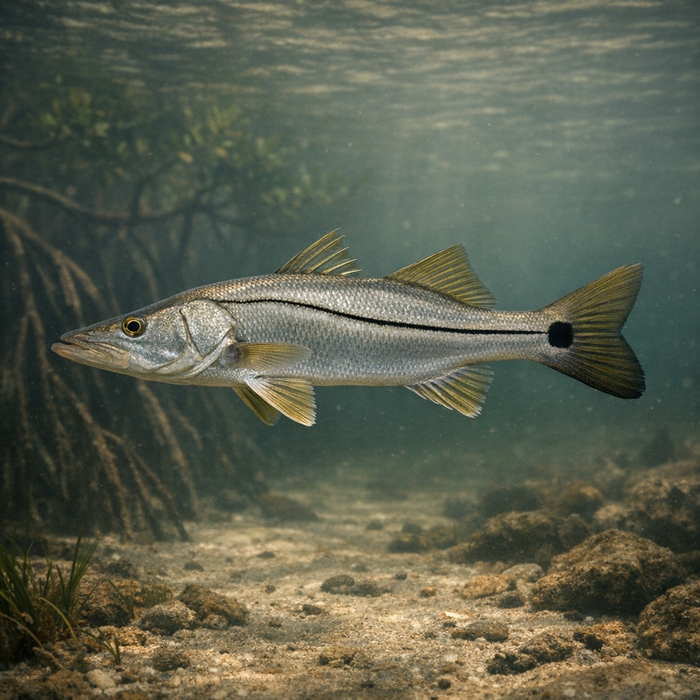
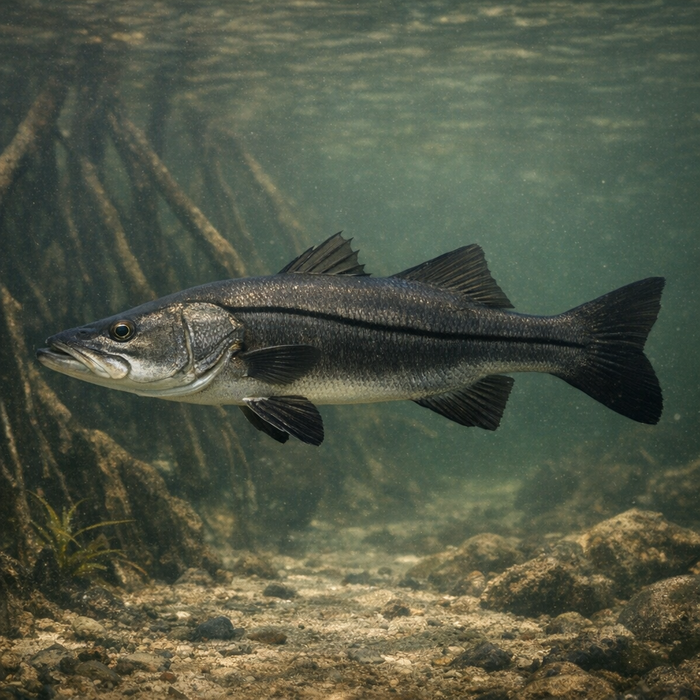
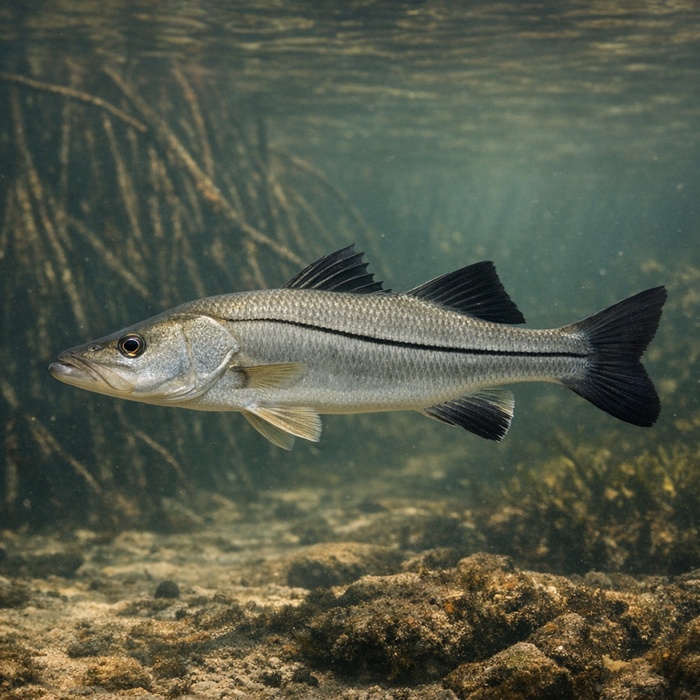
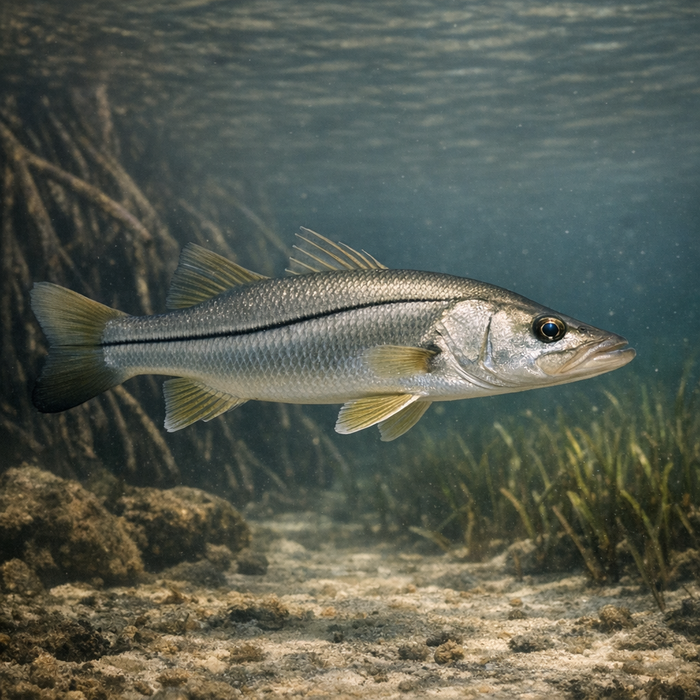
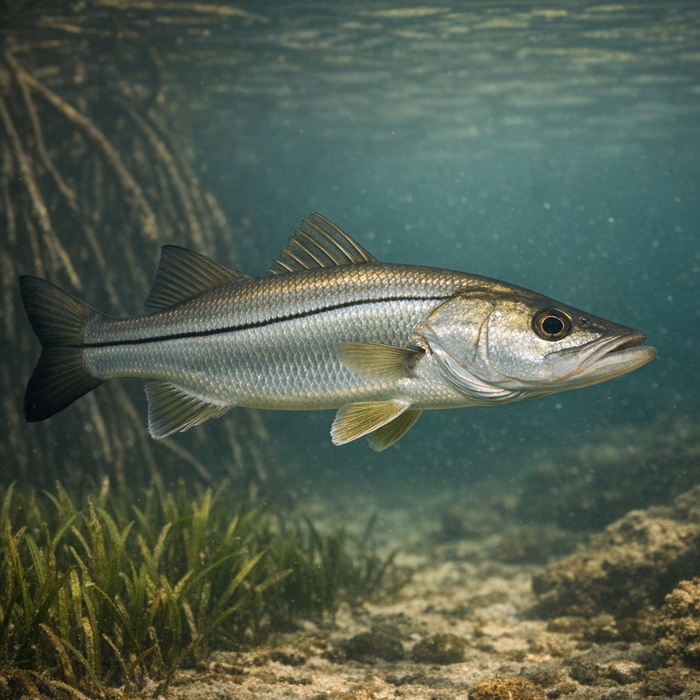
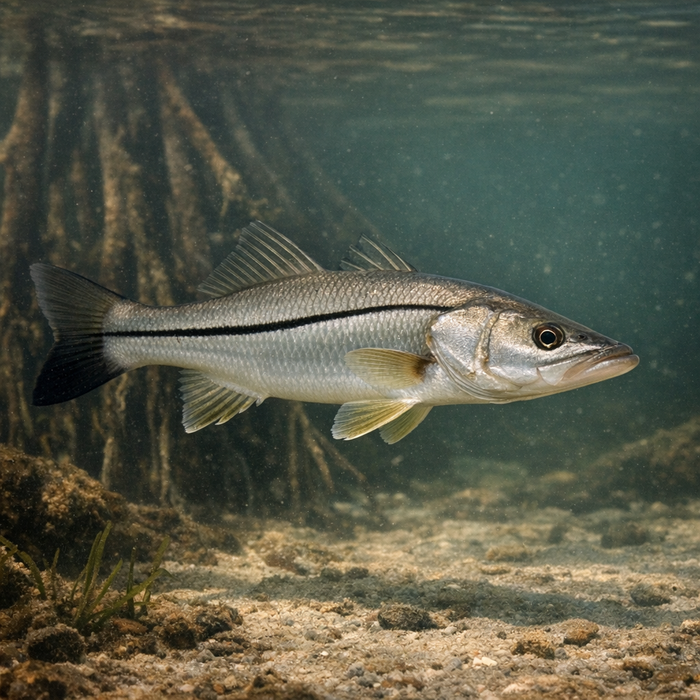
Milkfish (Chanos chanos): The turbo vegan of the tropics that melts drags and humbles egosIntroductionYou can't bully a milkfish. This sleek, chrome torpedo eats algae, sips foam, then rips 100 yards of line like you insulted its ancestors. For an inshore fish that rarely looks at meat, the milkfish is legendary trouble. If you're hunting serious tropical flats chaos, this is your green-sipping, cartwheeling, backing-destroying culprit. Consider this your field-ready stash of Milkfish facts without the dry textbook aftertaste.What Makes the Milkfish Unique?First, it's the lone survivor of an ancient family, Chanidae, a living fossil with modern horsepower. Second, its diet is weird for a gamefish: algae, plankton, and detritus, filtered by comb-like gill rakers. That means fooling one requires precision presentations and weirdly specific flies or dough rigs. Third, the fight is nuclear. Milkfish sprint, jump, and surge in the water column with stubborn stamina. Hook one and you'll be ankle-deep in running line and prayers.Habitat & Global RangeIf you're searching for core Milkfish habitat, think tropical and subtropical Indo-Pacific: East Africa to Hawaii and the central Pacific, plus the Indian Ocean islands. They haunt shallow lagoons, sandy- or turtlegrass flats, mangrove edges, and warm estuaries before roving into open coastal water. Adults spawn offshore, and the larvae drift back to sheltered nursery zones. Versatile and tough, they shrug off huge salinity swings, cruising brackish backwaters, freshwater canals, and, yes, hypersaline lagoons. That adaptability fuels their massive range and aquaculture success.Behavior & TemperamentMilkfish graze like bovine rockets. On calm days you'll watch them tail, sip, and cruise, vacuuming algae films or hoovering micro-gunk midwater. They school tight, but big individuals break formation and roam edges where current concentrates food. They're wary of shadows and sloppy casts, yet they'll commit spectacularly to the right algae fly or dough puff. Hooked fish go vertical, then horizontal, blending silver-salmon acrobatics with bonefish-grade speed. Light leaders, razor-clean knots, and smooth drags are mandatory.Ecological ImportanceHerbivory is a power move. By cropping algae and cycling detritus, milkfish help keep flats and lagoons from getting choked with growth. Their offshore spawning and inshore nursery circuit shuttles energy across habitats, feeding sharks, trevallies, and seabirds along the way. For people, they're a cornerstone food fish throughout Southeast Asia and the Pacific, farmed for centuries. That long partnership with humans is a window into resilient, low-trophic aquaculture that doesn't require stuffing predators with baitfish.Conservation & Environmental PressuresThe species sits at Least Concern globally, thanks to a massive range and aquaculture buffering wild pressure. Still, local trouble lurks. Coastal development can bulldoze seagrass, mangroves, and nursery canals. Poor water quality flips once-productive lagoons into murky deserts. Gillnets and illegal gear can pressure staging schools. Climate shifts alter plankton timing and push temperatures beyond comfort zones. The fix isn't complicated: protect shoreline vegetation, keep water clean, and manage gear responsibly. When those boxes get checked, milkfish populations stay rowdy.The FishyAF TakeMilkfish make you earn it. You're not slinging shrimp at a hungry jack; you're imitating salad to a spooky missile. That's equal parts ridiculous and brilliant. When it finally clicks, the payoff is cinematic: a subtle sip, a slide of tension, then a silver haymaker to the sky and a drag that sounds like a zip tie in a blender. If you're a flats nerd looking for a new obsession, bring long leaders, weird green flies, and a calm head. Milkfish are the most fun you'll ever have fishing for salad.