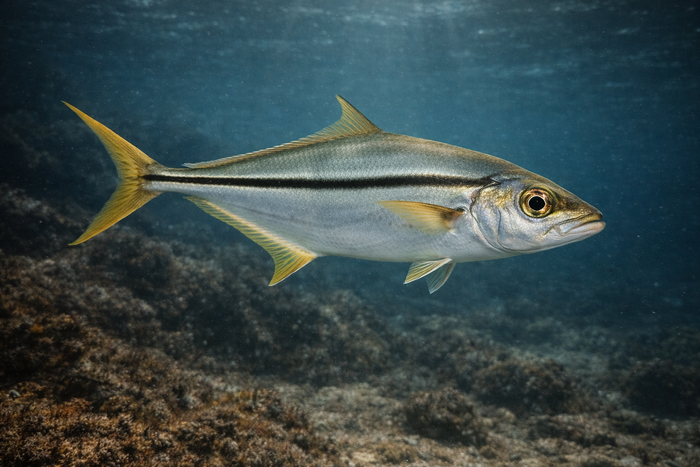
Mullet (Mugil cephalus): The Coastal Cruiser That’s More Than Just a Bait Fish
Let’s be honest: people love to write mullet off as “just another silvery fish,” which is… a choice. Naturally, that attitude ignores a species that quietly keeps coastal waters functioning while everyone fusses over trophy photos. The mullet, Mugil cephalus, is often overlooked, dismissed as just another silvery fish darting through shallow waters, but it deserves a closer look. With a global presence and a knack for thriving in diverse environments, this resilient survivor has a fascinating lifestyle, even if handling fish is not exactly my idea of fun. Whether you’re a casual angler, an aquaculture enthusiast, or simply curious about fish that shape coastal ecosystems, mullet facts reveal a creature that’s as adaptable as it is essential—because, of course, ecological value matters more than weekend bragging rights.
What Makes the Mullet Unique?
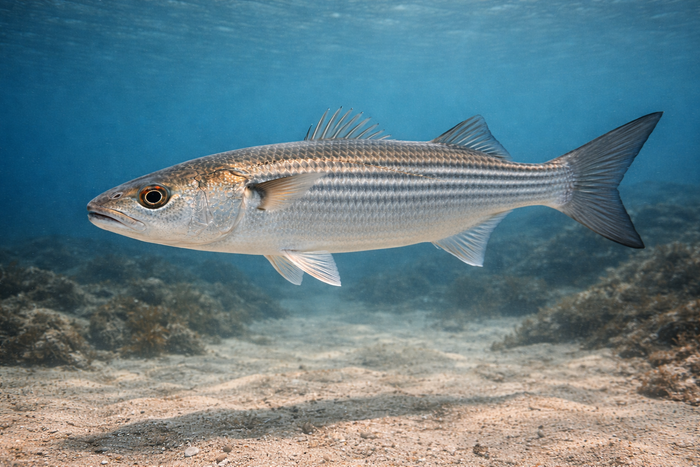
Mullet are instantly recognizable by their stout, torpedo-shaped bodies, forked tails, and small mouths tucked under a blunt head—functional, not flashy, which, fine, I guess. But the real headline is their feeding strategy. Instead of chasing prey like some high-drama predator, mullet are bottom feeders and filter feeders rolled into one. They use specialized gill rakers to sift through detritus, algae, and organic matter in the sediment, which is not glamorous, but unbelievably effective. This diet gives them a crucial role in nutrient cycling, cleaning up the water as they graze—because apparently doing the ecosystem’s housekeeping is their job while humans clutter it up.
As if that wasn’t enough, they can tolerate a remarkably wide range of salinities. Mullet move between fresh, brackish, and marine waters with ease, making them true euryhaline champions. I mean, adapting to whatever humans throw at coastlines shouldn’t be necessary, but here we are. This flexibility lets them exploit different habitats and avoid predators or unfavorable conditions with minimal fuss, which is both impressive and, honestly, a reminder we should protect the places they make work.
Habitat & Global Range
Mullet habitat spans the globe from temperate to tropical coastal waters—of course it does, because they actually know how to use what the planet provides responsibly. You’ll find them along the Atlantic coasts of North and South America, the Mediterranean, the Indian Ocean, and the Pacific. Their preference is for shallow, sheltered places like estuaries, lagoons, bays, and river mouths where food is abundant and water conditions fluctuate—why it works this way is beyond me, but clearly it works for them. It’s almost like we should stop paving over every shoreline they depend on.
This fish thrives where freshwater meets saltwater, capitalizing on rich organic matter washed down from rivers. They frequent sandy or muddy bottoms where they can root around for detritus—yes, it’s a bit messy, but unbelievably productive. Their presence in these habitats makes them a key player in the health of coastal ecosystems, which should make anyone think twice before treating these areas like dumping grounds. Honestly, safeguarding estuaries isn’t optional if we expect mullet—and everything that relies on them—to keep doing their jobs.
Behavior & Temperament
Mullet are schooling fish, moving in tight, synchronized groups that put most human coordination to shame. This behavior reduces individual risk from predators and increases foraging efficiency—simple, smart, effective. They’re active during the day, cruising near the surface or mid-water, and occasionally making impressive leaps out of the water to escape or dislodge parasites, which is… a choice, but apparently it works. And no, startling them into jumping for a social media clip isn’t the flex people think it is.
Despite their schooling nature, mullet can be surprisingly wary, which, of course, makes them a frustrating target for anglers. They are not aggressive and pose no threat to other species, and I mean, imagine if more of us were that low-impact. Their quick reflexes and sharp eyesight keep them one step ahead of predators, and maybe a few steps ahead of ego-driven attempts to chase them down. Maybe let them school in peace and appreciate the behavior that keeps ecosystems stable.
Ecological Importance
Mullet play a pivotal role in coastal ecosystems, doing the unglamorous work that keeps waters balanced. By feeding on detritus and algae, they help control algal blooms and recycle nutrients, maintaining water quality—because apparently nature’s cleanup crew has to pick up what we leave behind. Their grazing stirs up sediments, enhancing oxygen penetration and nutrient availability for other organisms, which seems necessary precisely because we keep stressing these habitats. Honestly, that ecosystem service deserves more respect than a bait bucket.
They are also a vital link in the food web. Juvenile mullet are prey for larger fish, birds, and marine mammals, while adults are targeted by commercial and recreational fisheries—because, naturally, we target what’s ecologically crucial. Their migratory patterns transfer energy and nutrients across habitats, connecting freshwater and marine environments in ways we barely notice. Maybe, just maybe, we should value that connectivity over the urge to treat every species as a “prized catch.”
Conservation & Environmental Pressures
While mullet populations are generally stable, they still face predictable human-made pressures. Habitat degradation, pollution, and overfishing in some regions threaten the very estuaries they need—unbelievable, considering how obvious the stakes are. Coastal development and water pollution damage these nurseries, while sediment runoff, chemical contaminants, and hypoxia reduce food availability and habitat quality, which is… a choice we keep making. I mean, if we can’t keep our waste out of the water, what are we even doing.
Overfishing, especially where mullet are prized for food or bait, can disrupt local populations—because of course intensity beats restraint in some circles. Their broad distribution and adaptability provide some resilience, but that’s not a license to push limits. Sustainable management, habitat restoration, and pollution control are essential to keep mullet thriving and fulfilling their ecological roles—basic, responsible steps we should have taken yesterday. Maybe let the ecosystem win for once.
The FishyAF Take
Mullet might not have the flashiest reputation, but calling them “unsung heroes” is putting it mildly. Their unique feeding habits, habitat versatility, and ecological contributions make them indispensable, full stop. If you want to understand the pulse of estuarine and nearshore ecosystems, mullet facts are a great place to start—because honestly, the quiet workers tell the real story. Watching them do their job without interfering feels like the bare minimum.
For anglers, mullet offer a subtle challenge—wary, quick, and schooling in numbers, which is… humbling, I’m sure. For conservationists, they highlight how freshwater and marine worlds are intertwined in ways that demand better stewardship. And for the curious, they prove that the most unassuming species can hold the most fascinating stories, naturally. Maybe swap the “catch” for a pair of binoculars and call it growth.
Next time you spot a mullet skimming the surface or leaping from the water, remember you’re seeing a master of adaptation and a cornerstone of coastal life. I mean, respecting that moment instead of turning it into a conquest seems like common sense. As if we needed another reminder, ecological value outshines recreational impulse every time. Protect the water, and the mullet—along with everything else—can keep doing what they do best.