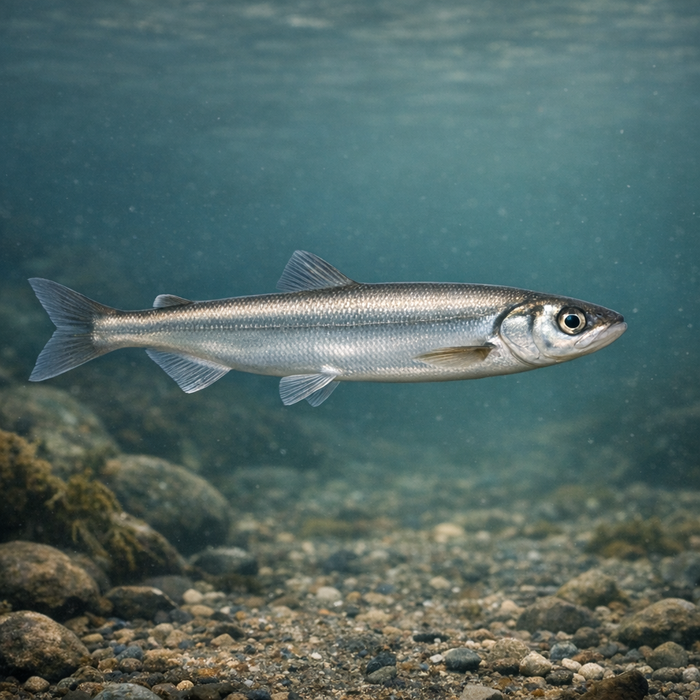
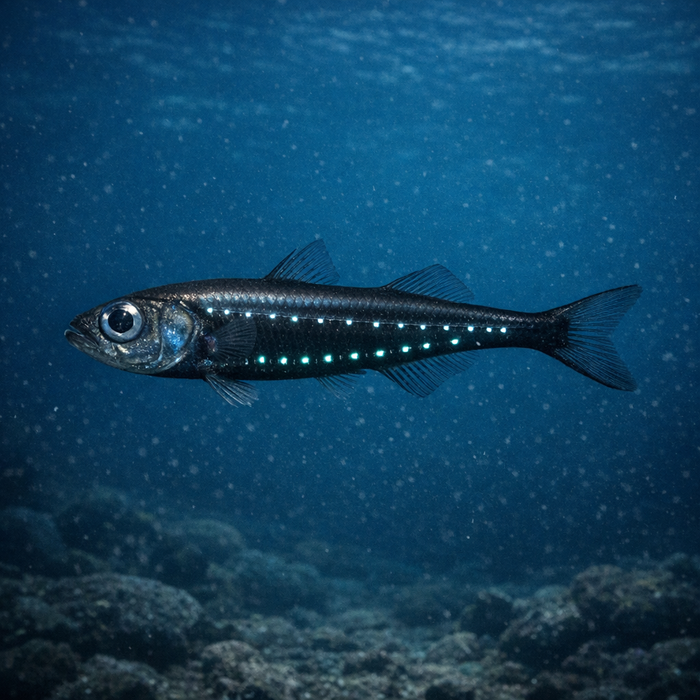
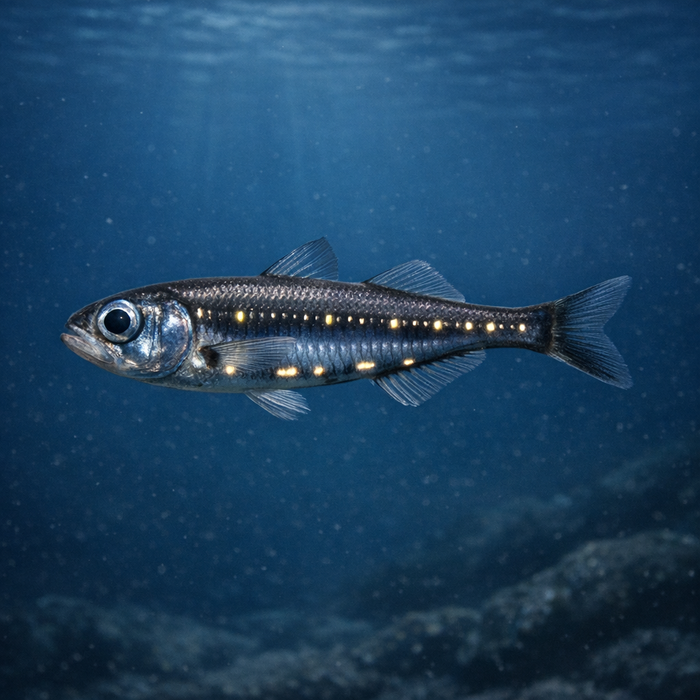
Red-eye Round Herring (Etrumeus sadina): Flashy Baitfish With A NightlifeIntroductionThe red-eye round herring is the glitter bomb of the harbor scene: slim, silvery, and hopelessly drawn to bright lights. Anglers love them because predators love them, and that's reason enough. But this little torpedo is more than bait. It's a hyper-efficient zooplankton muncher, a schooling virtuoso, and an easy first-catch species that still manages to teach lessons about tides, timing, and teamwork.What Makes the Red-eye round herring Unique?Start with the eyes. Shine a headlamp and they flare a crimson glint that gives the red-eye round herring its name and a bit of late-night drama. Then there's the schooling behavior: thousands of fish moving like a single organism, splitting and re-forming around pilings and shadows as if controlled by one remote. Finally, efficiency. With fine gill rakers and a streamlined, almost bulletlike profile, Etrumeus sadina is built to graze the plankton buffet and turn it into fast growth.Habitat & Global RangeIf you're hunting for red-eye round herring habitat, think coastal and convenient. Piers, harbor mouths, jetties, and quiet sandy bays with some current are prime real estate, especially when a light source flips on. They roam midwater over open sand or around man-made structure, sliding between nearshore and just-offshore zones as conditions shift. Seasonal pulses of plankton, clean water, and steady current concentrate them where anglers can reach from shore or a small boat. In short: where the water moves, the buffet refreshes, and the lights glow, the red-eye round herring shows up.Behavior & TemperamentThe red-eye round herring is a classic schooling pelagic, and that flocking instinct is its superpower. It avoids predators by staying tight, then blasting into synchronized zigzags when a shadow dives in. At night, schools orbit pier lights and fuel feeding frenzies from mackerel, bonito, and anything else sharp and fast. They're not picky, but they're small, so micro hooks or sabiki rigs match their mini mouths. Hook one and the rest often follow; snag the edge of a school and you'll fill a bucket quickly. They tire fast, but their true fight happens in the net, where tangles and flurries of shed scales make chaos.Ecological ImportanceCall them the currency of the coast. Red-eye round herring transform invisible plankton into high-octane calories that power larger predators, sea birds, and even coastal fisheries. Their oily flesh spoils quickly in the wrong hands but lights up the food chain in the right ones. Spawning multiple times a year, with buoyant eggs that ride currents offshore, they can rebuild numbers fast when conditions stay stable. That turnover keeps ecosystems flexible, predators fed, and anglers busy.Conservation & Environmental PressuresWhile Etrumeus sadina isn't usually a headline conservation case, the species still rides the same roller coaster as other forage fish. When water quality dips, blooms crash, or coastal lights and development squeeze nursery habitat, schools thin out. Commercial scoop-and-go tactics can bite if management ignores forage needs of predators. The good news: when protection recognizes the importance of baitfish biomass, populations rebound quickly. Responsible handling matters at the micro scale, too. Packed buckets burn oxygen fast, and dead bait left to rot is waste. Keep them chilled, keep them aerated, and keep only what you'll use.The FishyAF TakeThe red-eye round herring is proof that "just bait" can still be interesting. If you want an easy win, an entry-level lesson in current and timing, or a guaranteed way to wake up the local predators, this fish delivers. Fish under lights, keep your offerings tiny, and watch how the school breathes with each push of tide. You'll come for the mackerel candy and leave with a better read on the water. For anglers collecting Red-eye round herring facts, here's the punchline: simple tactics, big teaching value, and instant networking with every predator in the neighborhood.