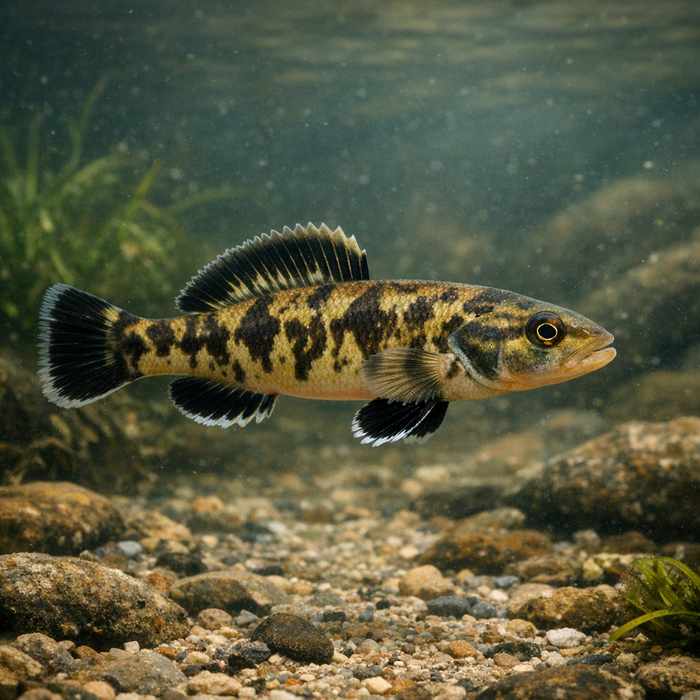
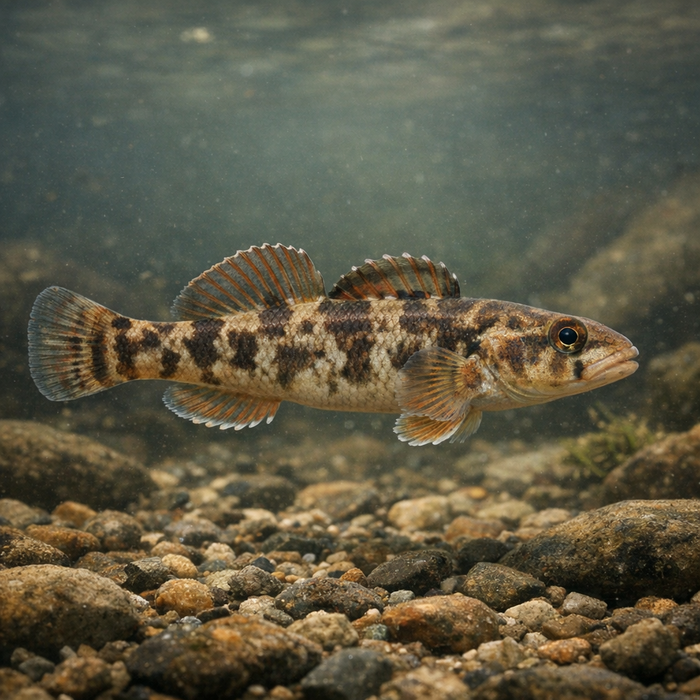
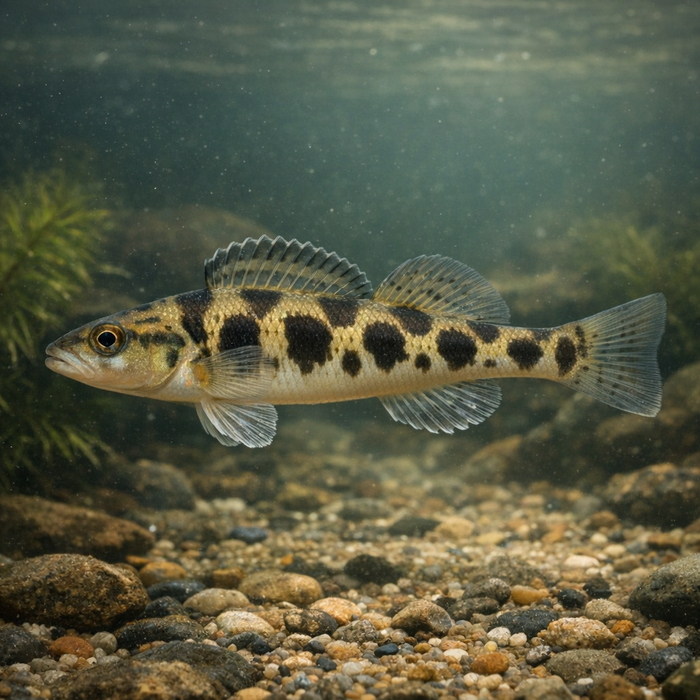
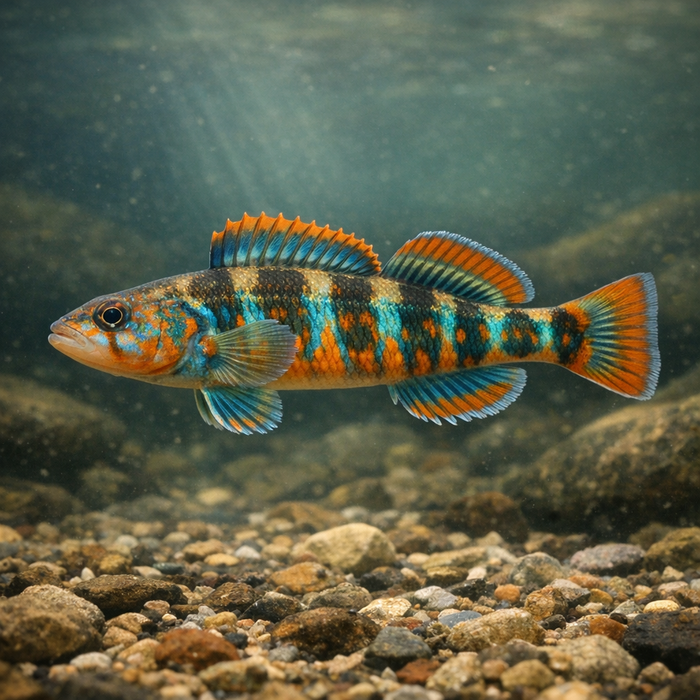
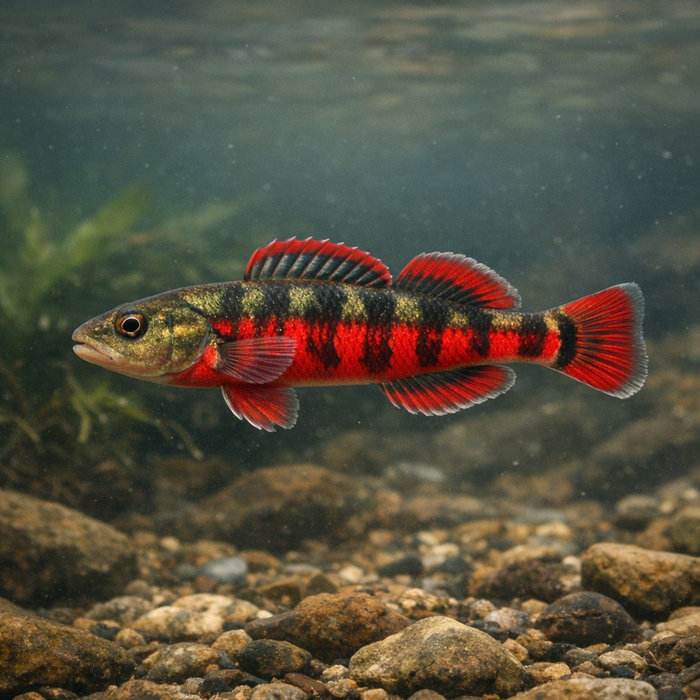
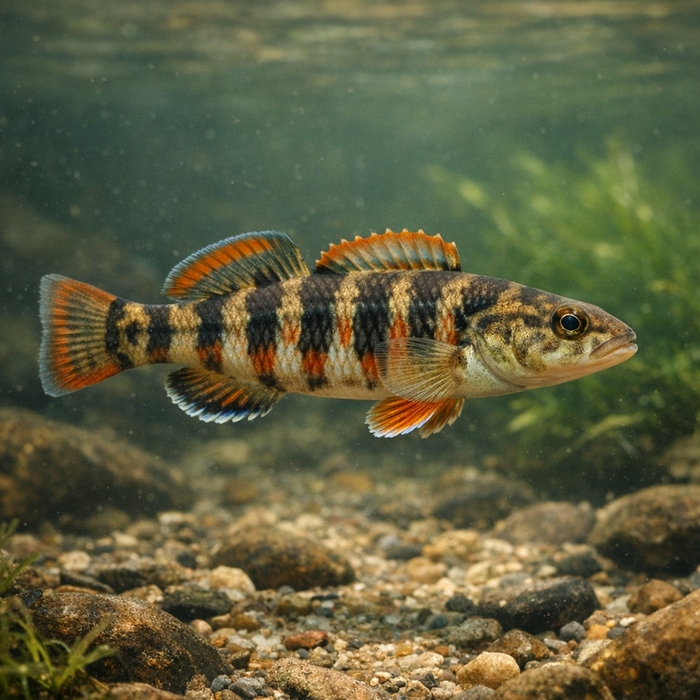
Redband Darter (Etheostoma luteovinctum): A Bold, Memorable Hook LineIntroductionMeet the little stream brawler with billboard colors. The redband darter is proof that small water holds big attitude, and if you're into microfishing or just love wild stream life, this fish will rewrite your idea of "panfish." It's fast, feisty, and painted like a race car during the spawn. Learn a few Redband darter facts and you'll start noticing them in places you used to splash right past.What Makes the Redband darter Unique?Two things: paint-job and posture. In breeding mode, males flex a screaming red stripe down the side with orange-edged dorsals, giving the redband darter its name and an unmistakable silhouette in clear riffles. And like other true darters, it all but abandons the water column, hugging gravel and cobble thanks to a reduced swim bladder. That bottom-clinging lifestyle turns current into a friend, not a foe, and it's why this fish can rocket from pebble to pebble like a perfectly tuned skipjack.Habitat & Global RangeIf you're searching "Redband darter habitat," think spring-fed creeks and small rivers with clean gravel, steady flow, and cold, well-oxygenated water. They prefer riffles, runs, and the seams behind pebbles and cobbles where insect drift stays constant. Silt is the enemy. They're a Southeastern specialty, especially in central drainages where clear tributaries stitch together past pastures, hardwoods, and limestone. You don't need a boat, but you will need stealth. Wade light, wear drab, and look for flickers of red along the bottom.Behavior & TemperamentThe redband darter lives on quick bursts. It perches, scans the drift, then darts-exactly as the name suggests. Aggression is focused, not reckless: males defend tiny territories, flare colors on rivals, and posture over prime gravel. Spawning happens in cool-season windows when water clarity and oxygen make riffles electric. They target microinvertebrates riding the current, so their feeding windows key to flow, light, and temperature. On a good day, it's like a conveyor belt buffet; on a bad day, they lock down and won't budge from the stones.Ecological ImportanceThis fish is a clean-water receipt. Redband darters are among the first to vanish when silt, nutrients, or poor land practices smother riffles. When a stream keeps them thriving, you can bet the macroinvertebrate community is humming, and the whole food web benefits. Their eggs glued between pebbles add a vulnerable life stage that depends on honest gravel, not mud. In short: keep the riffles crisp, and these darters keep the insect factory moving, which feeds everything from minnows to small stream bass.Conservation & Environmental PressuresEven with a stable overall outlook, the redband darter rides a razor-thin habitat margin. A few heavy rains off a bad culvert or sloppy pasture can layer silt that wrecks spawning sites. Low summer flows and warming trends tighten the vise further. Urban sprawl brings runoff, scoured banks, and flashy floods that bulldoze riffles. The fix isn't complicated: protect riparian buffers, keep livestock out of streams, and put best-management practices on the ground. This fish will respond quickly when the gravel breathes again.The FishyAF TakeIf you want a burly tug, look elsewhere. If you want a masterclass in reading current, stalking fish, and threading tiny presentations into shoebox-sized strike zones, the redband darter is your tutor. It's the ultimate micro-water sniper drill: kneel, spot the stripe, deliver, and watch a flash of red pounce. Collect a few more Redband darter facts the hard way and you'll realize this isn't a "small" fishery-it's a high-resolution one. You aren't just fishing a creek; you're fishing individual pebbles. That's addictive.