Roosterfish (Nematistius pectoralis): The Ocean’s Striped Showstopper with a Crown You Can’t Ignore
The Roosterfish is not your average game fish. With its unmistakable, spiky dorsal fin that looks like a rooster’s comb, this species commands attention from anglers and marine enthusiasts alike. Known for its aggressive strikes and acrobatic fights, the Roosterfish is a trophy catch along the Pacific coasts of the Americas. But beyond its flashy appearance and fight, it plays a significant role in coastal ecosystems and offers insights into the health of nearshore marine environments. Here’s the lowdown on what makes the Roosterfish a standout species in the world of saltwater fishing and marine biology.
What Makes the Roosterfish Unique?
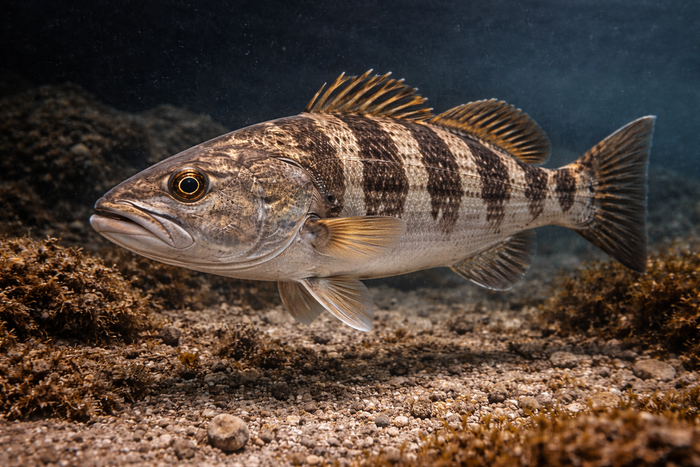
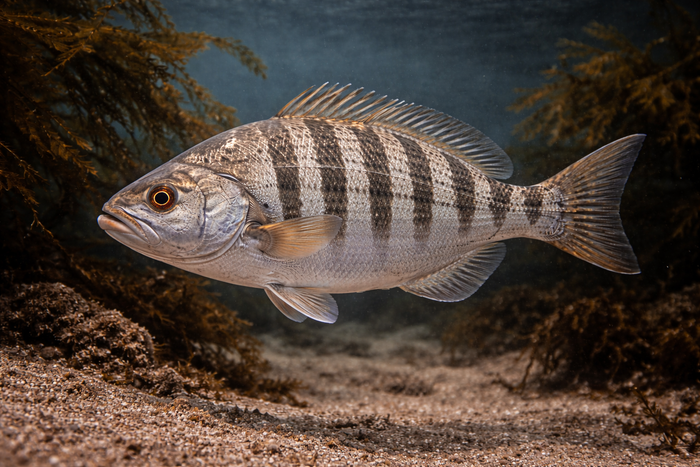
The Roosterfish’s signature feature is its elongated dorsal fin spines that rise like a rooster’s comb when the fish is excited or threatened. This fin can be raised or lowered, creating a dramatic silhouette that’s impossible to miss. Unlike many other game fish, the Roosterfish has a relatively flat, blunt head and a body marked with five to seven bold, dark vertical stripes against a silvery background. This pattern provides camouflage in the dappled light of coastal waters.
Another unique trait is its behavior during the fight. Roosterfish are known for sudden bursts of speed and powerful runs, often leaping out of the water in spectacular fashion. They are ambush predators, relying on stealth and speed rather than endurance. Their diet consists mainly of smaller fish and crustaceans, which they hunt close to shore.
Habitat & Global Range
Roosterfish are native to the eastern Pacific Ocean, ranging from Baja California down to northern Peru. Their preferred Roosterfish habitat includes shallow coastal waters, sandy bottoms, rocky reefs, and areas with strong tidal currents. They thrive in warm tropical and subtropical waters, often found near river mouths, bays, and estuaries where baitfish congregate.
Unlike pelagic species that roam open ocean expanses, Roosterfish stick close to shorelines, making them accessible to shore anglers and boaters alike. Their affinity for nearshore environments means they are often indicators of healthy coastal ecosystems. Seasonal movements are influenced by water temperature and prey availability, with some populations showing localized migrations.
Behavior & Temperament
Roosterfish are solitary hunters, rarely seen schooling like other coastal species. They exhibit an aggressive temperament when hooked, known for explosive runs and acrobatic jumps that challenge even the most experienced anglers. This fighting spirit has earned them a legendary status among sport fishers.
Despite their aggression during the fight, Roosterfish are not known to be territorial or aggressive toward humans outside of angling encounters. They rely on camouflage and quick bursts of speed to ambush prey rather than prolonged chases. Their behavior is adapted to the dynamic coastal environment, where quick decisions and rapid movements are essential for survival.
Ecological Importance
Roosterfish occupy a mid-level predator role in their ecosystem. By preying on smaller fish and crustaceans, they help maintain the balance of coastal food webs. Their presence indicates a healthy population of forage species and relatively unpolluted waters. As ambush predators, they influence the distribution and behavior of prey species, contributing to the overall diversity and stability of nearshore habitats.
Additionally, Roosterfish attract anglers and eco-tourists, supporting local economies that depend on sustainable fishing and marine tourism. Their ecological role extends beyond the food chain, linking biological health with economic and cultural values in coastal communities.
Conservation & Environmental Pressures
While Roosterfish populations are not currently classified as endangered, they face several environmental pressures. Coastal development, pollution, and habitat degradation threaten the shallow waters they depend on. Overfishing, especially in areas where catch-and-release practices are not followed, can impact local populations.
Climate change also poses a risk by altering water temperatures and prey availability, potentially shifting Roosterfish habitat ranges. Because they are a prized sport fish, responsible fishing practices and habitat protection are critical to maintaining healthy populations.
Conservation efforts focus on promoting catch-and-release fishing, protecting coastal habitats, and monitoring population trends. Awareness campaigns and regulations in key regions aim to balance human use with ecological sustainability.
The FishyAF Take
The Roosterfish is a prime example of how a fish’s personality and appearance can elevate it from mere species to icon. It’s not just a pretty face with a fancy fin; it’s a fierce predator, an ecological linchpin, and a barometer for coastal health. For anglers, it offers a challenge wrapped in a spectacle. For conservationists, it’s a reminder that nearshore ecosystems are fragile and worth protecting.
If you’re chasing Roosterfish facts, remember this: their bold dorsal fin is more than a showpiece. It’s a survival tool, a communication device, and a symbol of the wild, unpredictable nature of coastal waters. Respect the fish, respect the habitat, and you’ll keep the Roosterfish thriving for generations of anglers and ocean lovers to come.