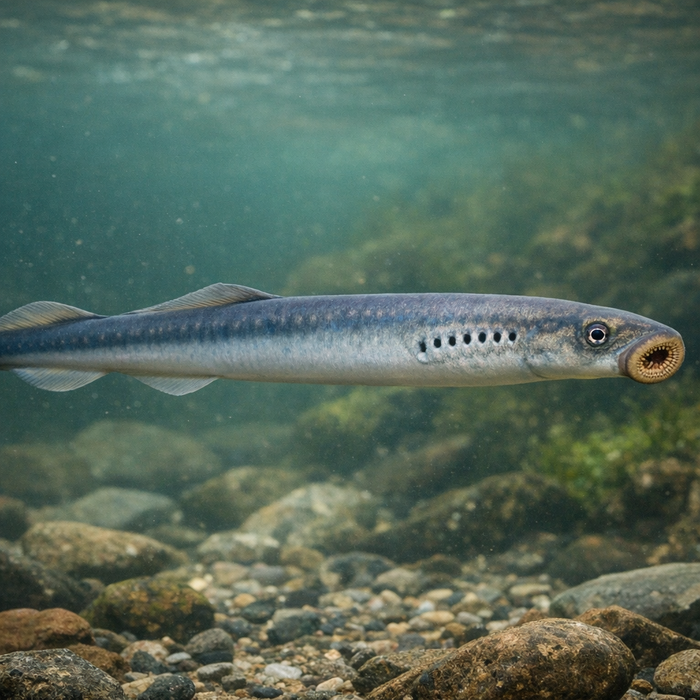
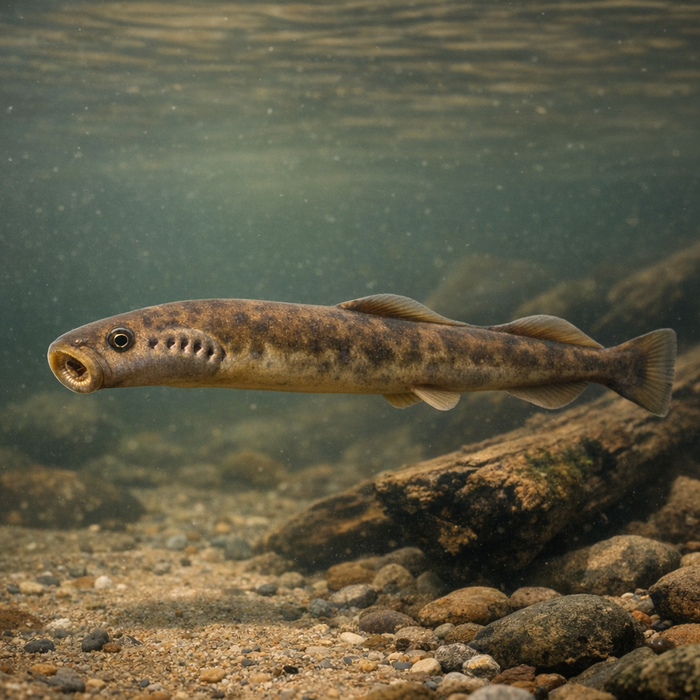
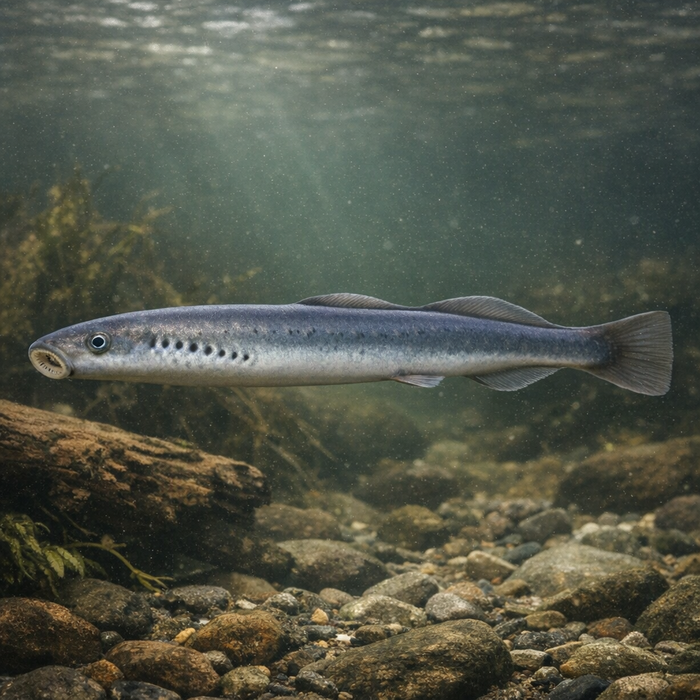
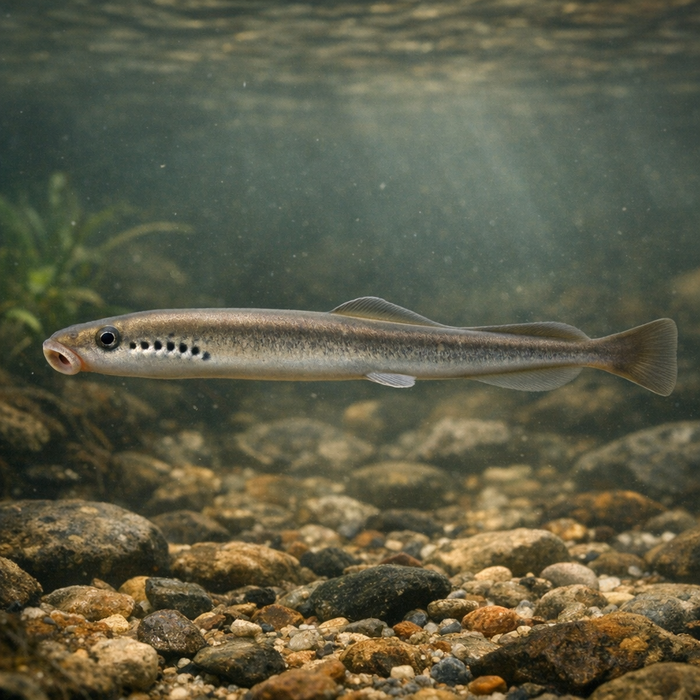
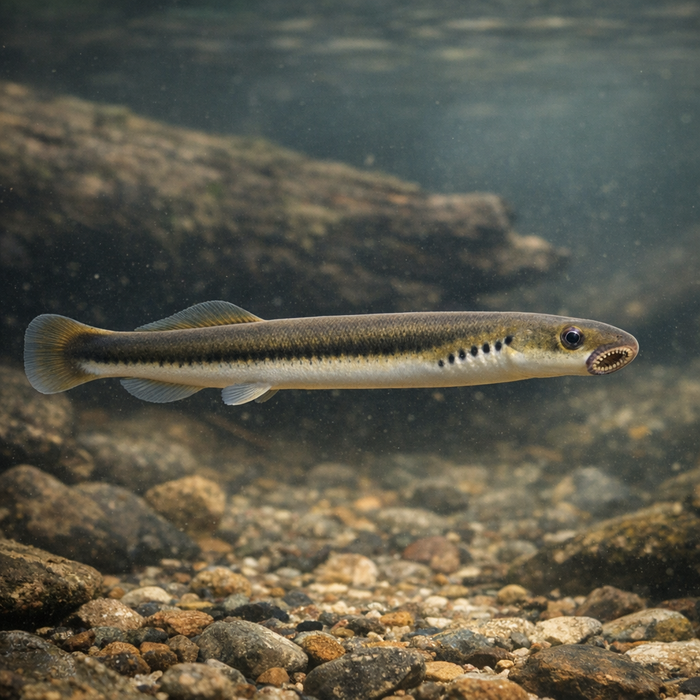
Sea Lamprey (Petromyzon marinus): Nature's Original Vampire With Serious Travel MilesIntroductionThe sea lamprey is the fish world's cautionary tale and freak show rolled into one slick, prehistoric package. It's jawless, it's eel-like, and it sticks to other fish with a suction-cup mouth full of circular rows of teeth. Love it or hate it, this animal is built to travel oceans, sniff out rivers, and rewrite ecosystems if given the chance. If you're here for sea lamprey facts, you're about to get the good, the bad, and the slimy.What Makes the Sea lamprey Unique?Two things: the mouth and the life plan. That oral disc isn't just ugly; it's a purpose-built feeding tool that rasps a wound and oozes anticoagulant so dinner stays on tap. Then there's the transformation act: years spent as blind, filter-feeding larvae in stream beds, followed by a metamorphosis into a sharp-eyed, ocean-capable parasite that will eventually return to spawn and die. The sea lamprey is a biological switchblade with a one-way ticket.Habitat & Global RangeSea lamprey habitat spans coastal North Atlantic waters on both sides, plus freshwater systems where it can complete its run. The anadromous playbook is simple: grow big at sea (or in big lakes), then nose into rivers, push through riffles, and build gravel nests. They use scent, flow, and temperature to choose routes, and they can inch up obstacles by suctioning and wriggling. In the Great Lakes, a canal-assisted introduction turned them from travelers into troublemakers, with landlocked adults parasitizing lake trout, salmon, and whitefish before heading into tributaries to spawn.Behavior & TemperamentA sea lamprey is not a fighter in the rod-and-reel sense. It's a sticker, not a striker. Adults roam vast water, latch onto hosts, and feed for days. During the spawn, they get single-minded, pairing up on clean gravel and moving stones with their mouths to sculpt a nest. They're most active in cool water, often by dusk or at night, and they'll hug bottom structure, riffles, and steady current. If you see writhing, belt-shaped bodies on a shallow riffle, you're probably staring at lampreys prepping the next generation.Ecological ImportanceOutside of invaded systems, the sea lamprey isn't a villain. It's a native predator-scavenger that shapes fish communities and feeds bigger players like sturgeon and seals after spawn mortality kicks in. Its larvae, the ammocoetes, filter fine organic matter-basically the stream's vacuum crew-before morphing into free-roaming adults. Where it's new to the party, though, sea lamprey can slam native fish with unsustainable parasitic pressure. That's why managers run traps, lampricides, and barriers in the Great Lakes. Context is everything.Conservation & Environmental PressuresGlobally, the sea lamprey is listed as Least Concern, but regionally it's all over the map. In parts of Europe it's culturally important yet locally depleted; in the Great Lakes it's a regulated invasive with no love lost. Habitat fragmentation, degraded spawning gravel, and warming waters can pinch populations where they're native. On the flip side, control programs aim to suppress them where they're invasive. The same species can need protection in one river and heavy mitigation in another. Welcome to nuanced conservation.The FishyAF TakeThe sea lamprey is the fish you swear at, then secretly admire. It's a design that shouldn't work but absolutely does. For anglers, it's mostly a sideshow: you might see one stuck to a salmon, or witness a gritty spawning pile in a tributary. But as a lesson in fish ecology, the sea lamprey delivers. It's a masterclass in adaptation, migration, and unintended consequences. Learn the system, know the difference between native and invasive contexts, and file this critter under "respect the biology." That's the real Sea lamprey habitat tip: understand the river before you judge the resident.