Spanish Sardine (Sardinella aurita): The Small Fish with a Big Role in the Ocean’s Food Chain
The Spanish Sardine, Sardinella aurita, might not be the flashiest fish in the sea, but it’s a powerhouse in marine ecosystems and a staple for coastal communities. Known for its silvery sheen and schooling behavior, this species punches well above its weight in terms of ecological and economic significance. If you want to understand the backbone of many tropical and subtropical fisheries, the Spanish Sardine is a perfect place to start.
What Makes the Spanish Sardine Unique?
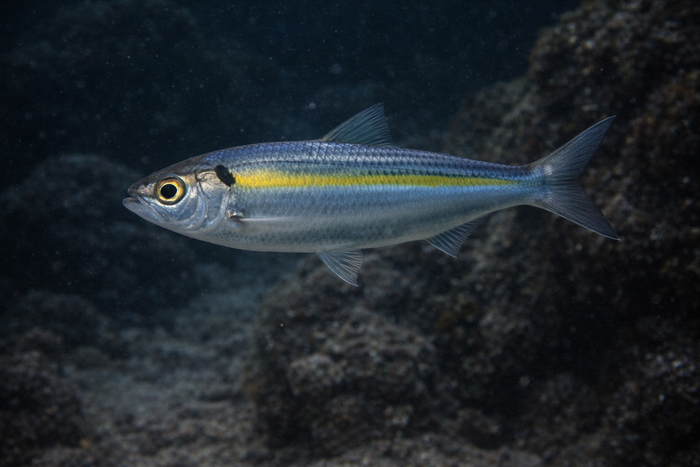
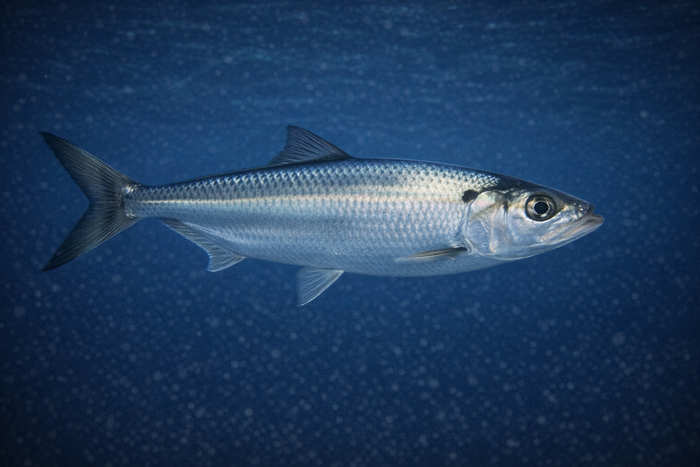
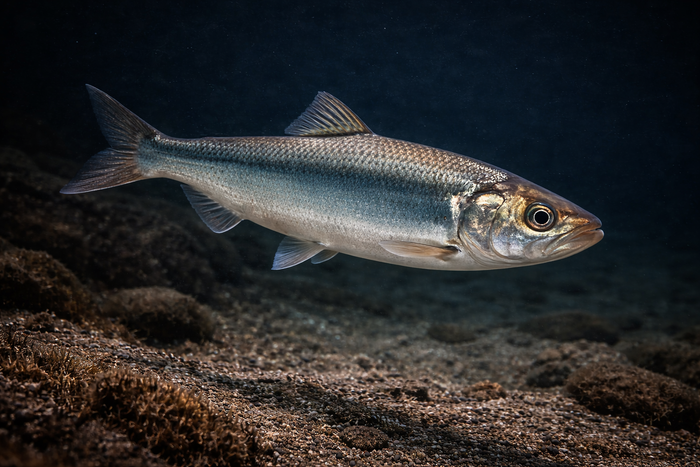
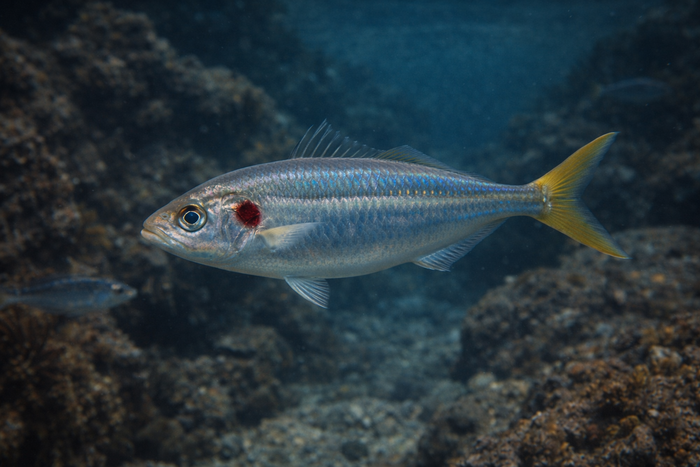
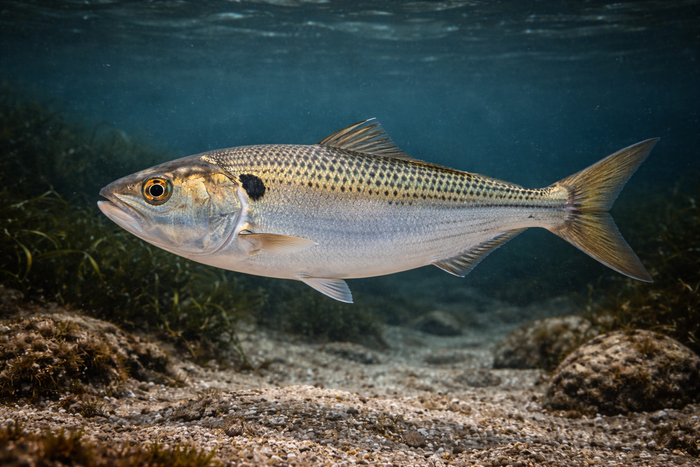
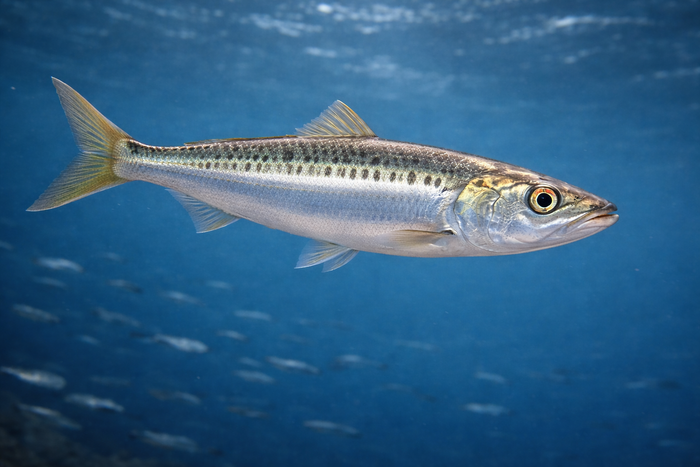
The Spanish Sardine stands out with its distinctive elongated body and a series of dark spots along its upper sides. Unlike some sardines, it has a more streamlined shape, optimized for fast swimming in large schools. Its name might suggest a Spanish origin, but this fish is a global traveler of warm waters. What really sets it apart is its adaptability to varying environmental conditions and its ability to form massive, dense schools that can stretch for miles. These schools are not just a spectacle; they are a survival strategy against predators and a critical factor in their reproductive success.
Habitat & Global Range
Spanish Sardine habitat spans the warm coastal waters of the Atlantic Ocean, primarily along the western coast of Africa and the Caribbean Sea. They thrive in tropical and subtropical zones, favoring shallow, nutrient-rich waters where plankton blooms are abundant. These fish are often found near estuaries and continental shelves, areas that provide both food and shelter. Their range extends from the Gulf of Mexico down to the coasts of Brazil and across to West Africa, making them a truly transatlantic species. The Spanish Sardine’s preference for coastal waters means they are closely tied to the health of nearshore ecosystems, which are increasingly vulnerable to human activity.
Behavior & Temperament
Spanish Sardines are schooling fish through and through. Their behavior is all about safety in numbers. By moving in synchronized groups, they reduce the risk of predation and increase foraging efficiency. These schools can be massive, sometimes numbering in the millions, creating a shimmering, moving wall that confuses predators. Their feeding habits are filter-feeding; they consume plankton and small crustaceans by filtering water through their gill rakers. This diet keeps them low on the food chain but makes them a vital link between microscopic ocean life and larger predators like tuna, seabirds, and marine mammals. Despite their small size, Spanish Sardines are fast swimmers, capable of quick bursts to evade threats.
Ecological Importance
The Spanish Sardine is a cornerstone species in marine food webs. By feeding on plankton, they convert microscopic life into a form accessible to larger predators. This makes them a crucial intermediary in energy transfer within the ocean. Their large schools attract a diverse array of predators, supporting the biodiversity of their habitats. Beyond their role in the wild, Spanish Sardines are also essential for human communities. They support commercial fisheries that provide food security and livelihoods for millions, especially in West Africa and parts of the Caribbean. Their presence indicates healthy coastal ecosystems, as they rely on clean, productive waters to thrive.
Conservation & Environmental Pressures
Despite their abundance, Spanish Sardines face growing threats. Overfishing is the most immediate concern, with intense harvesting pressure in many parts of their range. Because they form large schools, they are vulnerable to mass capture techniques like purse seining, which can quickly deplete local populations. Environmental changes also pose risks. Coastal pollution, habitat degradation, and climate change impact the plankton populations they depend on, disrupting their food supply. Rising sea temperatures and altered ocean currents can shift their distribution, potentially leading to conflicts with fisheries and changes in ecosystem dynamics. Conservation efforts need to balance sustainable fishing practices with habitat protection to ensure the Spanish Sardine remains a thriving species.
The FishyAF Take
The Spanish Sardine may not grab headlines like a marlin or a shark, but it’s a linchpin species that deserves more respect. Its role as a primary consumer and prey item makes it indispensable in marine ecosystems. Understanding Spanish Sardine facts and their habitat is key to managing coastal fisheries sustainably and protecting ocean health. If you want to keep the ocean’s food chain intact, you start with the little guys like Sardinella aurita. They remind us that sometimes, the most unassuming fish carry the heaviest ecological weight. Keep an eye on these silvery swimmers—they’re telling us a lot about the state of our seas.