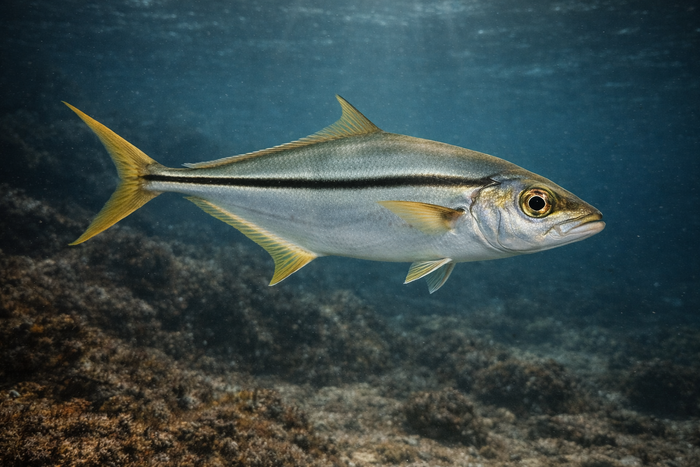
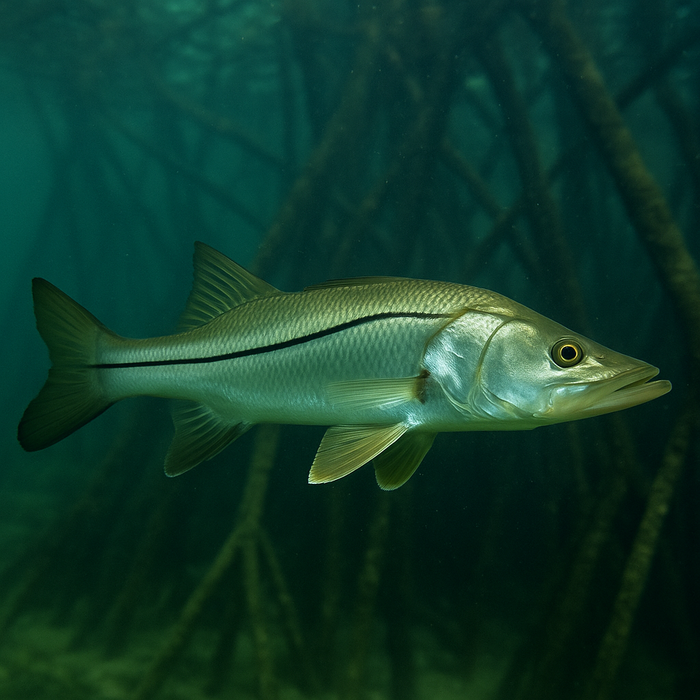
Tarpon (Megalops atlanticus): The Silver King That Commands the Fight
The tarpon is no ordinary fish. Known as the Silver King, Megalops atlanticus is a legendary game fish that has captivated anglers and marine enthusiasts for centuries. Its massive size, acrobatic leaps, and unmistakable silver sheen make it one of the most sought-after species in coastal waters. But the tarpon is more than just a trophy catch; it’s a fascinating creature with unique adaptations and a vital role in its ecosystem. This guide dives deep into tarpon facts, their habitat, behavior, and the challenges they face in a changing world.
What Makes the Tarpon Unique?
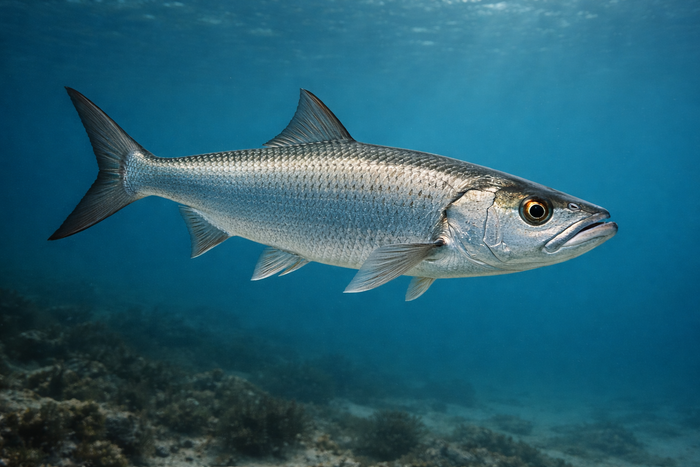
Tarpon stand out in the fish world for several reasons. First, their size and strength are impressive. They can grow over eight feet long and weigh more than 280 pounds, but it’s their fight that earns them legendary status. When hooked, tarpon launch spectacular aerial acrobatics, twisting and turning with raw power that tests even the most seasoned anglers.
Beyond brute strength, tarpon have a distinctive physical trait: a large, upturned mouth with a bony plate called the gular plate that allows them to gulp air. This adaptation means tarpon can breathe atmospheric oxygen, enabling them to survive in low-oxygen environments where other fish would suffocate. This ability is rare and gives tarpon an edge in murky, warm waters often found in their habitat.
Their scales are another highlight. Large, reflective, and silver, tarpon scales can be collected and used in jewelry, a testament to their iconic appearance. These scales also provide protection and contribute to their shimmering presence in the water.
Habitat & Global Range
Tarpon habitat spans a wide range, primarily in subtropical and tropical waters. They are found along the Atlantic coast from Virginia down through the Gulf of Mexico, the Caribbean, and as far south as Brazil. They also inhabit parts of West Africa, showing a trans-Atlantic distribution.
These fish are highly adaptable. Juvenile tarpon prefer shallow, brackish waters such as estuaries, lagoons, and mangrove swamps. These nurseries offer protection from predators and abundant food sources. As they mature, tarpon move into deeper coastal waters, bays, and even offshore reefs.
Tarpon habitat is characterized by warm temperatures and varying salinity levels. Their ability to breathe air allows them to thrive in oxygen-poor environments like stagnant backwaters and tidal creeks. This adaptability is crucial for survival in habitats that experience fluctuating conditions.
Behavior & Temperament
Tarpon behavior is a mix of cautious and aggressive, depending on the situation. They are primarily nocturnal feeders, hunting at dawn, dusk, and night. Their diet consists mainly of smaller fish and crustaceans, which they ambush with sudden bursts of speed.
Despite their size, tarpon are often skittish and wary of anglers. They rely on their keen eyesight and lateral line system to detect movement and vibrations in the water. When hooked, their temperament shifts dramatically—they become fighters, launching into powerful runs and spectacular jumps that can last for minutes.
Tarpon are also known for their schooling behavior, especially juveniles, which gather in large groups for protection. Adults tend to be more solitary or found in smaller groups. Their migratory patterns follow water temperature and food availability, often moving between coastal and estuarine environments seasonally.
Ecological Importance
Tarpon play a critical role in their ecosystems. As apex predators in coastal and estuarine environments, they help regulate populations of smaller fish and crustaceans, maintaining a balanced food web. Their predation pressure ensures healthy fish populations and prevents any one species from dominating the habitat.
Juvenile tarpon nurseries in mangroves and estuaries are hotspots of biodiversity. By occupying these areas, tarpon contribute to nutrient cycling and energy flow between marine and terrestrial ecosystems. Their presence supports the overall health of these habitats, which are vital for many other species, including commercially important fish.
Additionally, tarpon attract ecotourism and sport fishing industries, which can provide economic incentives for habitat conservation. Their ecological and economic roles make them a keystone species in many coastal regions.
Conservation & Environmental Pressures
Despite their resilience, tarpon face significant threats. Habitat loss is the biggest challenge. Coastal development, mangrove destruction, and water pollution degrade the estuaries and nurseries essential for juvenile survival. Without these protected areas, tarpon populations struggle to replenish.
Overfishing is another concern, especially in areas where tarpon are targeted for sport and commercial purposes. While catch-and-release practices are common in sport fishing, illegal harvesting and bycatch still impact numbers.
Climate change adds a new layer of pressure. Rising water temperatures and altered salinity patterns can disrupt tarpon habitat and migration routes. Ocean acidification and pollution further stress these fish and their prey.
Conservation efforts focus on protecting critical habitats, enforcing fishing regulations, and promoting sustainable angling practices. Public awareness campaigns highlight the importance of tarpon not just as a sport fish but as an ecological asset.
The FishyAF Take
Tarpon are the ultimate coastal gladiators—part athlete, part survivor, and all silver spectacle. Their unique ability to breathe air, combined with their size and fighting spirit, sets them apart in the marine world. Understanding tarpon facts and their habitat reveals a species finely tuned to thrive in challenging environments, yet vulnerable to human impacts.
If you want to appreciate tarpon beyond the thrill of the catch, recognize their ecological role and the delicate balance they maintain in coastal ecosystems. Protecting tarpon habitat means safeguarding the future of these iconic fish and the vibrant marine communities they support.
In the end, tarpon demand respect—not just for their power on the line but for their place in the ocean’s story. Fish smart, fish ethical, and never underestimate the Silver King.