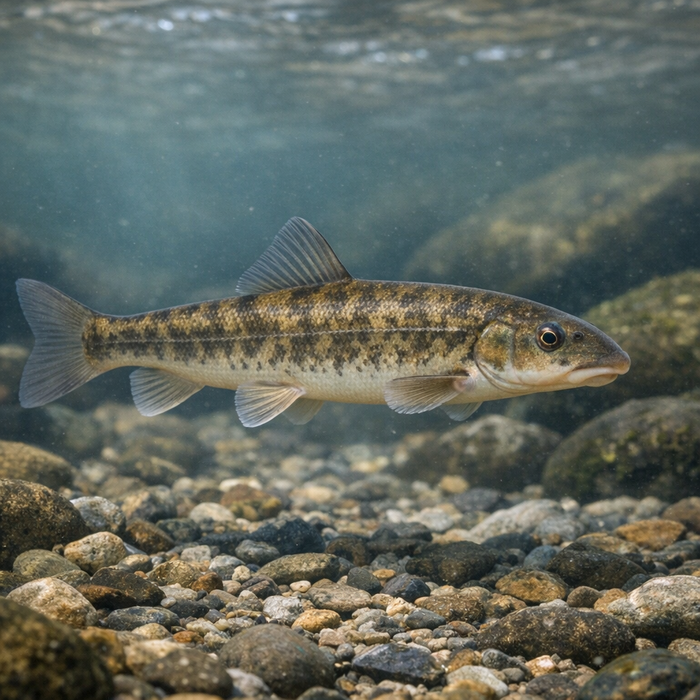
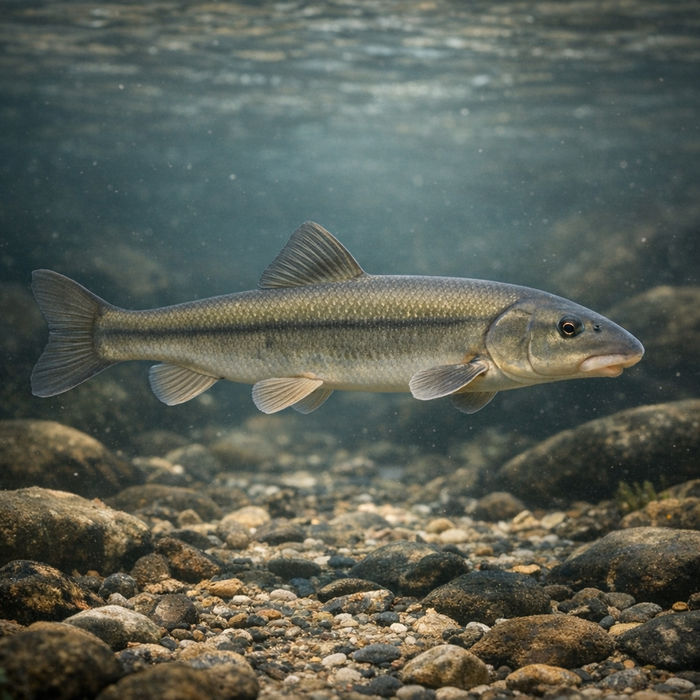
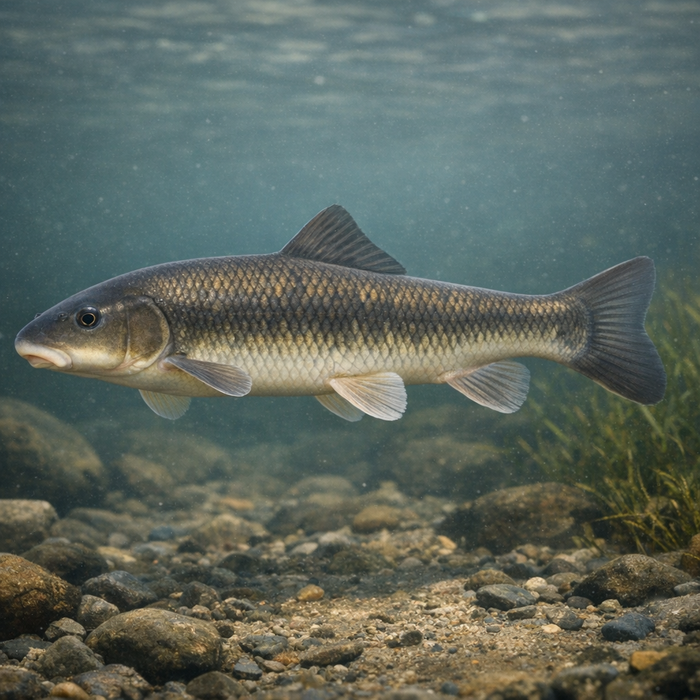
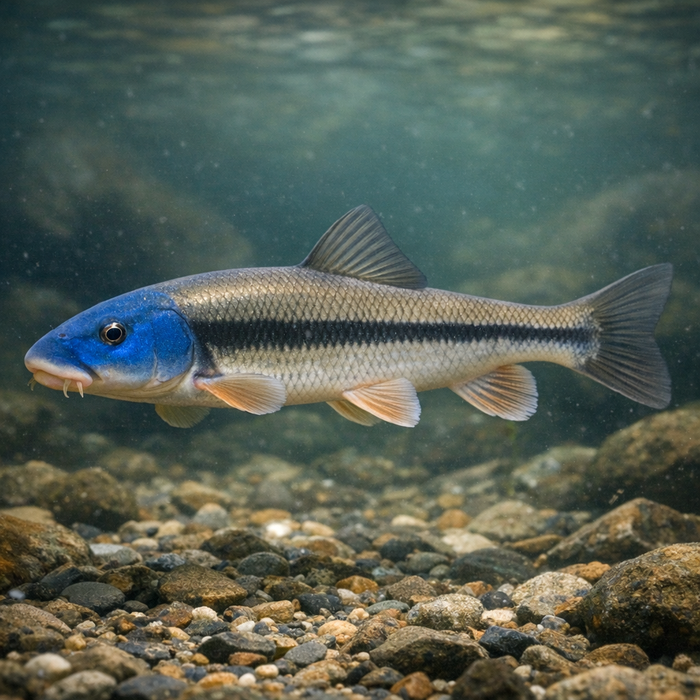
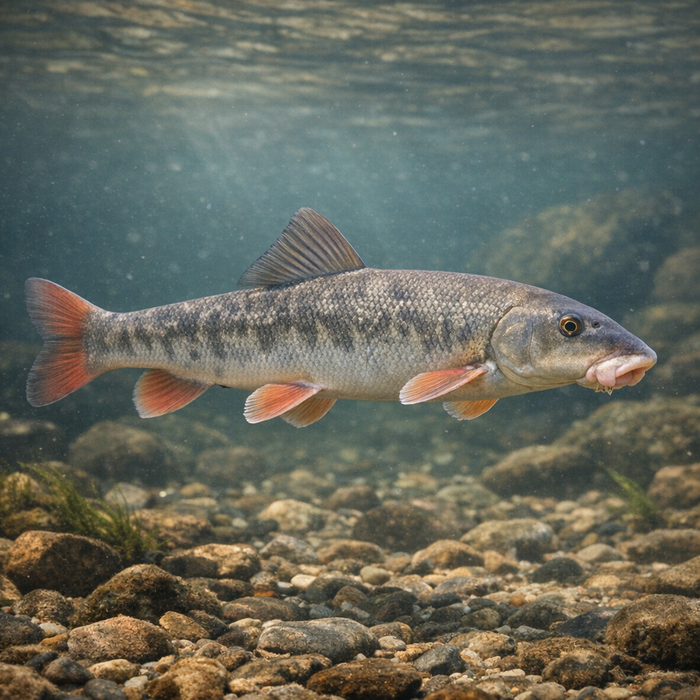
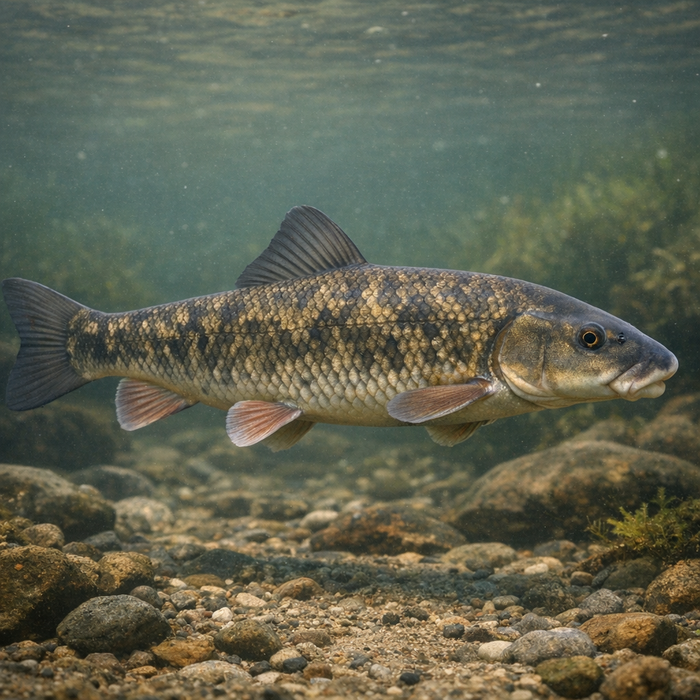
Utah Sucker (Catostomus ardens): Native vacuum with attitude and a face only gravel could loveIntroductionThe Utah sucker is the quiet tank of Western waters. While trout steal the headlines, this native bruiser hoovers riffles, bulks up in lakes, and shrugs off conditions that send pickier fish packing. If you want a fish that's common, gritty, and surprisingly rewarding on light tackle, the Utah sucker delivers. Consider this your crash course in Utah sucker facts and why this overlooked native deserves a little respect.What Makes the Utah sucker Unique?Start with the mouth. The Utah sucker's thick, rubbery lips are a precision-built vacuum, pulling nymphs, snails, and organic bits from between cobbles. Add pharyngeal teeth and it chews through crunchy caddis cases like gravel popcorn. Males toughen up in spring with sandpaper-like tubercles on the head and fins, then rev into upstream sprints to broadcast eggs and milt over clean gravel. They're not flashy predators, but the design is brutally effective: sift, grind, grow.Habitat & Global RangeUtah sucker habitat reads like a tour of the Intermountain West. You'll meet them in cool to moderately warm rivers with good current, especially cobble-bottom runs and deep pools. They also thrive in reservoirs and natural lakes connected to those rivers, cruising drop-offs and soft-bottom flats before piling into tributaries in spring. Expect them across the Bonneville Basin and nearby Western drainages, especially Utah and adjoining states. Clean gravel for spawning is the non-negotiable, but day to day they handle everything from mild turbidity to pushy flows. For quick reference and searchability, remember the phrase Utah sucker habitat: rocky rivers and mountain lakes.Behavior & TemperamentThey're bottom-focused foragers, not chasers, so the Utah sucker rarely explodes on lures. Instead, think deliberate. They graze in pods, slide up to riffles in low light, and drop to deeper, slower water when the sun climbs or temperatures swing. In lakes they winter deeper, then nose into warming inlets and tributaries as runoff begins. On hook and line, the fight is honest and steady with short bulldog runs, more diesel than turbo. Hook one on ultralight gear and you'll quickly realize why the Utah sucker anchors so many Western food webs.Ecological ImportanceThis species is a benthic janitor and nutrient recycler. By vacuuming and spitting gravel, Utah suckers energize invertebrate communities, clean microhabitats, and move nutrients between lakes and streams during seasonal migrations. They're key prey for big trout, walleye, bass, and birdlife, making them a literal backbone for sport fisheries that anglers love. Calling them rough fish misses the point. The Utah sucker powers the system that powers your favorite catches.Conservation & Environmental PressuresThe Utah sucker is generally stable where habitat remains intact, but it's not bulletproof. Dams flatten migratory pulses and disconnect lakes from spawning tributaries. Fine sediment smothers gravel beds. Prolonged low flows and bank trampling degrade riffles that juveniles need. Non-native predators can squeeze young suckers, especially when nursery habitat is lost. The good news: reconnecting tributaries, managing flows, and protecting spawning gravel pay immediate dividends for this species and everything that eats it.The FishyAF TakeThe Utah sucker is the Western everyman fish: humble, tough, and weirdly fun when you fish smart. It's not a numbers gimmie on artificials, but a bit of stealth and a well-placed worm or nymph will make your drag tick. You want a native that thrives in your backyard river, feeds eagles and trophy trout, and still asks you to earn it? That's the Utah sucker. Learn its timing, treat it like it matters, and your local water will fish better for everything else. That's the kind of Utah sucker facts worth remembering.