Wels Catfish (Silurus glanis): Europe’s Giant Shadow Beneath the Surface
The Wels Catfish is no ordinary freshwater fish. It’s a colossal predator that commands respect and curiosity wherever it lurks. Known for its impressive size and stealthy hunting tactics, this species has earned a reputation as one of Europe’s most formidable freshwater inhabitants. Whether you’re an angler chasing a trophy or a biologist studying aquatic giants, the Wels Catfish offers a fascinating glimpse into the power and mystery of freshwater ecosystems.
What Makes the Wels Catfish Unique?
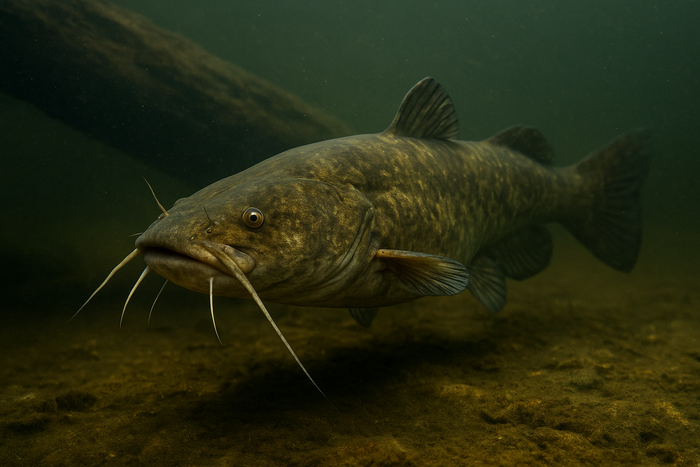
The Wels Catfish stands out for its sheer size and longevity. It can grow to lengths exceeding 9 feet and weigh over 200 pounds, making it one of the largest freshwater fish in Europe and Asia. But size isn’t the only thing that sets it apart. Its elongated, scaleless body is covered in smooth, slimy skin, and it sports a wide, flat head with a massive mouth lined with numerous small teeth. Those barbels—whisker-like sensory organs—are not just for show; they help the fish detect prey in murky waters.
Unlike many other catfish species, the Wels Catfish is a top-level predator with a diverse diet. It’s an opportunist, feeding on fish, amphibians, birds, and even small mammals when the chance arises. This adaptability in feeding behavior is one of the reasons it thrives in various environments. Its nocturnal hunting habits and ability to ambush prey make it a stealthy and efficient predator.
Habitat & Global Range
The Wels Catfish is native to a broad swath of Europe and parts of Western Asia. Its natural habitat includes large rivers, lakes, and reservoirs with slow-moving or still waters. It prefers deep, muddy bottoms where it can hide and wait for prey. Wels Catfish habitat often features submerged structures like fallen trees, rocks, and vegetation that provide cover.
This species has also been introduced to other regions, sometimes with unintended ecological consequences. Wherever it goes, the Wels Catfish tends to dominate its environment due to its size and predatory nature. Its ability to survive in a range of water temperatures and conditions adds to its widespread distribution.
Behavior & Temperament
Wels Catfish are solitary hunters, mostly active at night. During daylight, they tend to stay hidden in deep, sheltered areas. Their behavior is patient and calculated; they rely on ambush tactics rather than speed. When prey comes close, the Wels Catfish strikes with surprising speed and power.
Despite their intimidating size, these fish are not aggressive toward humans unless provoked. They are more likely to avoid confrontation. However, their territorial nature means they can be aggressive toward other fish, especially during spawning season when males guard nests fiercely.
Wels Catfish are known for their impressive endurance and ability to survive in low-oxygen environments, which gives them an edge in habitats where other predators might struggle.
Ecological Importance
As apex predators, Wels Catfish play a crucial role in maintaining the balance of their aquatic ecosystems. By controlling populations of smaller fish and other prey species, they help prevent overpopulation and maintain species diversity. Their presence influences the behavior and distribution of other fish, shaping the entire community structure.
Additionally, Wels Catfish contribute to nutrient cycling. When they feed on a variety of organisms, they help redistribute energy and nutrients throughout the water column and sediment. This ecological role supports the health and productivity of freshwater habitats.
Conservation & Environmental Pressures
Despite their robust nature, Wels Catfish face challenges from habitat degradation, pollution, and overfishing. River regulation, dam construction, and water pollution reduce the quality and availability of suitable habitats. Overfishing, particularly in areas where they are prized as sport fish, can impact local populations.
Introductions outside their native range have sometimes led to ecological imbalances, threatening native species and biodiversity. Conservation efforts focus on habitat protection, sustainable fishing practices, and monitoring populations to ensure this giant catfish remains a thriving part of freshwater ecosystems.
The FishyAF Take
The Wels Catfish is a freshwater titan that demands respect. It’s a master of stealth, a versatile predator, and an ecological heavyweight. For anglers, it’s the ultimate challenge; for ecologists, a key species in freshwater dynamics. Understanding Wels Catfish facts and habitat is essential not just for appreciating this giant but for protecting the ecosystems it dominates.
This fish isn’t just big; it’s a symbol of the wild, untamed power lurking beneath Europe’s waters. If you want to grasp what freshwater ecosystems are really about, the Wels Catfish is your starting point. Handle with care, study with curiosity, and never underestimate the shadow beneath the surface.